Today, with Lascaux IV, visitors can experience the sensation of entering the actual cave discovered in 1940
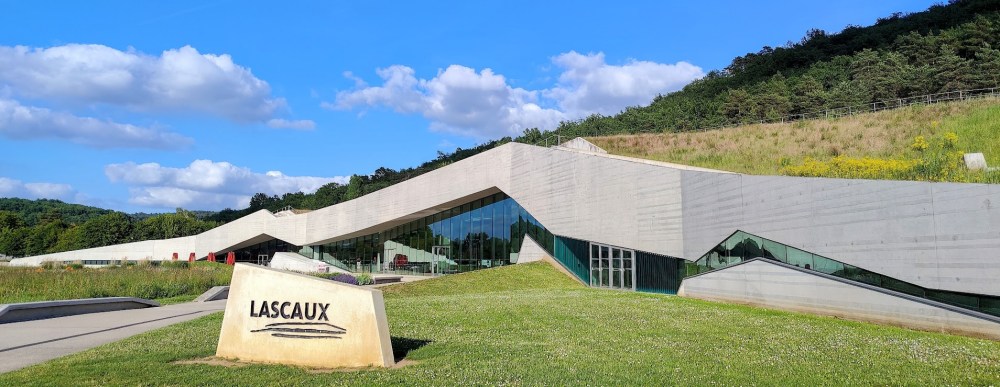
Having seen the original Lascaux, this replica absolutely astonishes me!
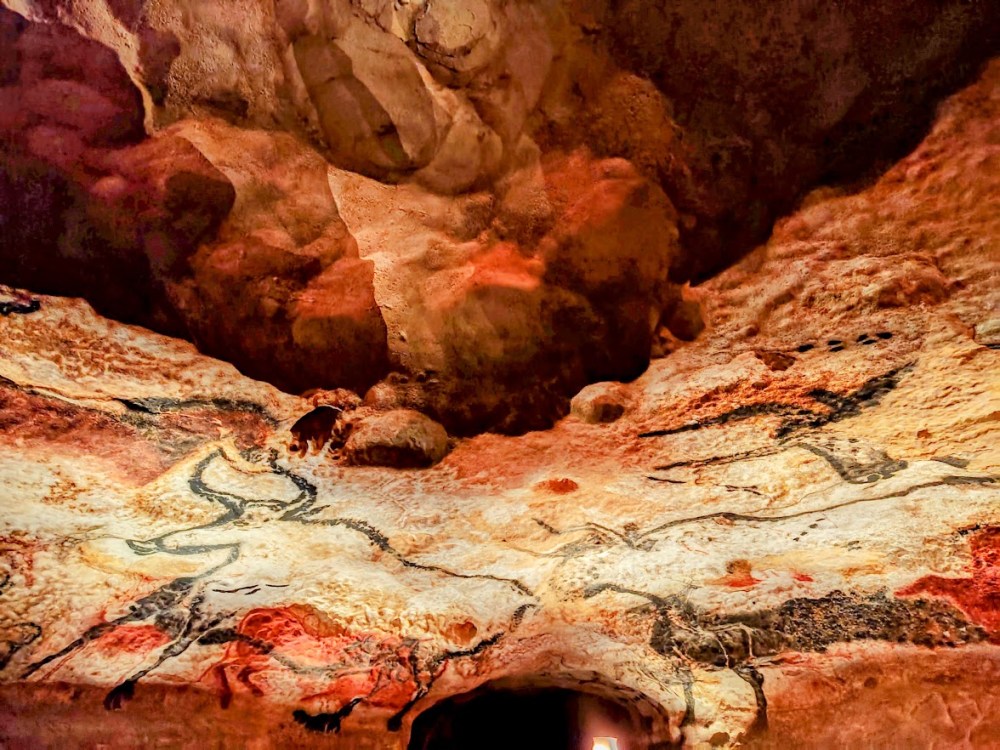
Lascaux IV is an extraordinarily realistic replica of a universal masterpiece. Every wall, every contour and every subtle variation in pigment has been reproduced with such astonishing realism that visitors feel as though they are actually entering the original cave. Lascaux IV is the first facsimile to reproduce the entire original cave. The harmonious sequence of spaces and contours has been recreated so faithfully that it evokes the animal forms painted more than 21,000 years ago, just 500 metres away. It is still astonishing to think that, in the Lascaux cave rediscovered in 1940, a thin layer of calcite helped preserve these remarkable works of art so exceptionally well, right up to the present day!
Lascaux IV celebrates its tenth anniversary
We owe this remarkable achievement – the International Centre for Cave Art – to Norwegian architect Kjetil Trædal Thorsen*. It houses the most faithful reproduction of the original cave, situated just a short distance away. Look at how this 21st-century architectural masterpiece creates a horizontal incision in the landscape, with woodland on one side and fields and the Vézère valley on the other.
At Lascaux IV, visitors are offered an intimate, sensory journey through time, surrounded by the dim lighting and atmosphere of the beautifully recreated cave. In 2026, Lascaux IV celebrates its tenth anniversary. And what a success it has been! Around 400,000 visitors come every year.
There is only one word to describe the experience: wonder! The wonder of discovering Palaeolithic art in an environment that recreates its original surroundings; the very art that transformed the vision of some of the great artists of the twentieth century, including Picasso, Miró, Klee, Kandinsky and Soulages. Yes, Lascaux is a repository of our shared humanity.
Kjetil Trædal Thorsen is the co-founder of the Norwegian architectural practice Snøhetta. The firm worked on the entrance pavilion of the International Centre for Cave Art at Lascaux IV. Snøhetta is internationally renowned for landmark projects including the Oslo Opera House, the Bibliotheca Alexandrina and the 9/11 Memorial in New York.
The Hall of the Bulls at Lascaux IV
1. My descent into the original cave with Jacques Marsal, one of the discoverers of Lascaux
My first overwhelming encounter with the original Lascaux took place in 1977. I was extraordinarily fortunate to visit the cave, which had already been closed to the public since 1963, accompanied by one of its four discoverers (also known as its ‘inventors’). It was undoubtedly one of the most astonishing discoveries of the twentieth century! We had arranged to meet Jacques Marsal, another local boy from Montignac, like Marcel Ravidat. My friend Pierre-Dominique Parent* accompanied me. There were just the two of us.
His father, Michel Parent, was successively appointed Inspector of Sites in Périgueux in 1941 and 1945, Inspector General of Sites in 1958, and Inspector General of French Historic Monuments in 1969. We owed this very exceptional privilege to him. It was through his influence that we were allowed into the cave, accompanied by one of its four discoverers, Jacques Marsal.
Meeting at the entrance to the cave
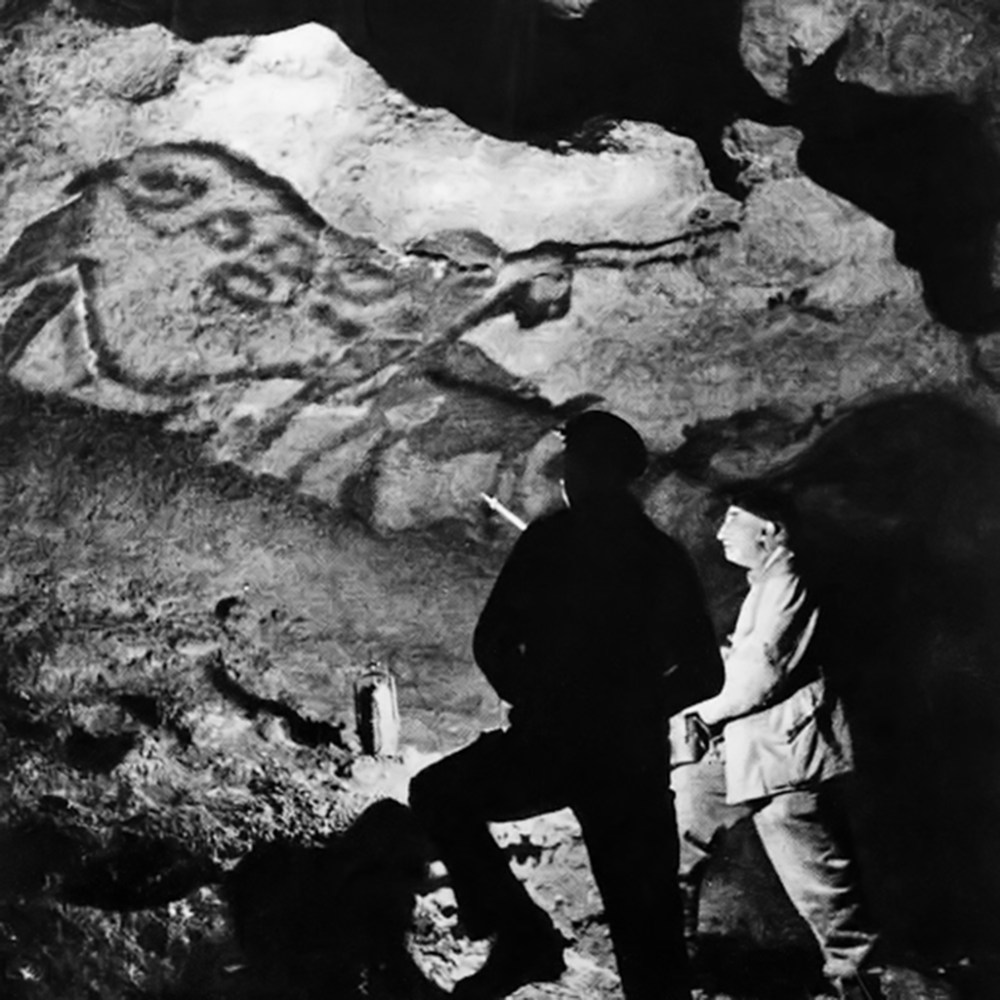
In the summer of 1977, we had set off to explore the Périgord region by bicycle. On this very special morning, we left Périgueux early enough to arrive punctually at the entrance to the site, which was closed to the public. And there he was: Jacques Marsal*, a young man in his early fifties, 37 years after being one of the first people to enter the Lascaux cave. He had been just 15 years old at the time. After a few words about his discovery, a story he had undoubtedly repeated countless times, the door was opened in a deeply moving moment. We passed through the hygiene airlock and, armed with nothing more than a simple torch, began an unforgettable journey into this extraordinary world of prehistoric animals. At first, our eyes had to adjust to the darkness. Gradually, we began to make out the scenery of lines and colours emerging intermittently from the depths of prehistory.
Jacques Marsal became Lascaux’s official guide when the cave opened to the public in 1948. He continued in this role for around fifteen years, until its closure in 1963 to protect it from deterioration caused by carbon dioxide. From 1964 to 1989, he remained employed as a technical officer for the Historic Monuments service, acting as caretaker of the site. Over time, he became known as ‘Monsieur Lascaux’. He died in 1989, aged 63. He was a friend of Joséphine Baker.
The extraordinary sight of enormous aurochs towering above the herds
An entire world seemed to appear before us as if by magic, its enormous figures magnified in the semi-darkness by the beam of light projected by Jacques’s torch. He seemed to play the role of a shaman, making the animals come alive: the horses, bison, aurochs and deer. Yes, on that particular morning, we could almost have sworn that they were moving before our very eyes. How could anyone fail to be overwhelmed by the Hall of the Bulls? Under the uncertain beam of light, enormous aurochs emerged, towering above herds of dozens of animals. Did they not seem to overlap one another, galloping and gambolling together in perfect harmony?
The Great Black Bull: a monumental masterpiece of the cave
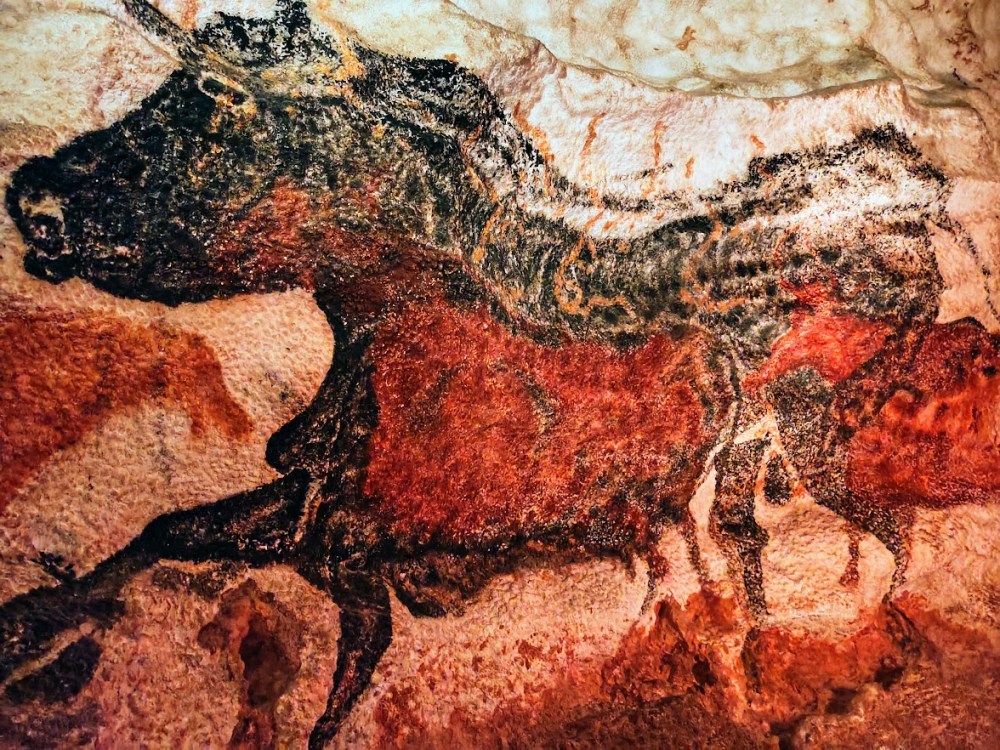
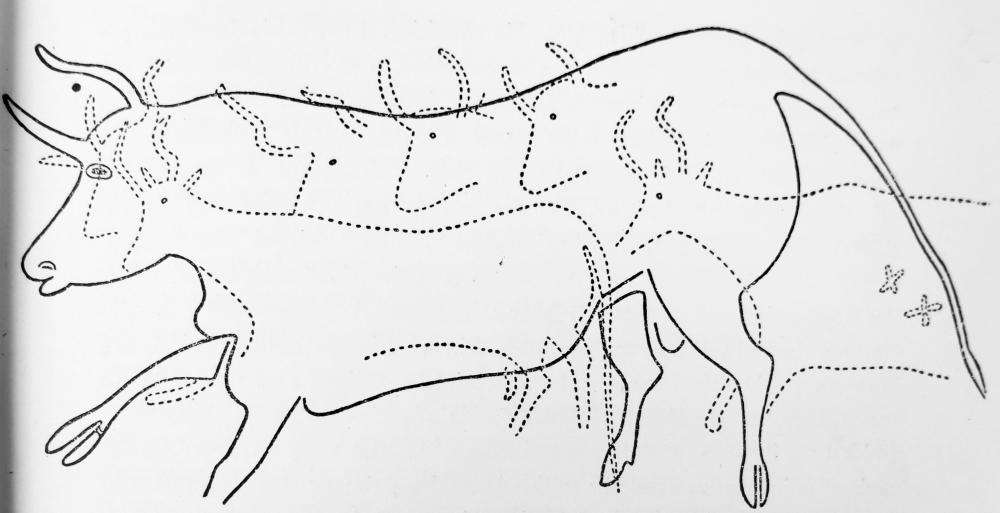
Close-up of one of the aurochs at Lascaux
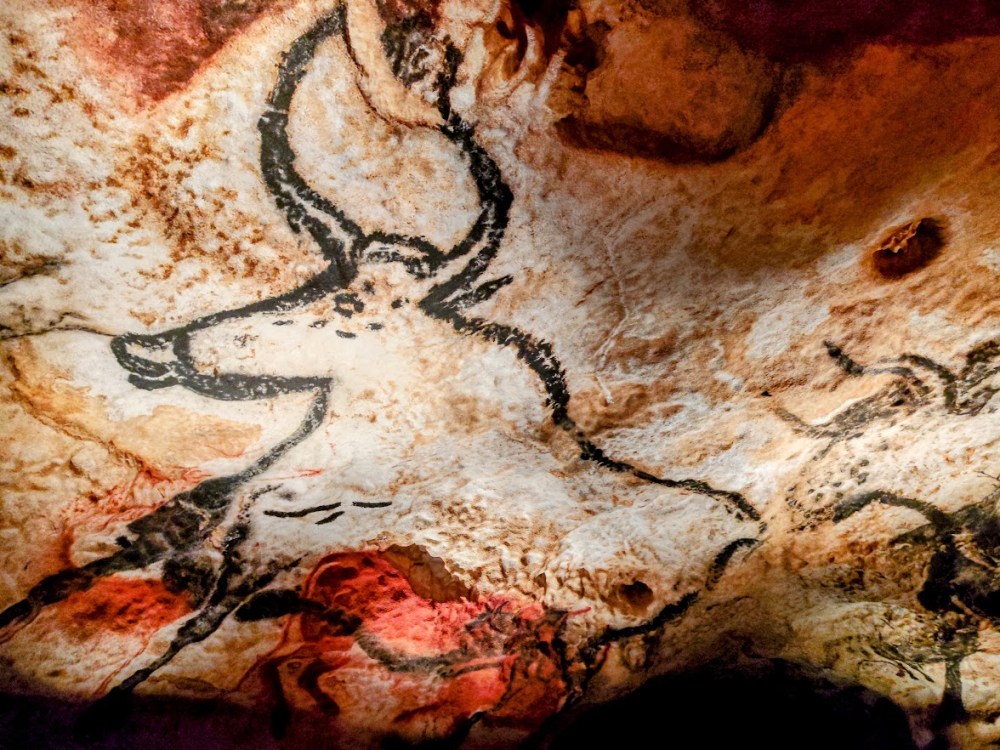
The Upside-Down Horse
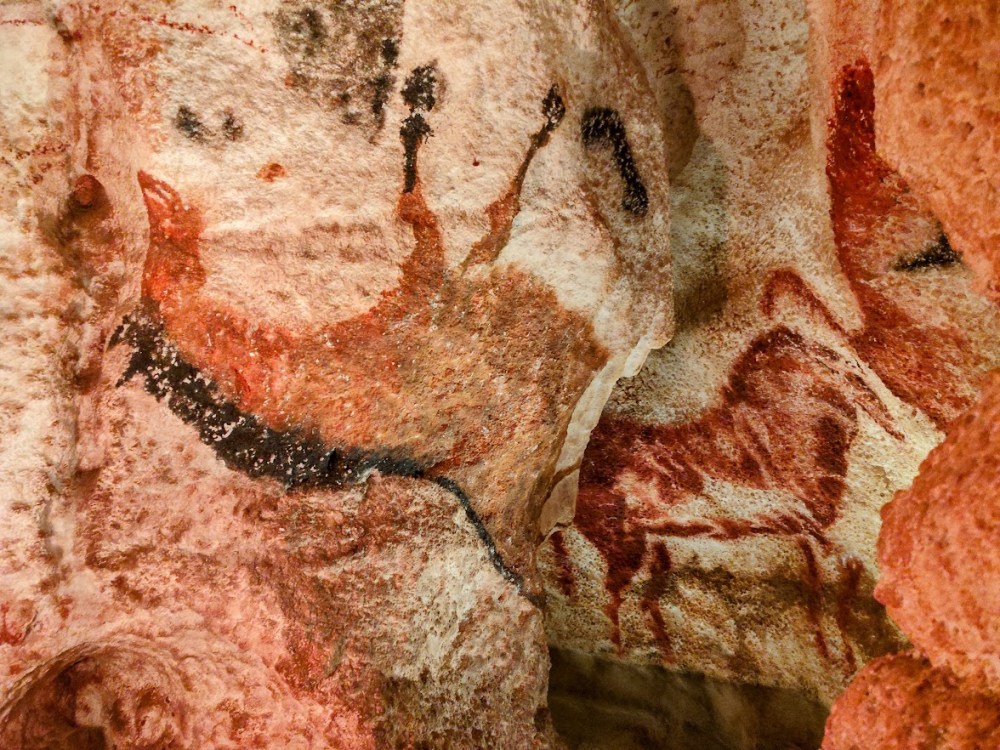
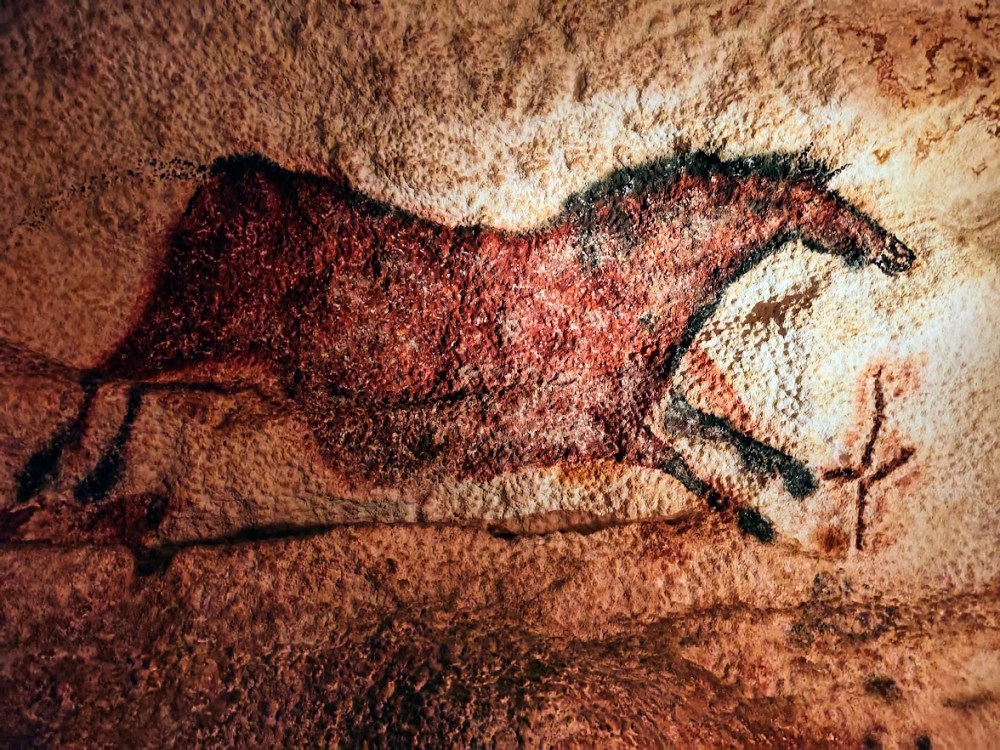
The Great Red and Black Horse
After our visit, the cave needed 48 hours to recover its atmosphere
How long did we remain spellbound by this extraordinary spectacle? Jacques eventually brought us back to reality. Forty-five minutes? Perhaps an hour inside? Almost certainly far too long, before the cave could regain its natural equilibrium. He explained that it took 48 hours for the cave to recover its cool, dark, silent and stable atmosphere. It is a muffled silence, created by the limestone walls absorbing sound*. Everything here is also extremely sensitive to changes in temperature and humidity. The environmental crises of 1963 and 2001 demonstrated how even the slightest imbalance could cause rapid deterioration. Furthermore, Lascaux is an extremely humid environment, with humidity levels close to saturation.
*This atmosphere has been recreated at Lascaux IV to give visitors an authentic impression of the original cave.
In 1963, André Malraux closes the cave to the public
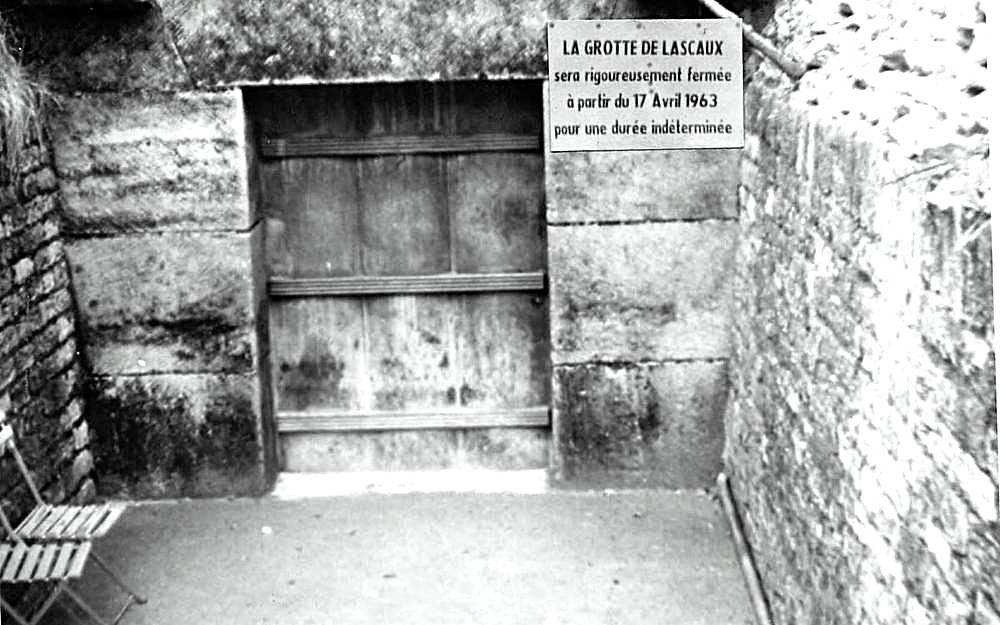
In 1963, André Malraux, then Minister of Cultural Affairs, ordered the closure of Lascaux.
It was almost too late. From the moment the cave opened to the public in 1948, nothing could counteract the effects of the breathing of 1,200 daily visitors, which generated carbon dioxide and humidity. Serious consequences followed, including the appearance of green algae in 1955 and white mould in 1960.
Lascaux Cave: a weapons hideout, according to André Malraux!
It is curious to imagine that André Malraux, who joined the Resistance under the pseudonym Colonel Berger in early 1944, could claim that members of the French Resistance had hidden weapons inside the Lascaux cave. He recounts this rather dramatically in his Antimémoires, published in 1967. He claims to have seen machine guns mounted on tripods in the Hall of the Bulls, together with piles of bazookas at the bottom of the Shaft.
2. The incredible adventure of the children of Lascaux
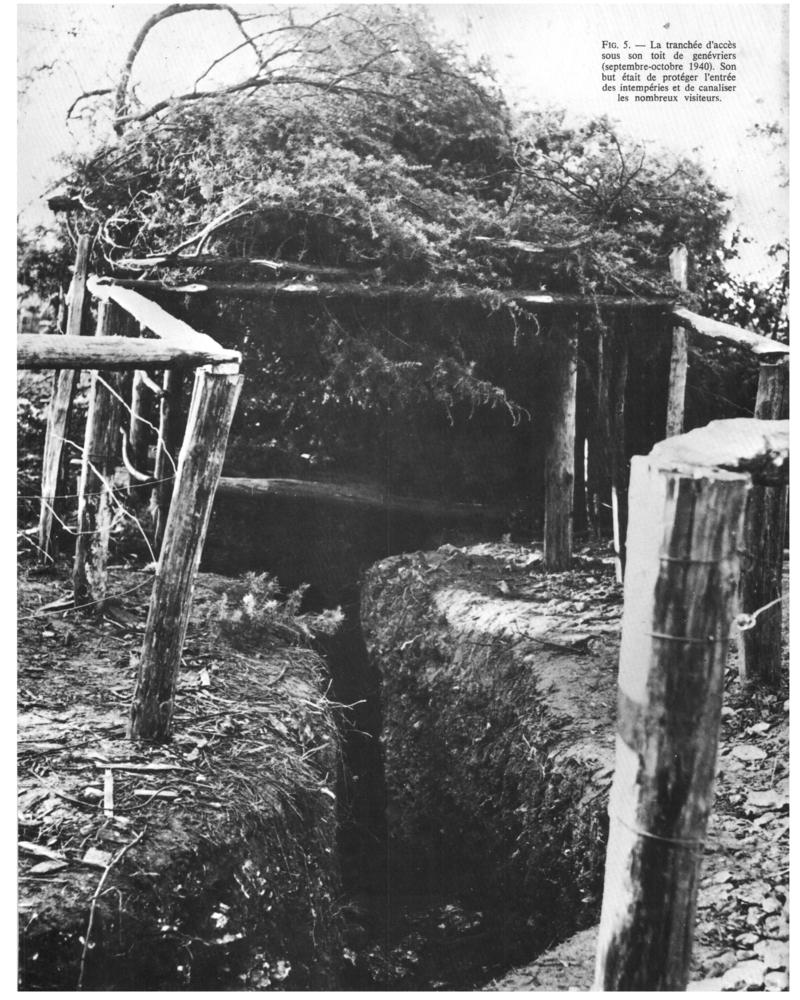
There were four of them, accompanied by their inseparable dog, Robot, during the late summer of 1940. Four teenagers, barely adventurers at all. Marcel Ravidat was the bold and sturdy one. He was 18 years old and an apprentice mechanic. His nickname was ‘The Convict’ (Le Bagnard). He became the leader of the group and later joined the French Resistance after entering the maquis, the rural guerrilla movement known as the FTP (Francs-tireurs et partisans), which was communist in orientation. He would become known as Jacquou le Croquant. He continued fighting in Germany until the end of the war. On his return, he took part in the work at the cave and became one of its guides. When the cave eventually closed, he found himself unemployed and returned to his trade as a builder. Many people regard him as the true discoverer of Lascaux*. After all, had he not been the first to notice the curious opening, which he already knew about? It had appeared following the fall of a tree on land belonging to the Rochefoucauld-Montbel family. His dog Robot, chasing a rabbit, disappeared into it. Presumably trying to find the dog, Marcel discovered a second opening. It was approximately 20 centimetres in diameter. As a precaution, he dropped a stone into it. It rolled for quite some time, indicating that the hole was very deep. There was no doubt about it: something was down there! He suspected that the opening led into a large underground chamber. Since it was only 500 metres from Lascaux Castle, he thought it might be the exit of an underground passage. To find out, he took the risk of squeezing himself inside. He struggled forward until he reached a large chamber, immediately recognising its importance, despite having nothing more than a matchbox to provide light.
*The name Lascaux (also written ‘Las Coutz’ or ‘La Coux’) is a feminine noun derived from the Old Occitan words ‘cous’ or ‘cos’, meaning a stony place.
Marcel Ravidat, the leader, rounds up his friend
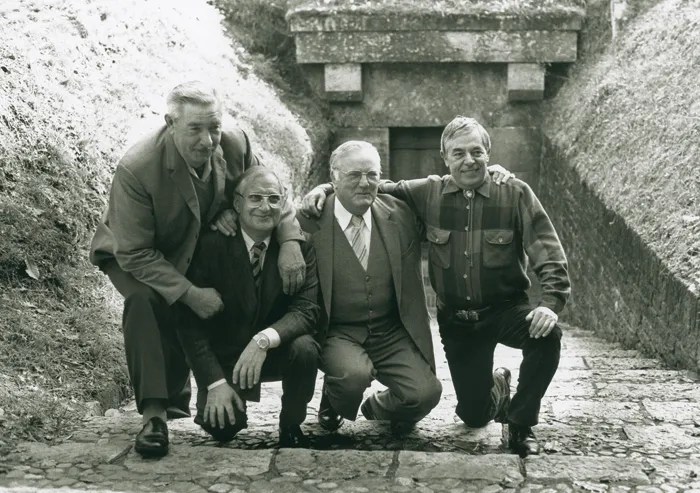
When he returned, Marcel gathered together the friends he encountered. First there was Jacques Marsal, also from Montignac, who was 15. Later, Jacques would refuse compulsory labour service in Germany (STO) and be imprisoned. Then there was Georges Agniel, a slight, fair-haired 17-year-old from the Paris region who was spending his holidays with his grandmother. He would return home fifteen days later for the start of the school year. A resourceful young man, he knew how to make sure he was recognised as having a stake in the commercial exploitation of the cave. In 1991, he was awarded the National Order of Merit.
And finally, there was the youngest of them all, 13-year-old Simon Coencas. He was a refugee who had arrived in the area by chance during the mass exodus of 1940. He was Jewish. His family would be rounded up, deported and murdered at Auschwitz. Being too young, Simon escaped deportation along with his sister. He too was awarded the National Order of Merit and made an Officer of the Order of Arts and Letters in 2011. He was the last surviving member of the four discoverers and died in 2020. The discovery marked his entire life. He once said: “I had the shape of the cave in my head… even today, I could almost draw it.” He was present at the inauguration of Lascaux IV. So overwhelmed was he that he could only say one thing: “I’m there.”
Their only equipment: a knife, a Pigeon lamp and a homemade oil lamp
These four boys were the first people in approximately 21,000 years – since the Magdalenian period of the Upper Palaeolithic – to squeeze through the opening leading into the cave. Initially, it was nothing more than an ordinary treasure hunt. And what a treasure awaited them! An astonishing sight lay before their eyes*. Inside the 540-square-metre Lascaux cave, they explored its entire length by the flickering light of a borrowed Pigeon lamp and a makeshift oil lamp. Fortunately, Lascaux is relatively small, with just 250 metres of galleries and a vertical difference of 30 metres.That day, the four boys managed to glimpse some of the 680 painted figures and no fewer than 1,500 engravings that are now part of UNESCO’s World Heritage.These were the children who, in Montignac in the Périgord, would be the first to open the doors of this prehistoric Sistine Chapel to the world.
*”What a surprise it was to see an immense cavalcade of fantastic animals covering the rock walls!” they later told their schoolteacher, Léon Laval. Abbé Marquay, the parish priest of Montignac, recalled in January 1946: “I can still see them, returning triumphantly to Montignac at the end of their wonderful and lengthy adventure, telling everyone about their achievement and approaching their former teacher Laval in Place Rafarin, where I was talking with him.”
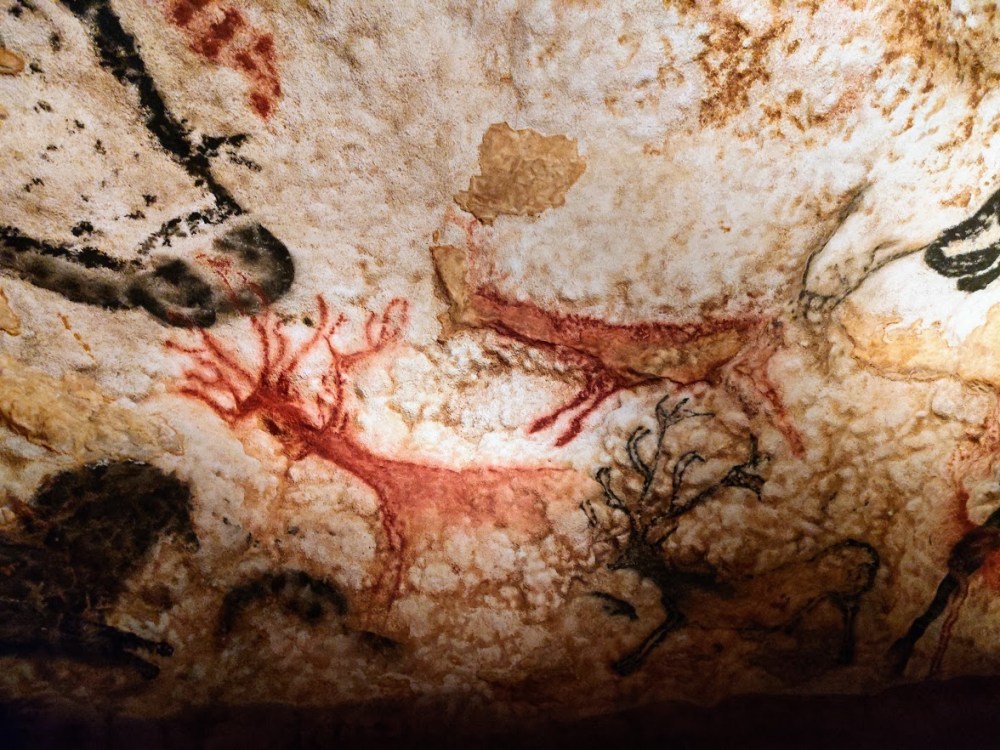
The Black Stag
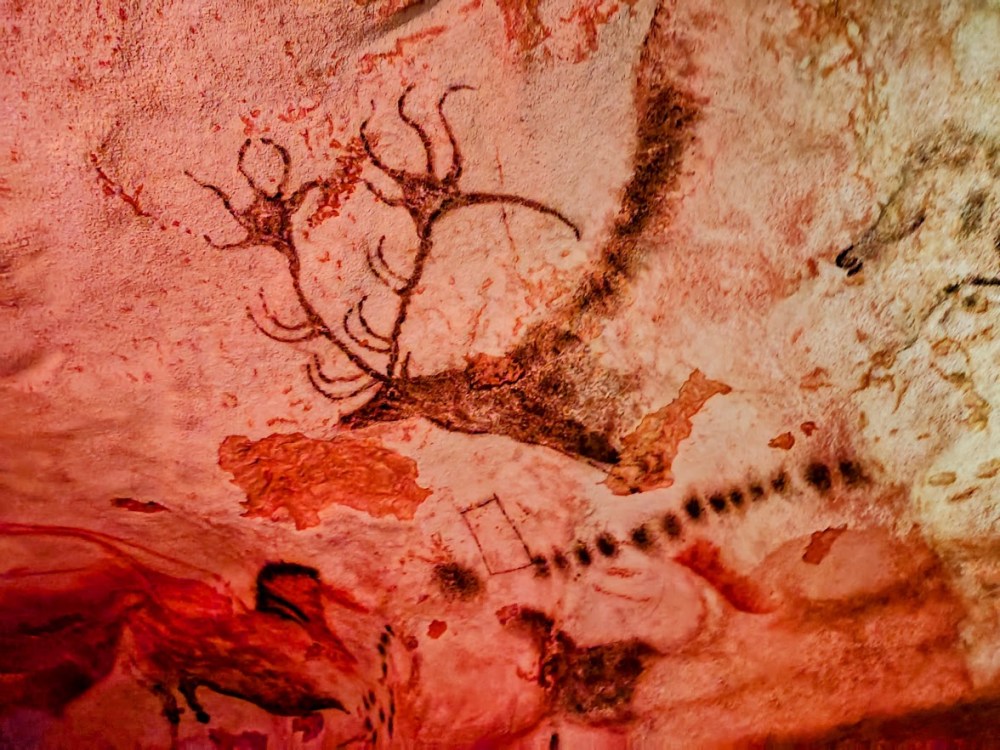
The Frieze of the Little Stags
Were they really the first?
The same Abbé Marquay, parish priest of Montignac, also related an old local legend: “One of my parishioners, Monsieur Antoine Dezon, faithfully recorded memories passed down to him by his grandmother, who had known survivors of the French Revolution during her youth. Among other details, she claimed that during the Reign of Terror, Abbé Labrousse had hidden in the Lascaux cave.” Lascaux Castle and its estate belonged to the family of Abbé Labrousse. This story is recorded in the book by Brigitte and Gilles Delluc, “Lascaux: The First Ten Years Through the Eyes of Witnesses’, published in Gallia Préhistoire, Supplement 12, 1979, under the title ‘Unknown Lascaux.”
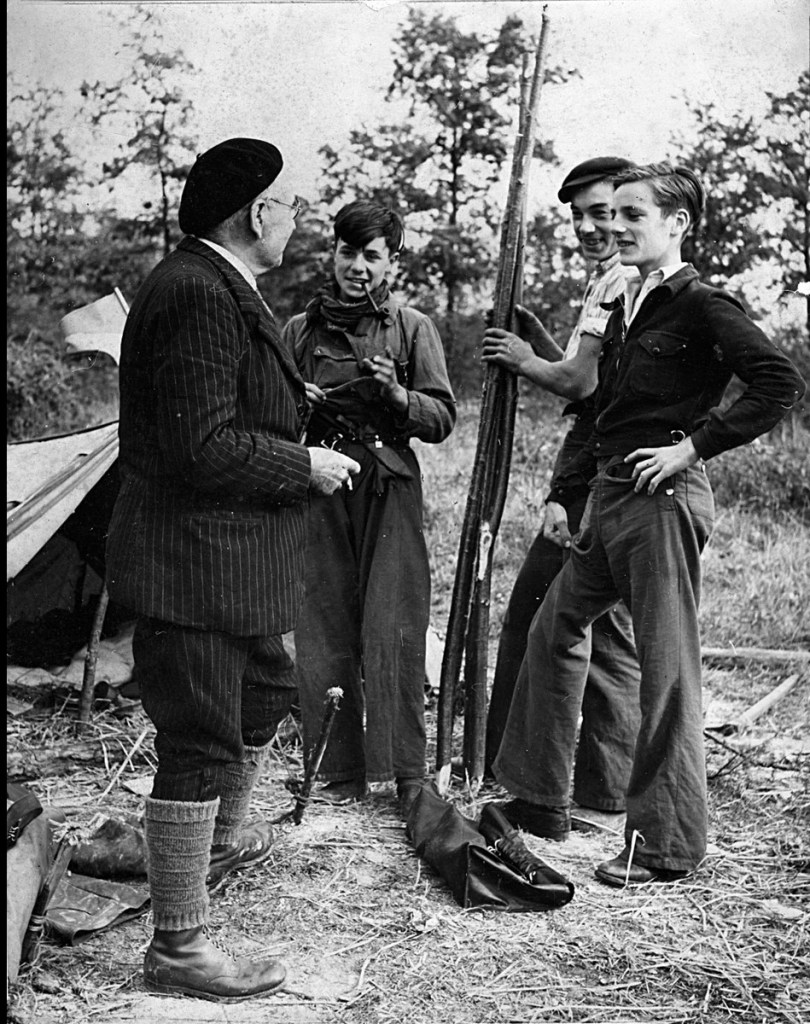
Photograph: DR.
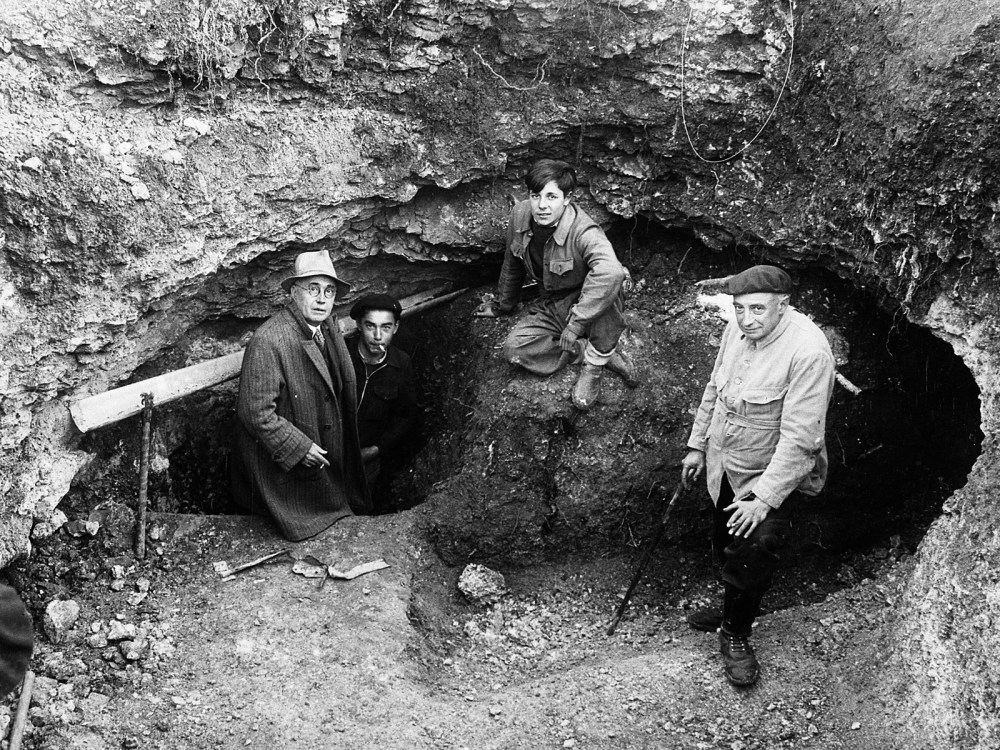
From left to right: Léon Laval (the schoolteacher), Marcel Ravidat and Jacques Marsal (two of the four teenagers who discovered the cave). On the right is Abbé Henri Breuil, the prehistorian who authenticated the discovery. Léon Laval was the former schoolteacher of Montignac. A highly learned man, he also played an essential role in the discovery. He entered the cave for the first time on 17 September. He became the keeper of the key to the cave and its first curator.
Photograph: DR.
A secret that did not remain secret for long: first the schoolteacher Léon Laval, then the Pope of Prehistory, Abbé Henri Breuil
The four boys had now finished exploring the cave. Perhaps they hoped to keep their discovery secret for a few days. But word soon spread. Visitors began arriving in increasing numbers. Marcel Ravidat and Jacques Marsal now had another concern: making some money from their discovery.
The entrance fee was set at two francs per person per visit, equivalent to around 30 euro cents.
By the following summer, a small refreshment stall had even been set up at the entrance to the cave. Eventually, the former schoolteacher, Léon Laval, was informed. At first, he was suspicious.
He struggled down into the cave, as the opening had not yet been properly cleared. But he quickly understood the extraordinary importance of the discovery.
His next task was to alert the ‘Pope of Prehistory’, Abbé Henri Breuil, who was then living as a refugee in the region, in the unoccupied zone of France. It was 1940, just a few months after the armistice.
3. Experts come to the rescue: “It’s almost too beautiful to be true”, exclaimed Abbé Henri Breuil
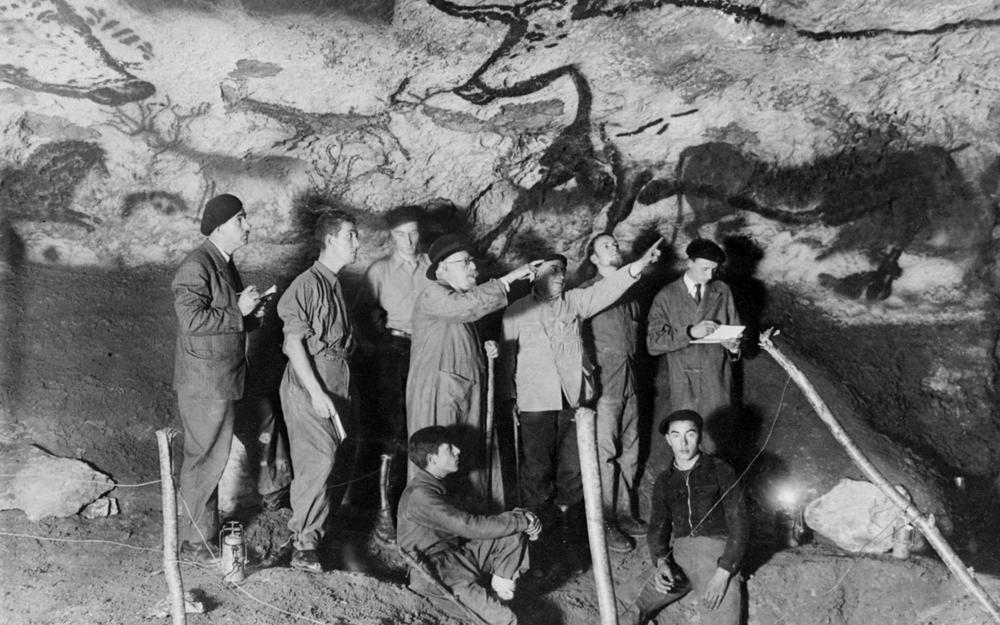
Abbé Breuil arrived at the site on either 20 or 22 September. This distinguished specialist in prehistory was tremendously enthusiastic. “It’s almost too beautiful to be true!” he exclaimed.
He quickly announced the existence of this new ‘Sistine Chapel’ to the world. He was the first to authenticate Lascaux and provide an initial description of the cave. He began making drawings and records towards the end of 1940 and spent several weeks at the site studying the works, which he attributed to the Périgordian period. In fact, two more recent analyses have dated the cave to around 21,000 BC, at the transition between the Upper Solutrean and the Badegoulian, two periods of the Upper Palaeolithic. Shortly afterwards, the cave was officially listed as a Historic Monument. It opened to the public in 1948.
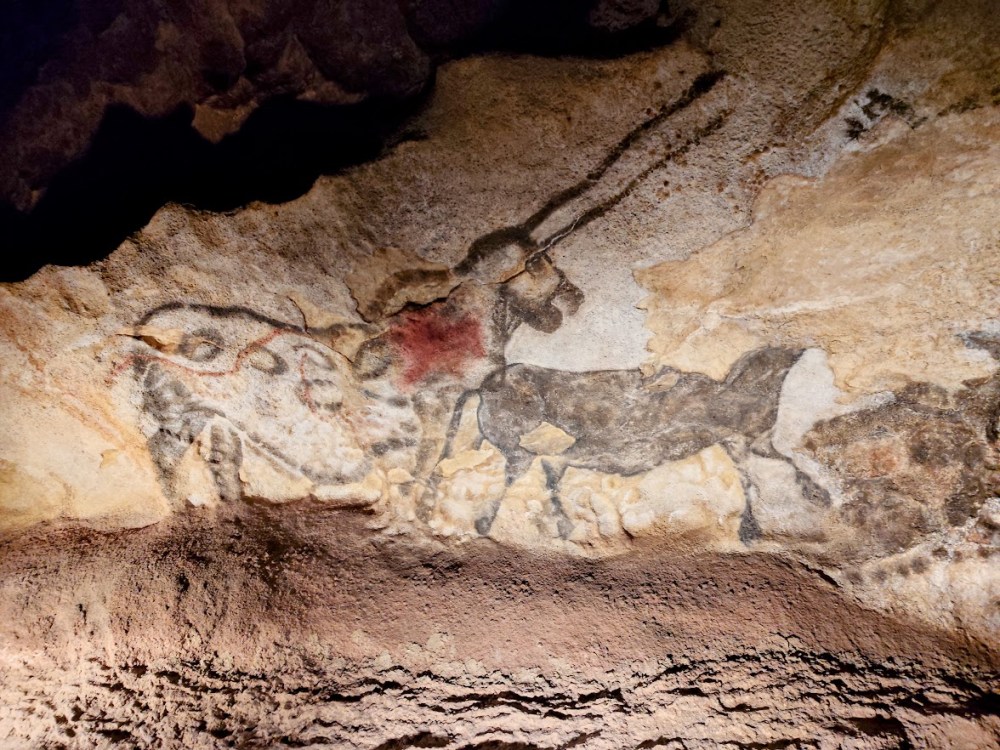
One of Lascaux’s most iconic paintings: “The Unicorn”
The “Unicorn” panel reproduced at Lascaux II (Hall of the Bulls)
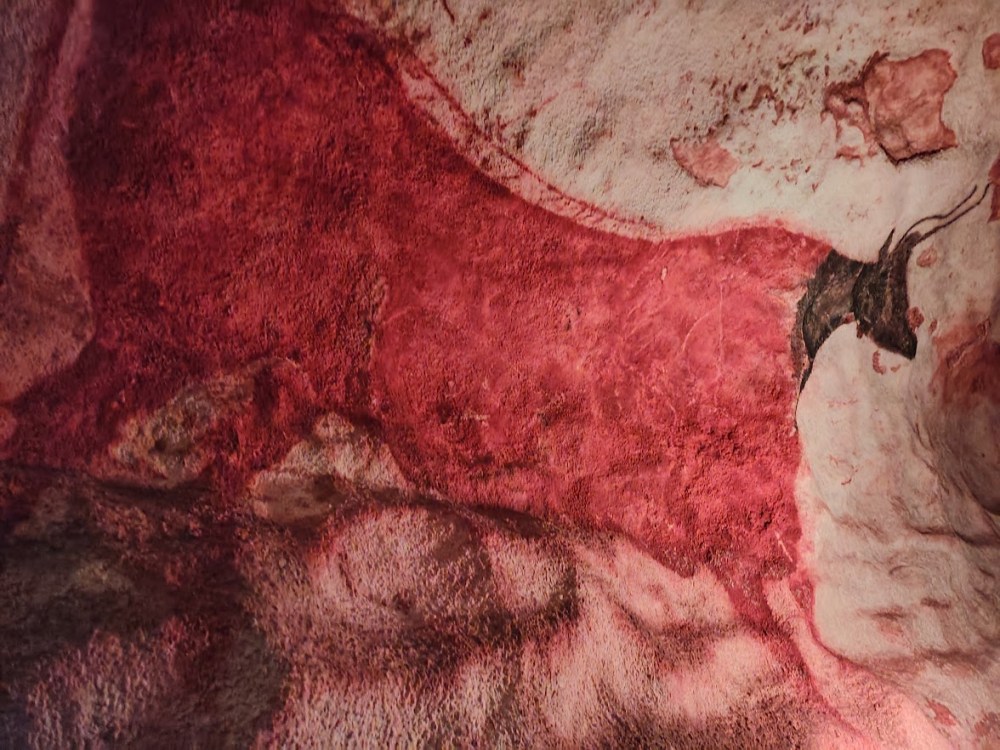
Red cow with a black head
Plan of Lascaux Cave (Encyclopaedia Universalis)
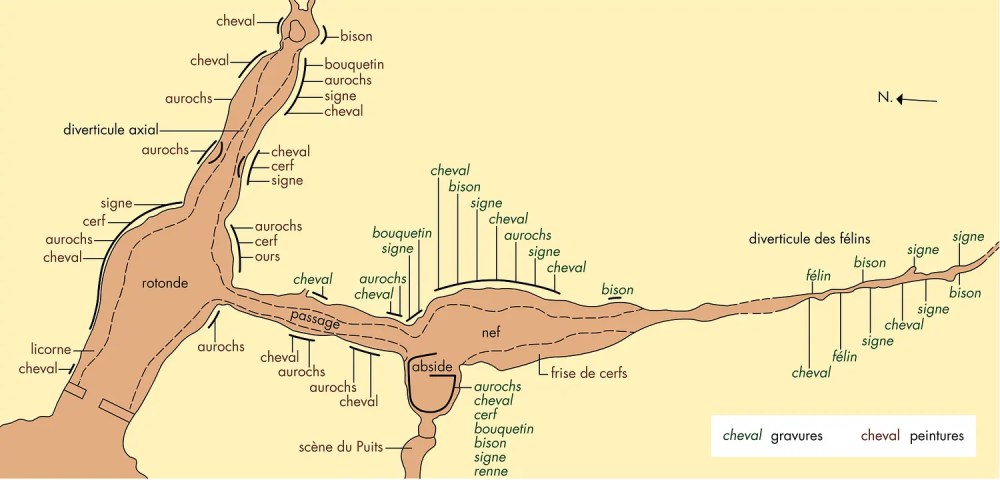
How do you find your way around Lascaux Cave?
Lascaux Cave is relatively small. Its network of galleries extends no more than 250 metres, with a vertical difference of 30 metres. The decorated section occupies the upper part of the cave. The cave was divided into different areas, named by Abbé Breuil. It is therefore organised into seven decorated sections: The Hall of the Bulls, The Axial Gallery, The Passage, The Nave, The Chamber of the Felines, The Apse, The Shaft.
4. A cave now in a remarkable state of preservation
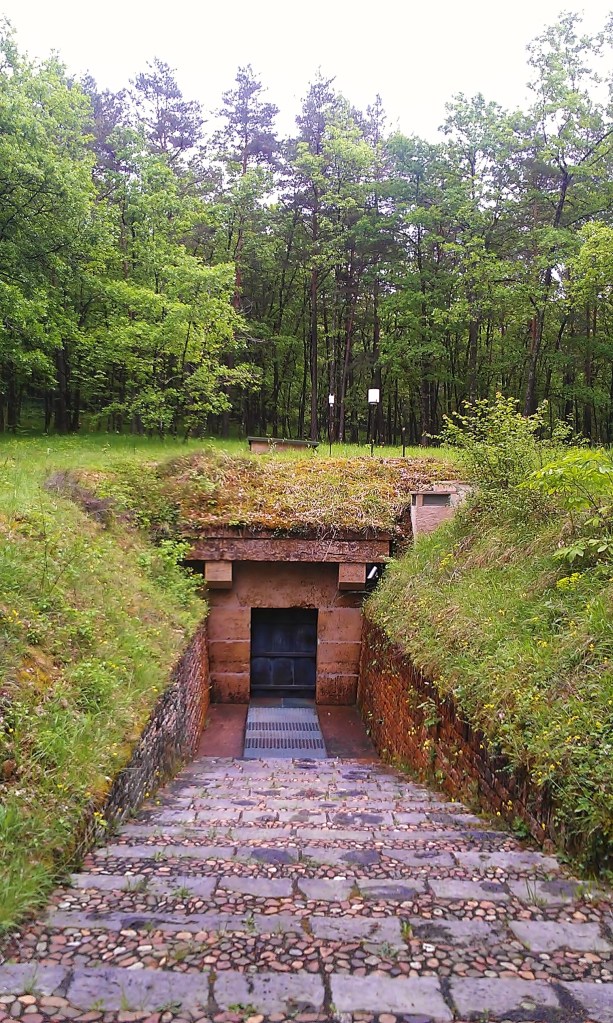
Although Lascaux Cave has now reached a relatively stable state of preservation, it remains extremely fragile.The decision to protect the entire Lascaux hillside, taken in agreement with the local council of Montignac and the Dordogne Departmental Council, has done much to maintain this stability. There are now no cars in the immediate vicinity.’* “The environment is humid, but it is also extremely fragile and highly sensitive to human presence. Every hour, humidity levels, carbon dioxide, atmospheric pressure and the temperatures of both the rock and the air are recorded and monitored. Temperature is measured to within one hundredth of a degree” explains Sandrine Géraud, a research technician with the Regional Directorate of Cultural Affairs (DRAC) of Nouvelle-Aquitaine. She is particularly active in the conservation and restoration of prehistoric heritage.
One of the very few people allowed to descend into the cave
Every time Sandrine Géraud enters the cave, she is dazzled by what she sees. She is particularly impressed by the colours in the Hall of the Bulls. She describes them as follows: “It’s as though they were painted yesterday. The black is charcoal black, the red is blood red, and the yellow is the colour of sunshine.”The bulls, measuring between five and six metres in length, dominate the entire chamber. “There is something magical about it, but also a tremendous feeling of humility.”
5. From the original Lascaux to Lascaux IV
Lascaux IV is the first complete facsimile of the original cave. It forms the centrepiece of the International Centre for Cave Art, which opened in 2016 in Montignac, Dordogne. But what happened during the 53 years following the closure of the original cave to the public in 1963? And how could visitors continue to discover Lascaux without putting the original at risk? The original cave is now listed as a UNESCO World Heritage Site. It was at this point that the idea of creating a facsimile was born. The original cave could then be left in peace, living its secluded existence as a scientific laboratory devoted to the study and conservation of decorated caves.
Lascaux in three different versions
For visitors, there were then Lascaux II, Lascaux III* and finally Lascaux IV, inaugurated in 2016, ten years ago. So what is the difference between Lascaux II and Lascaux IV? Lascaux II is a partial reproduction, concentrating on two of the cave’s most famous galleries. Lascaux IV, on the other hand, offers a complete reproduction of the entire cave.
*Since 2012, Lascaux III has been the travelling facsimile, taking knowledge of Lascaux around the world. Part of the cave has been recreated through a unique collection of five exact reproductions of the Nave and the Shaft.This exhibition presents Lascaux in all its complexity: anthropological, ethnological and aesthetic.
In 1983, the first facsimile: Lascaux II
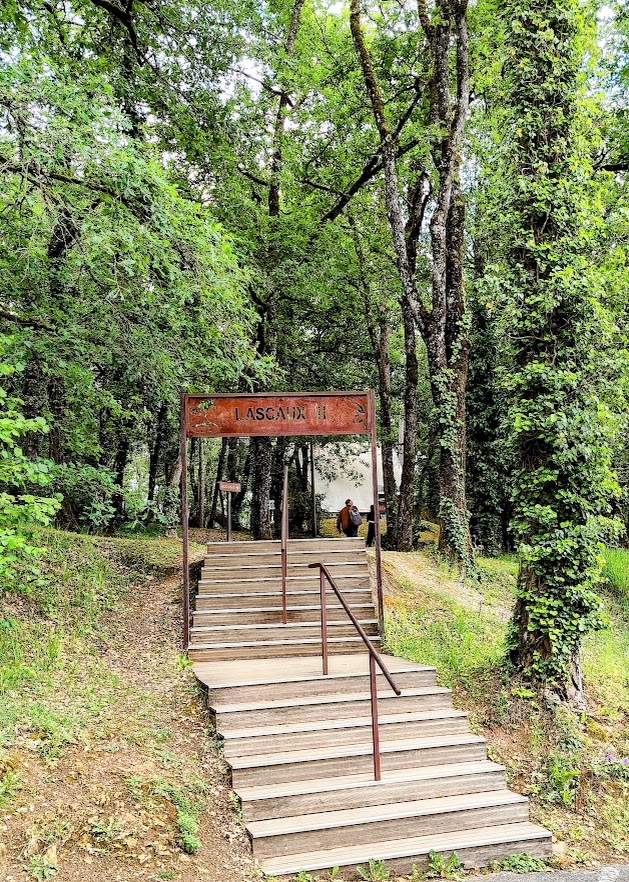
Lascaux II: a project led by artist Monique Peytral under the scientific direction of prehistorian André Leroi-Gourhan
When the cave became threatened by the huge numbers of visitors arriving after its opening in 1948, it became necessary to close it fifteen years later to protect it. The idea of creating a facsimile was born. The aim was to produce a reproduction as faithful as possible, capturing the emotion and artistic power of the original works. The project was led by the artist Monique Peytral, who undertook an enormous task alongside sculptors Bernard Augst and Pierre Weber. The work was carried out under the scientific direction of leading prehistorians, including Professor André Leroi-Gourhan, one of the most important figures in prehistoric research.
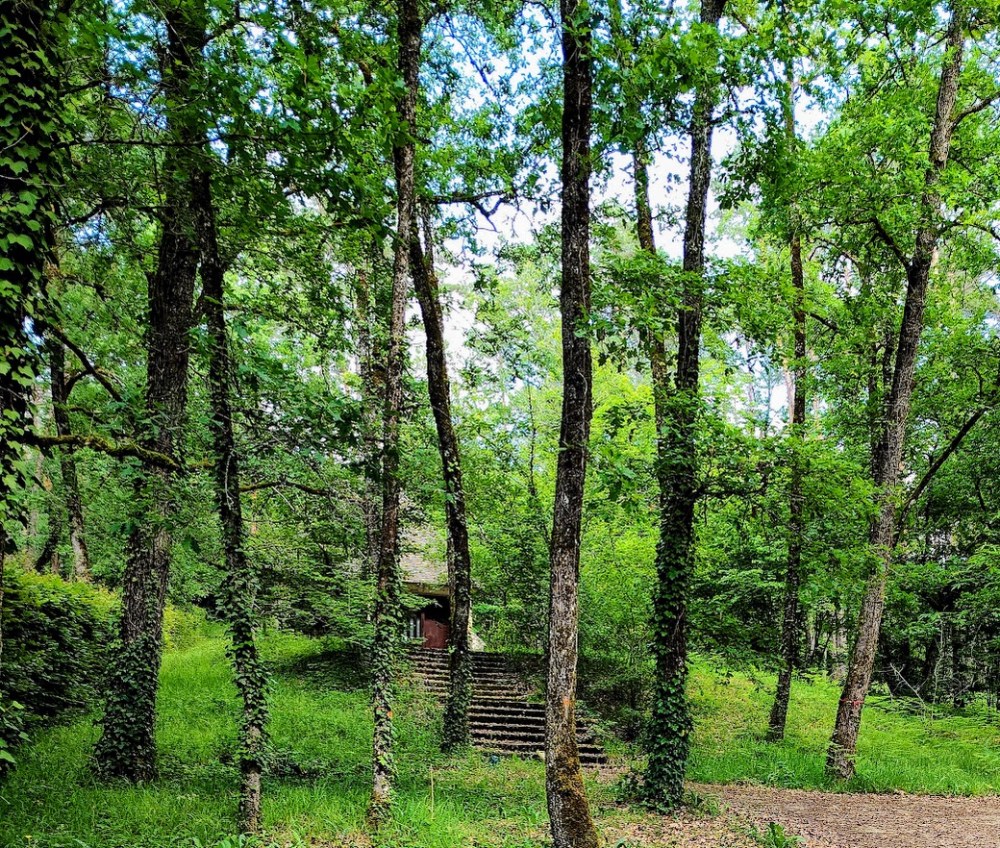
Beneath this little wood lies the real Lascaux Cave (between 10 and 24 metres below ground).
A technological achievement
The decision was made to construct Lascaux II on the same hillside, approximately 200 metres from the original cave, on the site of a former quarry. The entire complex is built underground. What an extraordinary technological achievement! Only exceptional scientific and artistic precision made it possible to recreate the atmosphere of the original cave. The construction involved ferrocement shells and a structure inspired by shipbuilding techniques. Every contour was reproduced in minute detail, while the multicoloured paintings were created using natural pigments, just as the prehistoric artists had done.The most famous galleries of Lascaux – the Hall of the Bulls and the Axial Gallery – were recreated from floor to ceiling, with astonishing precision in reproducing the techniques and gestures of the prehistoric artists. Since opening, Lascaux II has welcomed almost ten million visitors.
Lascaux II by torchlight
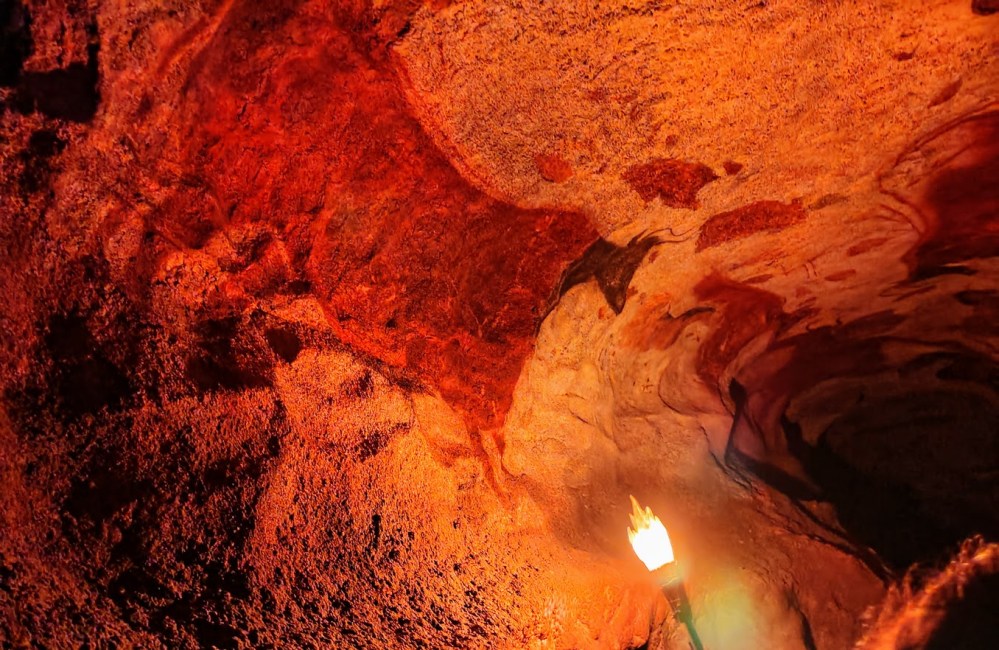
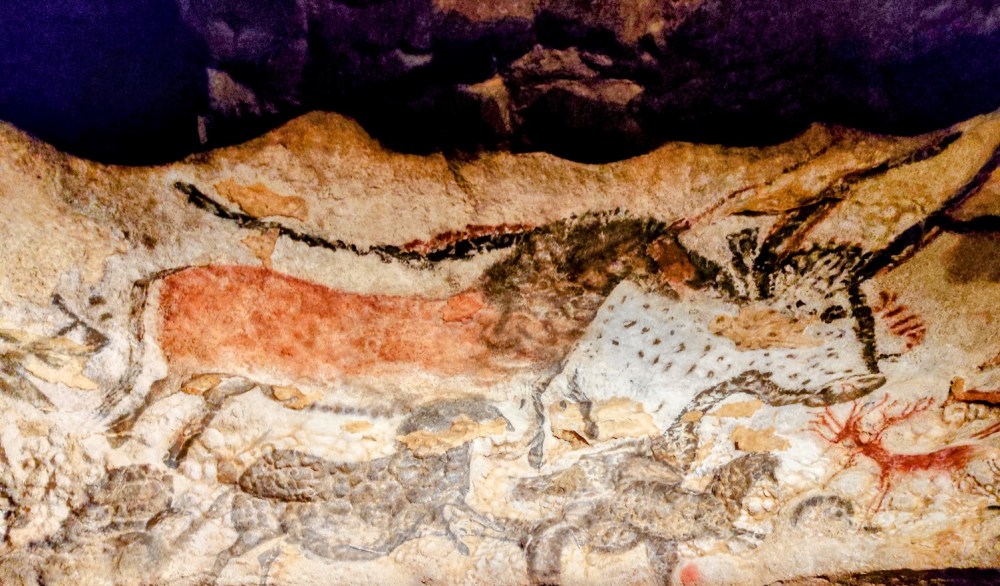
Lascaux II. Hall of the Bulls, left wall. During the visit, visitors are transported into an immersive sensory experience, surrounded by darkness, coolness, humidity and the distinctive scents of the underground world. Photograph © François Collombet.
6. Lascaux IV: built to pass its heritage on to future generations
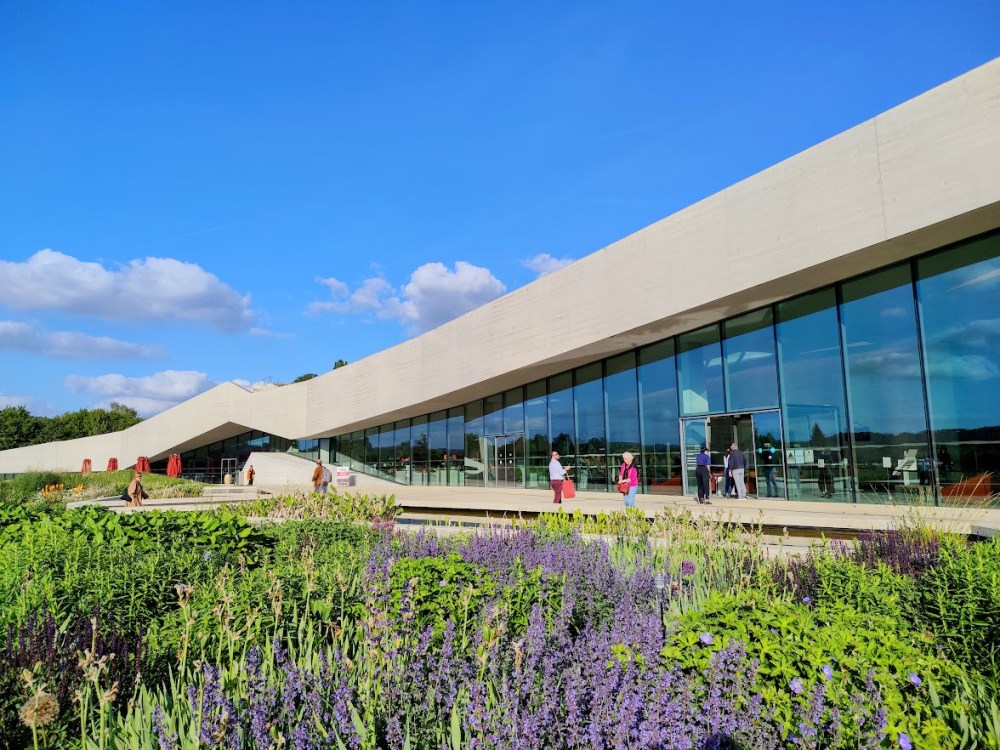
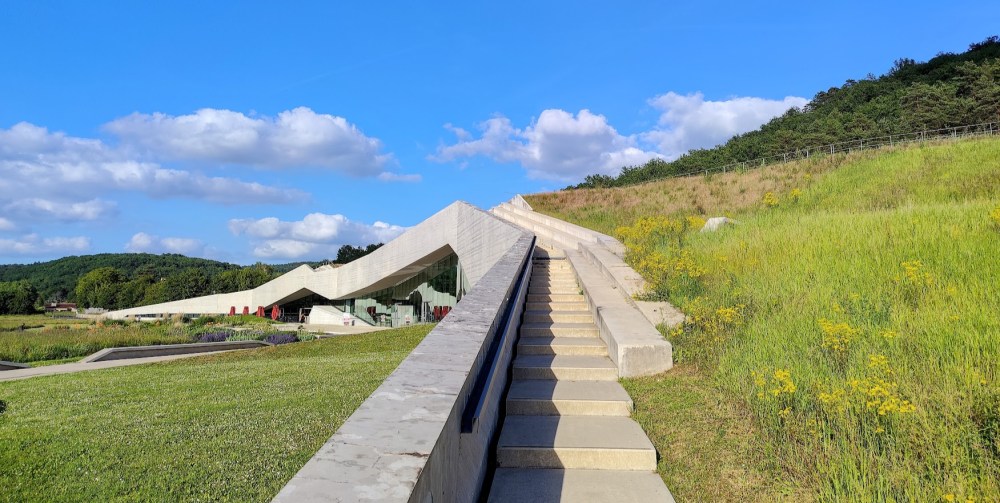
Lascaux IV is celebrating its tenth anniversary, but its vision is firmly focused on the future. It is difficult to imagine the challenge involved in creating this complete facsimile of Lascaux Cave. It took two and a half years of construction before the International Centre for Cave Art* could open its doors at the foot of the hillside sheltering the original cave.Two and a half years of enormous work were required to bring together architects, artists and experts to create this remarkable museum, which emerges from and blends into the landscapes of the Vézère valley.
*The entrance pavilion was designed by Snøhetta, a Norwegian architectural practice. The entire complex incorporates 15,000 square metres of architectural concrete.
Understanding cave art through interactive experiences
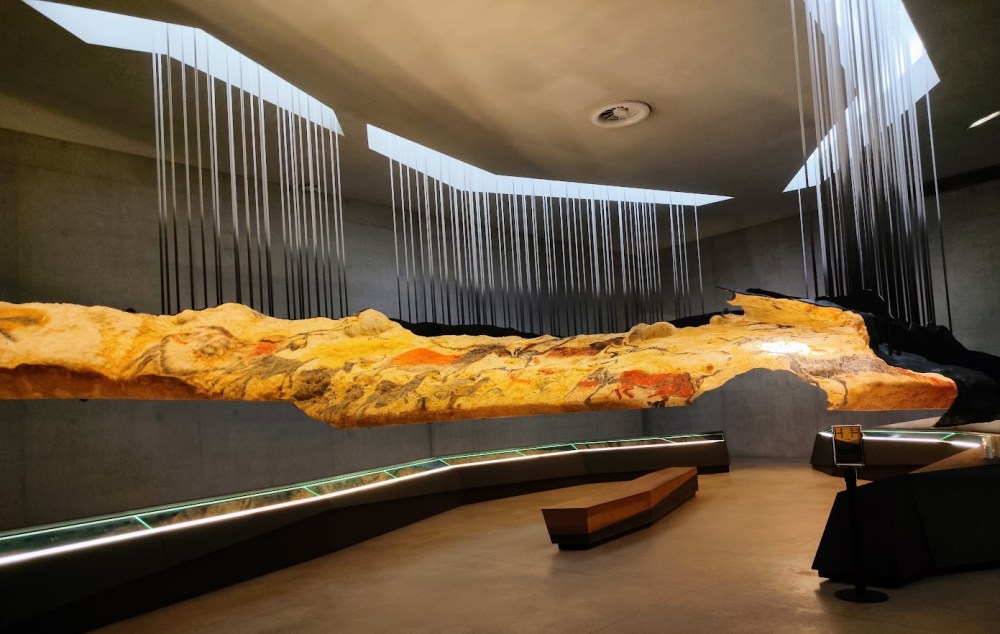
The International Centre for Cave Art at Lascaux was designed to be partly buried in a gently sloping hillside, with an accessible planted roof. The complex is spread over two levels. Its centrepiece is the facsimile of the cave, accompanied by a long, mineral-finished courtyard and various exhibition spaces. One of these is the Atelier Gallery, which displays fragments and reproductions of the cave (see below). The interior of the facsimile was reproduced using 3D surveys and the specialist techniques developed by the Atelier des Fac-Similés du Périgord.
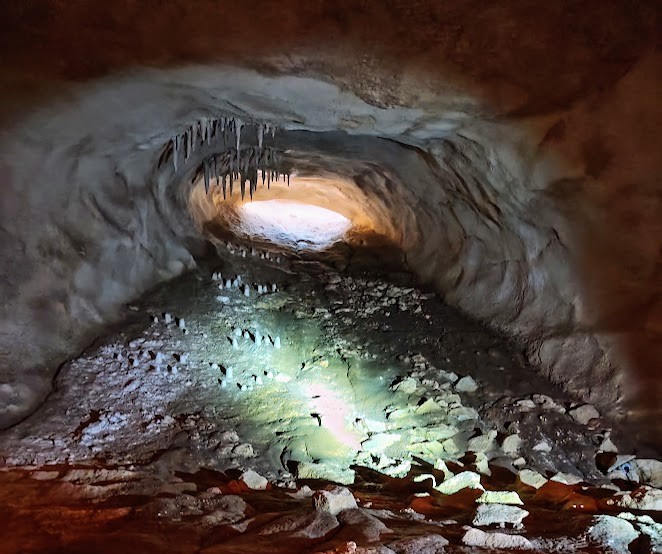
Inside, the atmosphere is that of a real cave: humid and dark, with sounds softened and muffled.
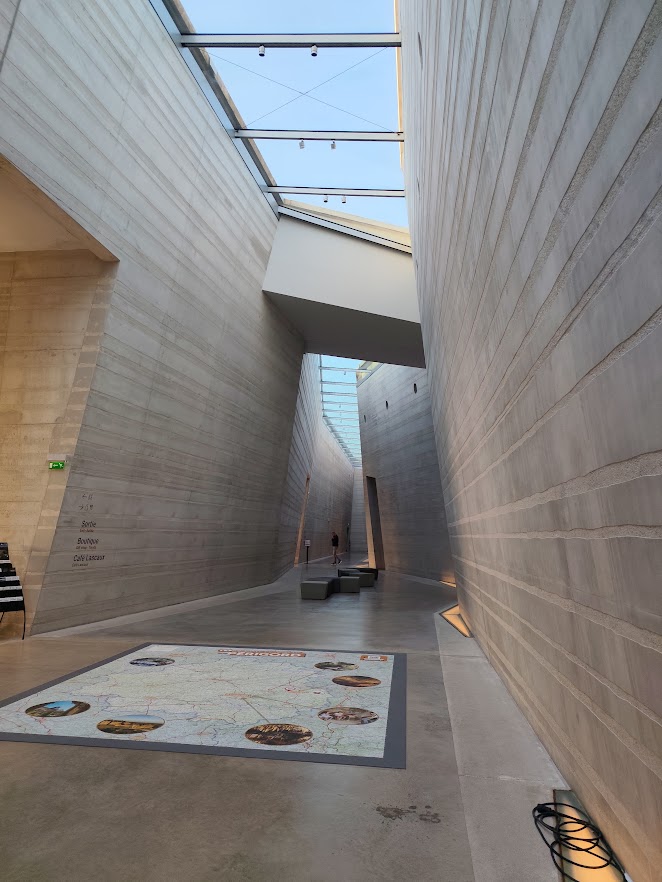
The Fault – La Faille. The International Centre for Cave Art offers several different spaces and exhibition rooms designed to immerse visitors completely in the prehistoric world. One of the ways into the complex is through La Faille, a long, mineral-finished courtyard. In addition to the cave itself, visitors can explore the Atelier Gallery and its eight models, the theatre dedicated to cave art and a 3D cinema. Photograph © François Collombet.
From the Atelier des Fac-Similés du Périgord came a perfect impression of Lascaux
There is no doubt that this was a major undertaking: an ambitious architectural project accompanied by months of work at the Atelier des Fac-Similés du Périgord* in Montignac-Lascaux.
Here, every wall, every contour and every subtle variation in pigment has been reproduced with such astonishing realism that visitors feel as though they are entering the original cave. Thirty-six people – artists, painters and technicians – were needed to complete this colossal project. They recreated 1,500 paintings and 53 walls within a cave covering 3,500 square metres. The fidelity to the original is absolute. Every figure has been placed in precisely the same position, without artistic interpretation, bringing a work of art dating back 21,000 years back to life. That was the challenge. Mathilde Vignaud likes to say that if Lascaux were a colour, it would be the red ochre of the Hall of the Bulls, where the intensity of the pigments bursts out against the calcite.
*The Atelier des Fac-Similés du Périgord creates and reproduces all kinds of elements of cultural heritage.
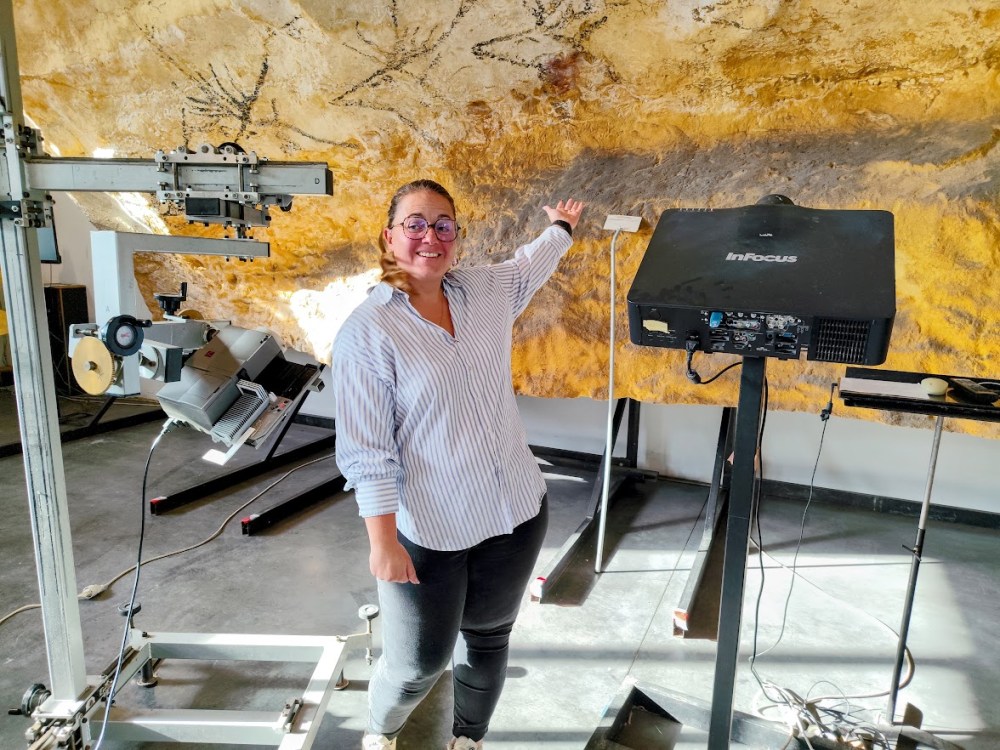
The emotion of reproducing a scene with such intimate fidelity
The Frieze of Swimming Stags: a single frieze showing five stags, all facing towards the far end of the gallery. The first four were drawn in black using manganese dioxide and ochre. They seem to float on the wall. It is an extraordinary and enigmatic work of beauty! Antoine Ullmann, director of Dada magazine, which devoted an entire issue to the cave, remarked: “The delicacy of the lines, the way the figures emerge from the wall, create a direct connection with an artistic gesture from our distant past, 20,000 years ago. For me, these simple lines encapsulate the emotion and the desire to leave a trace.”
How could Mathilde Vignaud and Thierry Laurent from the Atelier des Fac-Similés du Périgord* fail to admire these prehistoric artists? They themselves have managed to create and recreate emotion using cutting-edge technology to reproduce paintings that are 21,000 years old.
*The Atelier des Fac-Similés du Périgord (AFSP) is a wholly owned subsidiary of Semitour, the company commissioned by the Dordogne Departmental Council, which established it, to manage eight cultural sites and four accommodation sites.
The Atelier Gallery and its eight large-scale facsimile installations
To display the cave’s principal works, the AFSP developed a patented mineral coating known as the ‘stone veil’. It recreates the appearance of the original limestone walls. The surfaces have been carefully aged and painted to reproduce the texture created over thousands of years.
Eight large-scale facsimile installations
The principal works of the cave are displayed here: The Two Back-to-Back Bison/The Great Black Cow/The Handprint Panel/The Apse/The Shaft Scene/The Axial Gallery/The Upside-Down Horse/The Hall of the Bulls. Augmented reality allows visitors to access information about the different images, techniques and interpretations.
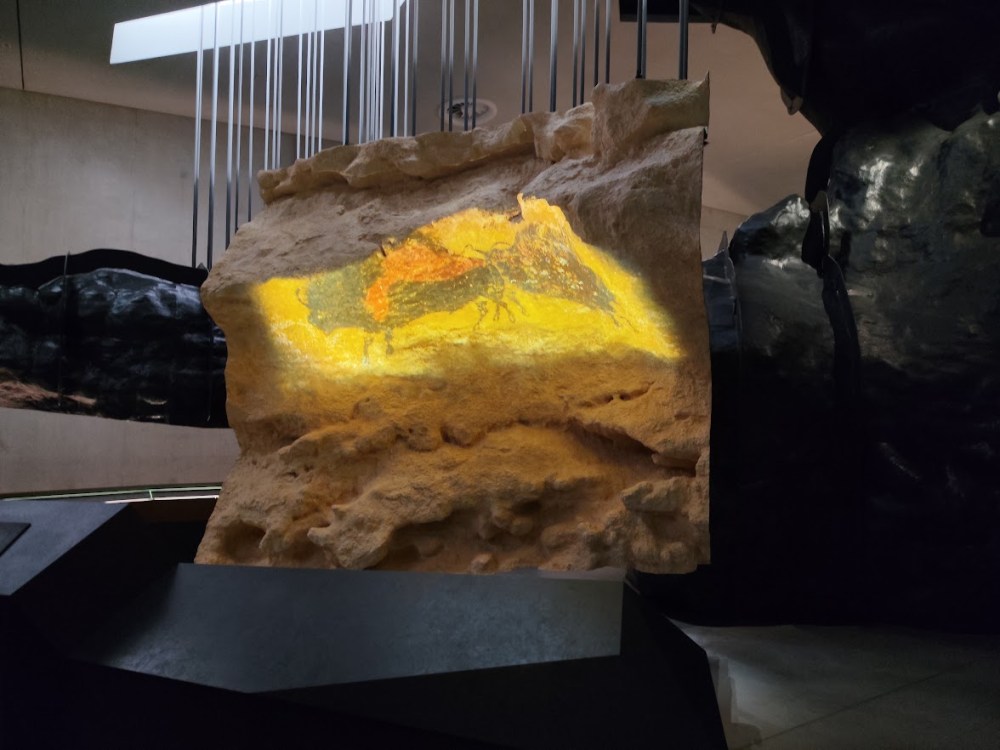
This diptych brings together two male aurochs. They turn away from one another in a symmetrical arrangement. Yet they are not completely separated, as their outlines overlap at the level of their hindquarters. Photograph © François Collombet.
Hugo is our guide and interpreter at Lascaux IV, introducing us to this extraordinary replica
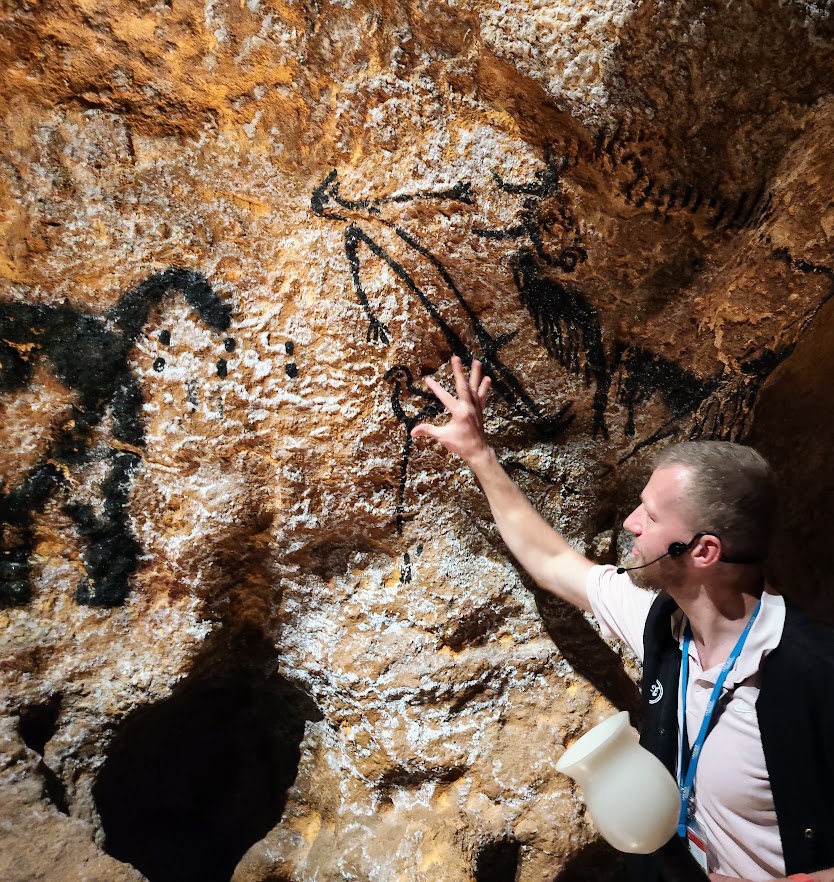
Hugo is a qualified tour guide at Lascaux IV, and we follow him into the cave. He holds aloft a torch, its light piercing the darkness as soon as we enter the replica. “The cave had to be exactly as it was when the four boys from Montignac discovered it in 1940. That means very little light, the same temperature – 13°C in winter and 16°C in summer – the same humidity and even the same acoustic atmosphere.” Our eyes quickly adjust to the darkness. Within just a few steps, we find ourselves in the Hall of the Bulls, the most spectacular chamber in the cave. It is an immense, colourful fresco dominated by bulls, deer, horses and other animals, all reproduced in exactly the same proportions and within the same volumes as the original cave.
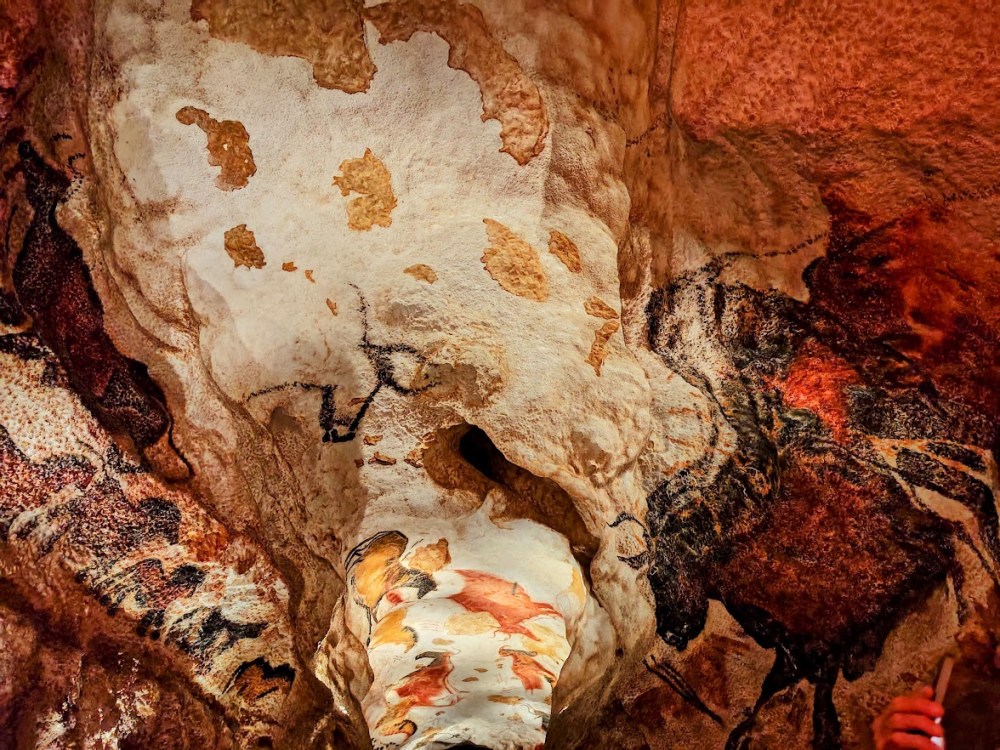
Why does the only human figure depicted at Lascaux have a bird’s head?
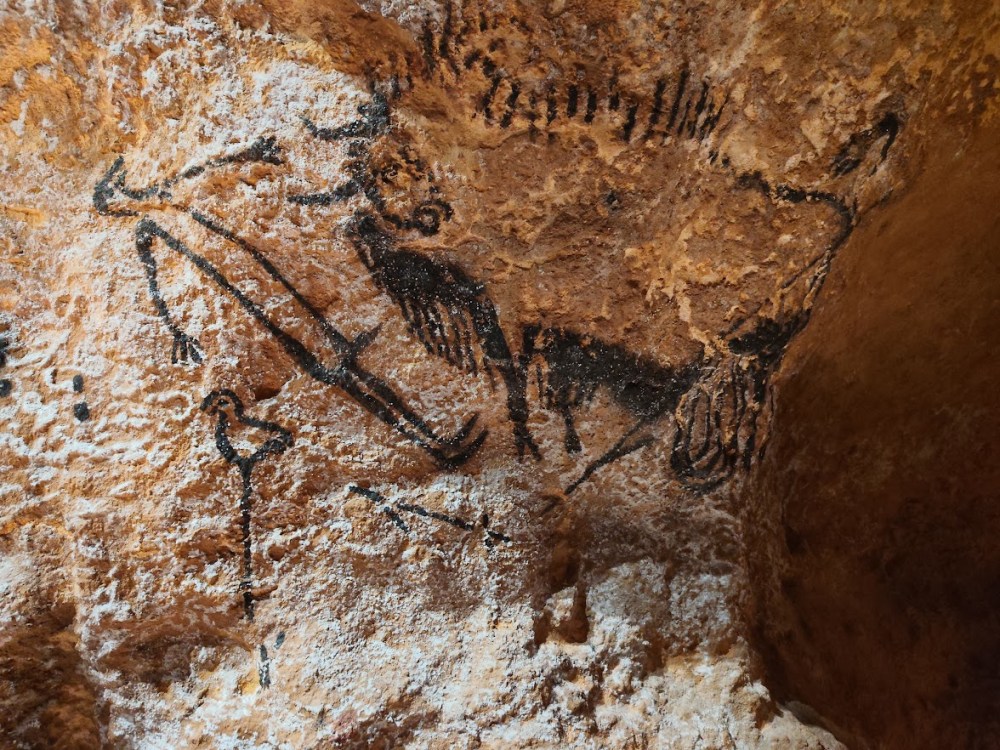
The figure appears on the wall of the Shaft, between a bison and a rhinoceros. It is universally known, not only among prehistorians but also among many novelists, philosophers and historians. It is undoubtedly the most famous human figure in Palaeolithic art.
The Man in the Shaft: Lascaux’s greatest mystery
Georges Bataille (1897–1962), writer and philosopher Ever since publishing his first book about Lascaux in 1955, Georges Bataille had been utterly fascinated by the famous cave painting known as “The Man in the Shaft”. In 1961, in one of his final books, The Tears of Eros, he attempted to understand this scene, drawn in black on the cave wall more than 21,000 years ago. He sought to decipher the mysterious relationship between death and eroticism.
Photograph © François Collombet.
Here is this extraordinary scene. The only human figure represented at Lascaux remains an enigma.
A man with a bird-like face and an erect penis appears to be collapsing. He lies in front of a wounded bison, whose entrails are spilling out. He is about to die. To the left, a rhinoceros can be seen moving away. The bison and the bird-headed man seem to have come together in the presence of death. Yes, it is a mystery buried for more than 210 centuries.
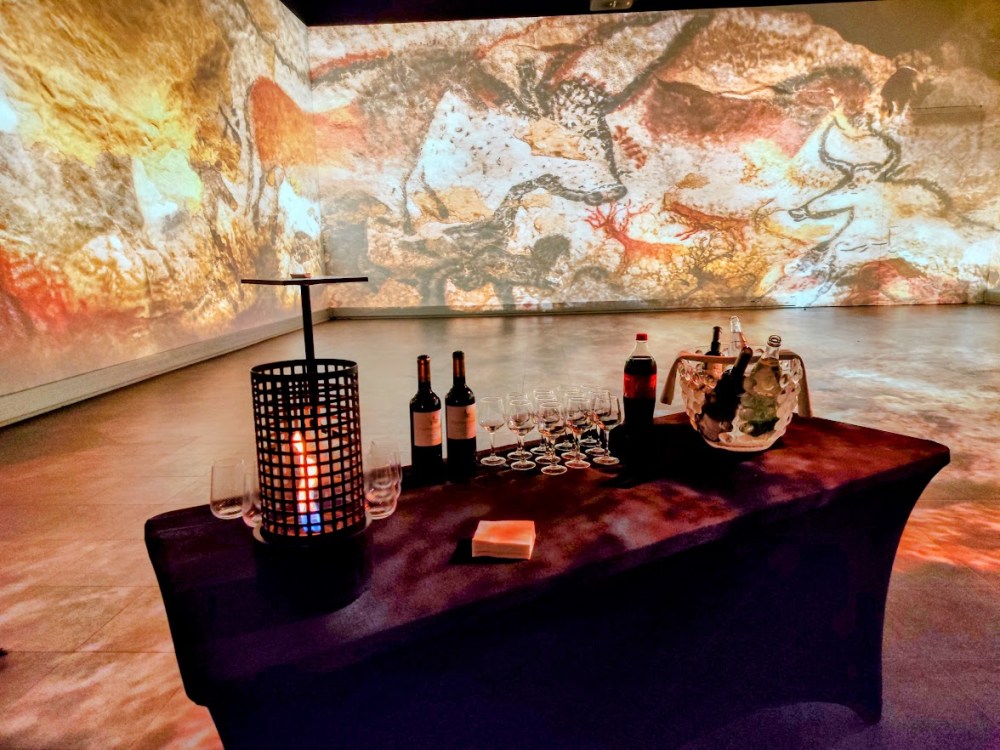
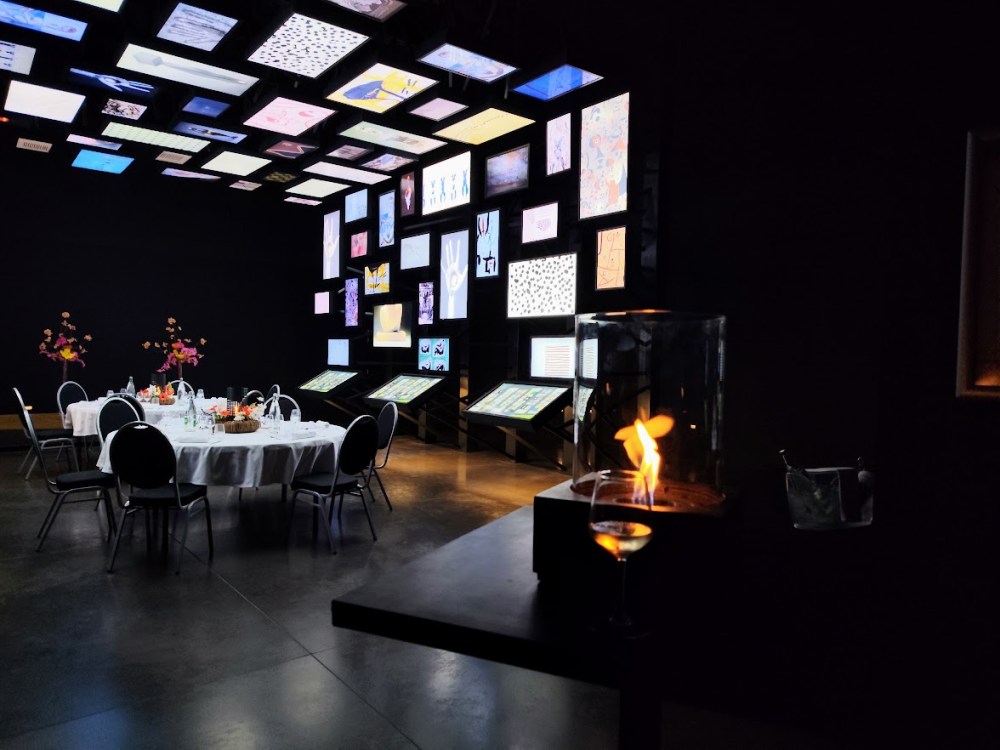
An aperitif and an evening of cave art and gastronomy in the heart of Lascaux IV
No, this will not be the prehistoric gourmet menu created by chef Pascal Lombard, but rather a delicious taste of traditional Périgord cuisine.
The role of Semitour Périgord
To increase visitor numbers at its tourist attractions and improve their economic performance, the Dordogne Departmental Council established a local mixed-economy company dedicated to tourism management. Founded in 1998, Semitour Périgord is responsible for promoting and showcasing the rich cultural, natural and tourist heritage of the Dordogne. Its sites include Lascaux IV, Lascaux II, the Grotte du Grand Roc, the castles of Bourdeilles and Biron, the cloister at Cadouin and many others. Its Managing Director is André Barbé.

