What if the artists of Roc-aux-Sorciers were women of the Magdalenian period?
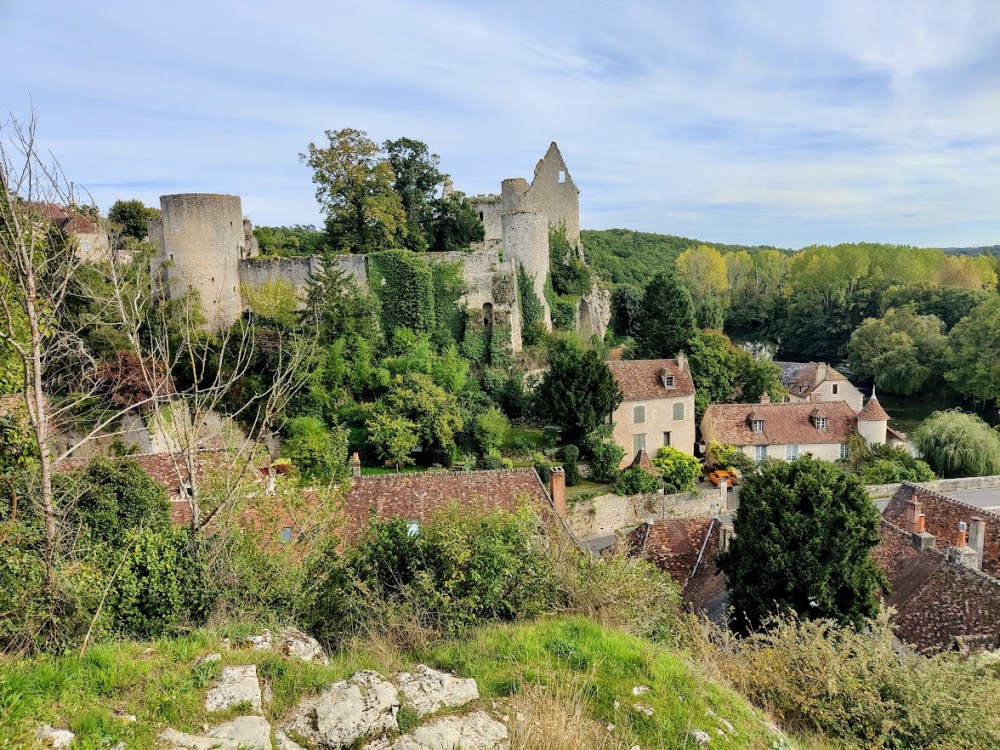
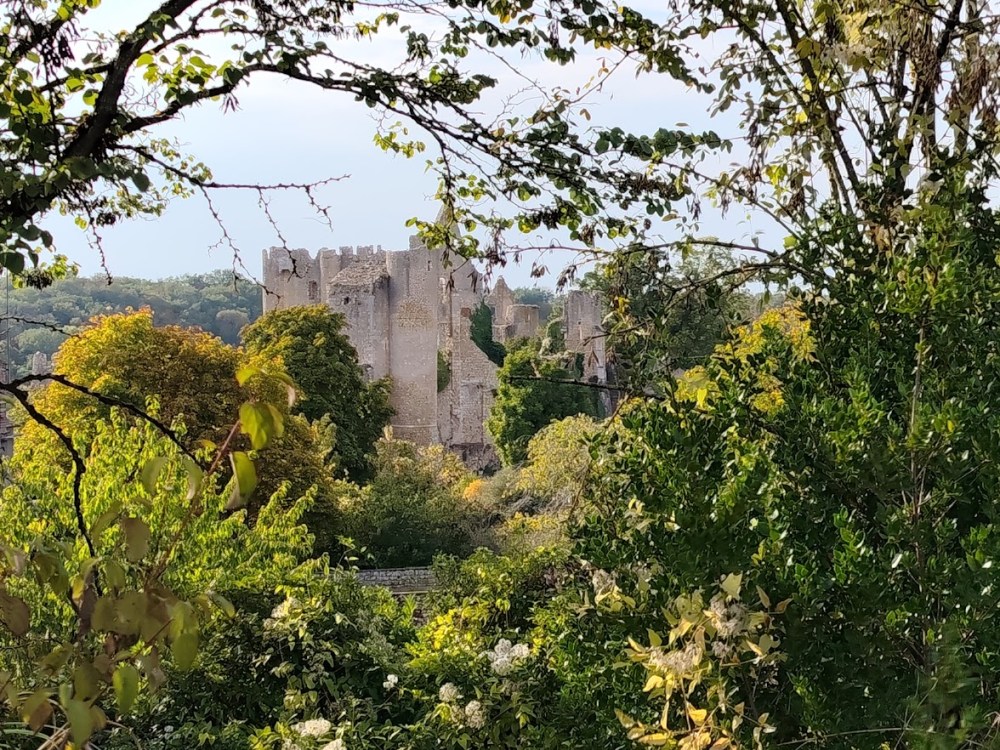
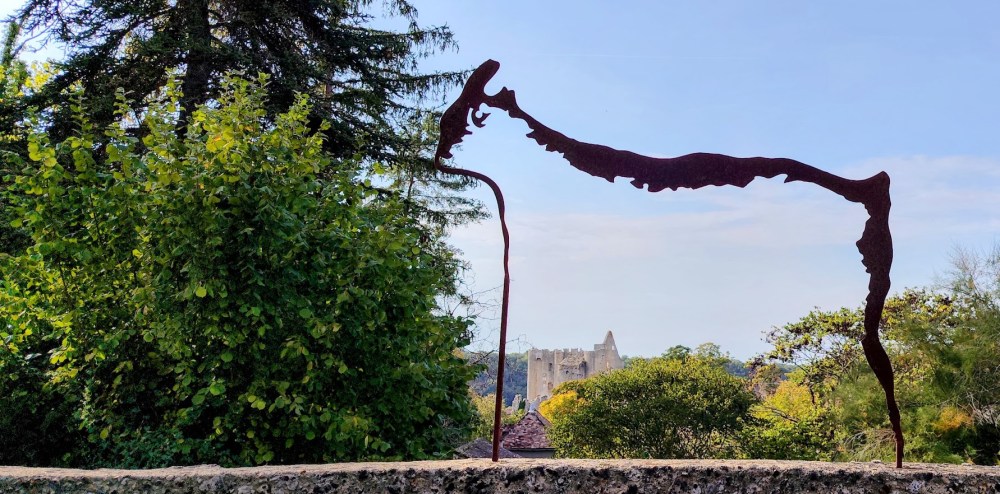
Few places in central France can boast as many attractions as this little town in the Vienne department. Situated where the historic regions of Poitou, Touraine and Berry meet, Angles-sur-l’Anglin is a familiar name to those who know France’s most beautiful villages. Listed among Les Plus Beaux Villages de France, it charms visitors with its winding streets, centuries-old houses and the ruins of its medieval castle. The castle is an impressive 11th-century fortress, perched on a rocky outcrop more than 40 metres above the waters of the River Anglin. Below, on the banks of the Anglin and at the foot of a cliff, lies the Magdalenian site of Roc-aux-Sorciers, home to its extraordinary sculpted frieze. According to Geneviève Pinçon*, it may well have been the work of women.
*Scientific director of the research carried out at the Magdalenian site of Roc-aux-Sorciers (see her profile below).
Roc-aux-Sorciers: world-famous
Yet the village’s medieval past is overshadowed by something much older: its prehistoric heritage.
In 1950, the discovery of a prehistoric frieze at Angles-sur-l’Anglin revealed what is considered one of the most important examples of its kind in the world. It dates from the final of the three periods of the Lower Magdalenian, approximately 15,000 to 12,000 years before our era. The site is known as Roc-aux-Sorciers. It lies approximately 1,500 metres from the church, on a south-facing limestone cliff beside the river, close to a ford and less than 500 metres from the confluence of the Anglin and Gartempe rivers.
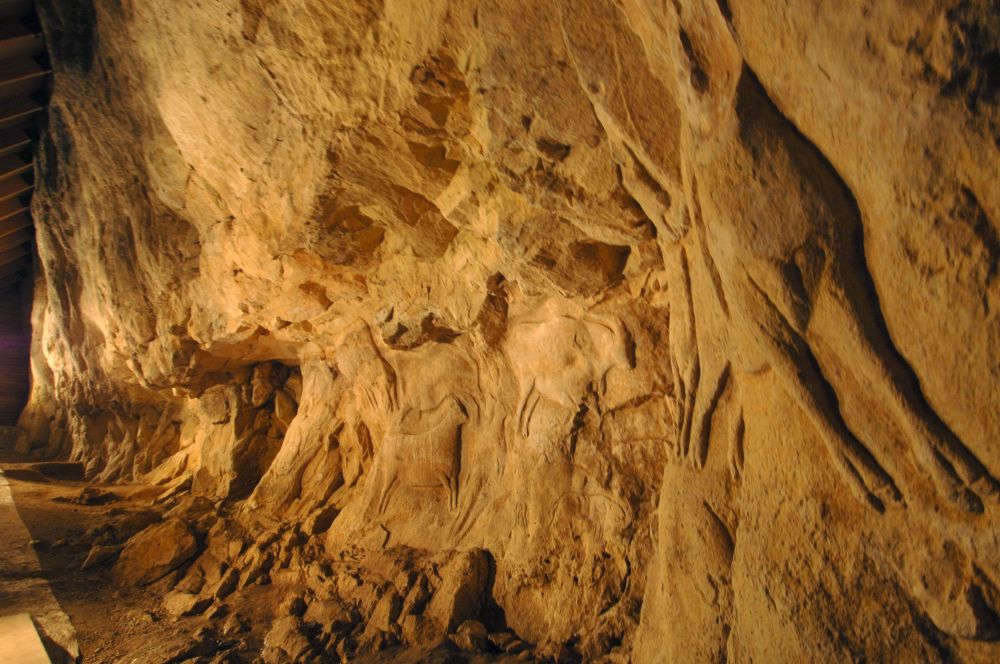
A rock shelter
Archaeologists have identified two geologically distinct areas. Downstream is the Bourdois shelter, a typical rock shelter, while upstream is the Taillebourg cave, which is deeper and resembles a characteristic entrance chamber, forming a transitional space between the interior and exterior.
The two areas are separated by a section that has not been excavated and has been preserved as an archaeological reserve. As early as 1927, the site had been explored by Lucien Rousseau, who was convinced that it contained evidence of prehistoric occupation.
Roc-aux-Sorciers: a cliff overlooking the Anglin, 1,500 metres from the church
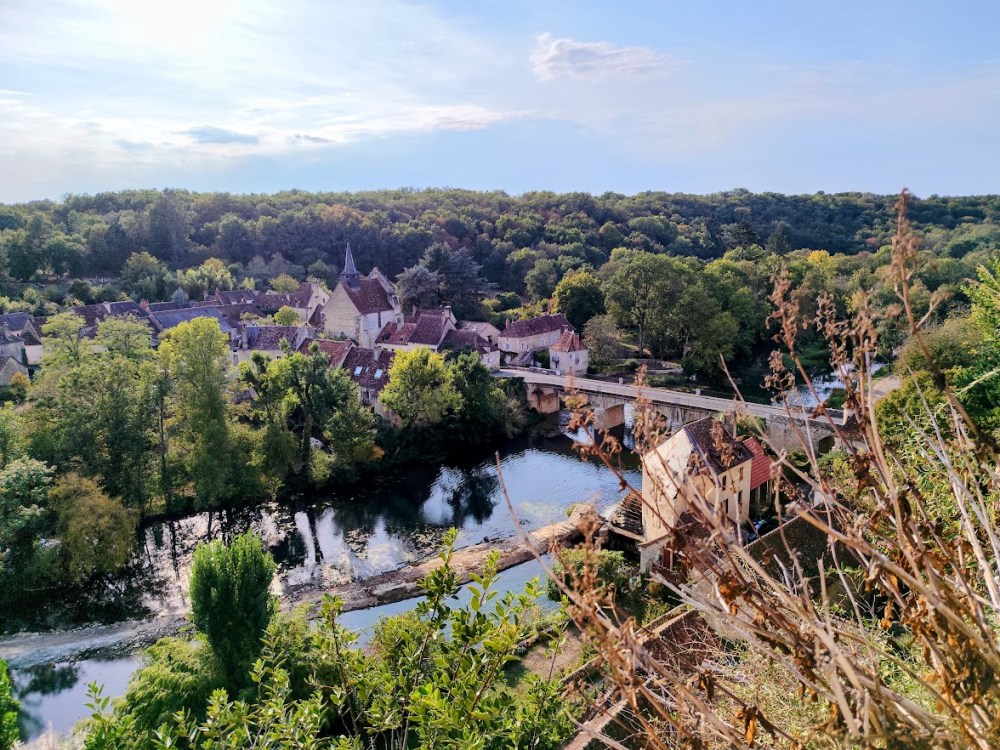
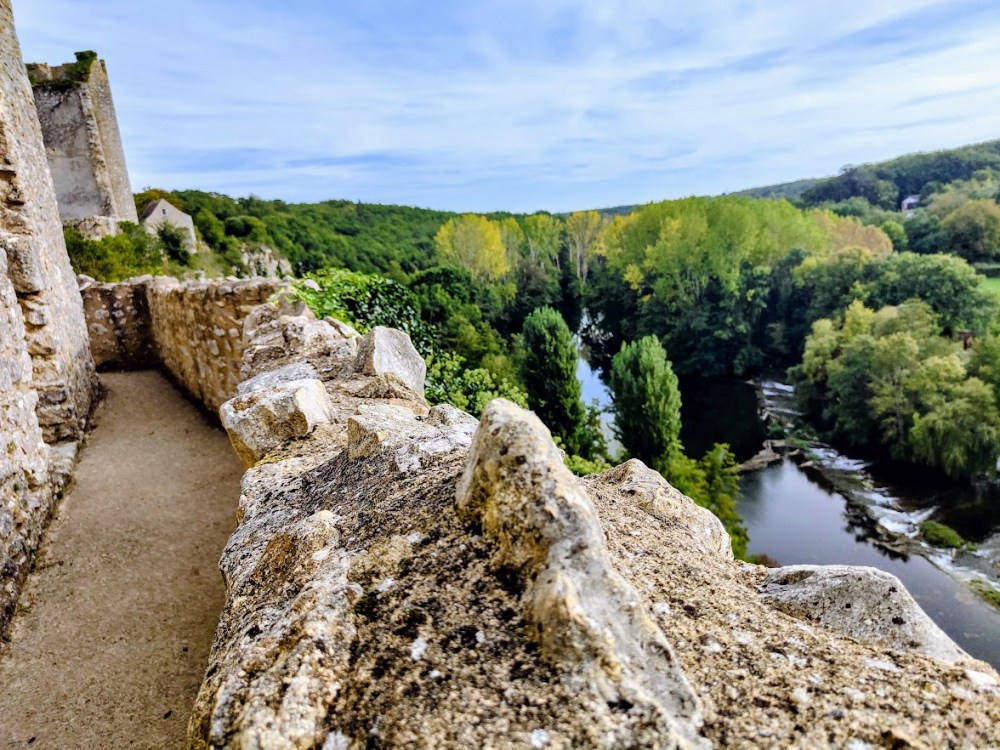
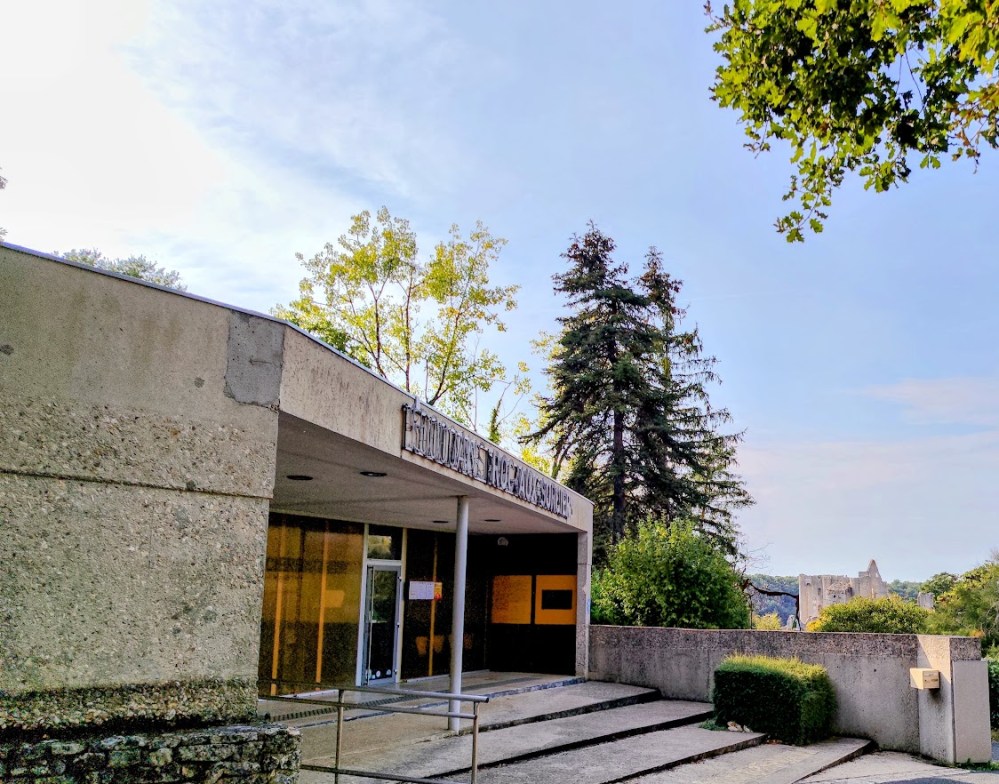
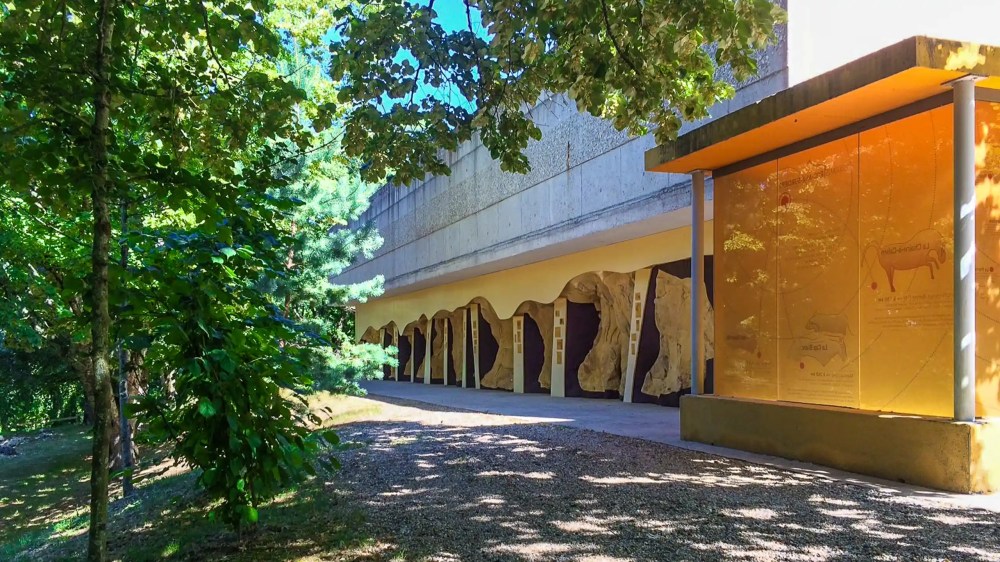
Almost directly above the site: the Roc-aux-Sorciers Interpretation Centre
Today, Roc-aux-Sorciers is closed to visitors for conservation reasons. However, since 2008, visitors have been able to experience an augmented-reality reconstruction at the Roc-aux-Sorciers Interpretation Centre, situated above the village of Angles-sur-l’Anglin.
How was this Lascaux of sculpture discovered?
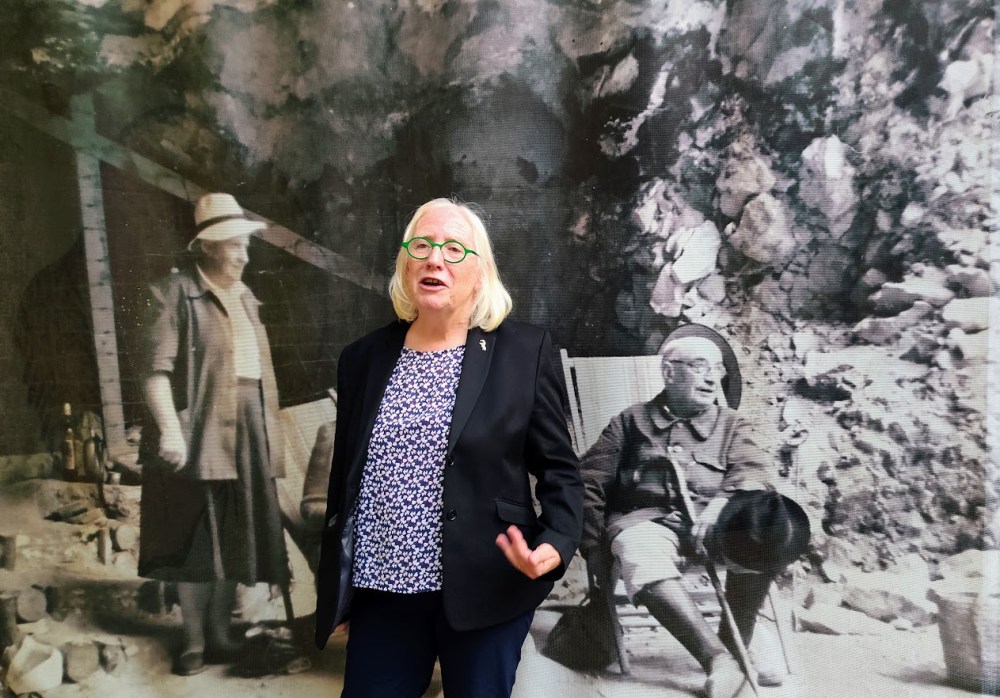
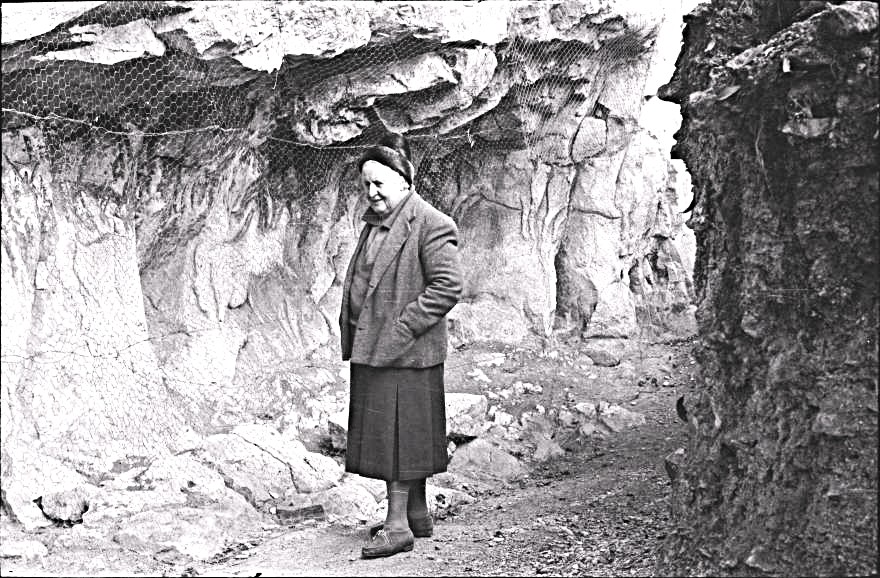
Thanks to Abbé Breuil, nicknamed the Pope of Prehistory, the prehistorian Suzanne de Cassou de Saint-Mathurin (1900–1991) began excavations in 1947, working through the spoil heaps left behind by Lucien Rousseau*, the first person to take an interest in the site. Previously, Suzanne de Cassou de Saint-Mathurin had taken part in the discovery of the Grotte de la Marche at Lussac-les-Châteaux, approximately 40 kilometres away. There, sculpted and engraved stone blocks had been found, along with the same types of tools that Lucien Rousseau had uncovered at Angles-sur-l’Anglin. For Suzanne de Saint-Mathurin, there was no doubt: Roc-aux-Sorciers must contain the same treasures as those discovered at Lussac-les-Châteaux. And she was right! She uncovered more than 300 engraved and sculpted blocks. However, the scale of the work was enormous, and she needed help. She therefore called upon a friend, Dorothy Garrod, Professor of Archaeology at Cambridge and the only woman in England at the time to hold a professorship in archaeology.
*See the Rousseau Collection at the National Museum of Archaeology and the National Estate of Saint-Germain-en-Laye.
Photograph © François Collombet.
A major discovery made by a team of women
The two women worked together and were later joined by another archaeologist, Germaine Henri-Martin. Their excavations were particularly intensive between 1950 and 1964. They led to the discovery of around thirty monumental rock-wall sculptures, known as the Bourdois Shelter sculptures, extending over a length of twenty metres. To this day, this remains the longest sculpted frieze known from the Magdalenian period. Another exceptional aspect of the discovery is that, unlike the works found in caves such as Lussac-les-Châteaux, this frieze was carved into the wall of an open rock shelter. Remarkably, it survived despite the collapse of the cliff and the shelter’s ceiling. Excavations of the different archaeological layers revealed hearths at the foot of the sculptures, together with jewellery and ornaments, lamps, tools made from flint, bone and antler, as well as ivory objects.
A frieze made up of more than 350 sculpted, engraved and sometimes painted blocks
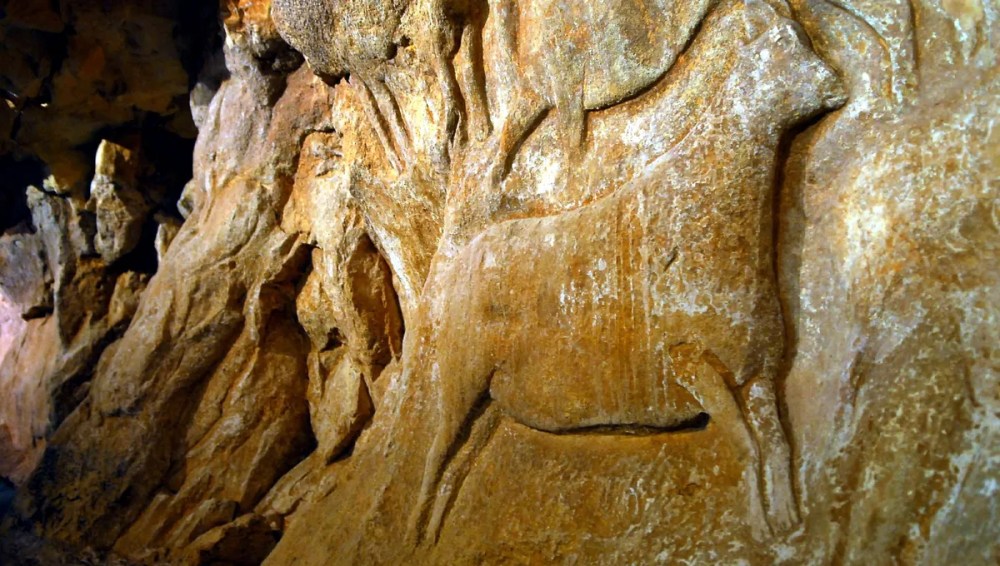
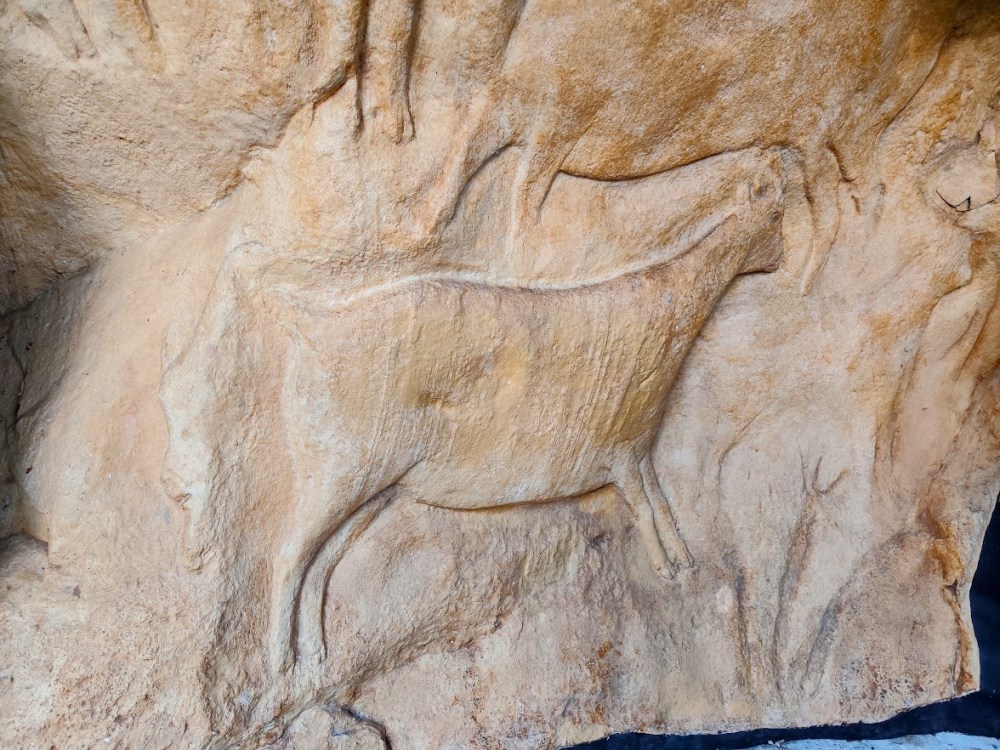
This remarkable team of female prehistorians achieved the extraordinary feat of uncovering a frieze consisting of more than 350 sculpted, engraved and sometimes painted blocks. The images include bison, horses, ibex, big cats, female bodies without heads or feet – known as Venuses – and human faces. Yet despite the importance of this major discovery, the women received little recognition for what has been described as the “Lascaux of sculpture'”. Could this be attributed to the sexism and professional jealousies that characterised twentieth-century archaeology, as Geneviève Pinçon is keen to suggest?
Photograph © François Collombet.
The legacy of the great archaeologist, Suzanne Cassou de Saint-Mathurin
When Suzanne Cassou de Saint-Mathurin died in 1991, this distinguished archaeologist bequeathed the land at Roc-aux-Sorciers to the French State. She had acquired it during the 1950s.
There was just one condition: that scientific research at the site should be entrusted to François Lévêque and Geneviève Pinçon, a specialist with a doctorate in Prehistory*. Since then, Geneviève Pinçon, working with a dedicated team, has continued the research with the authorisation of the Ministry of Culture. The site has been listed as a Historic Monument since 1955 and remains closed to the public for conservation reasons. To compensate for its closure, an Interpretation Centre has been established above the village of Angles-sur-l’Anglin, allowing visitors to discover reproductions of this extraordinary prehistoric sculpted frieze.
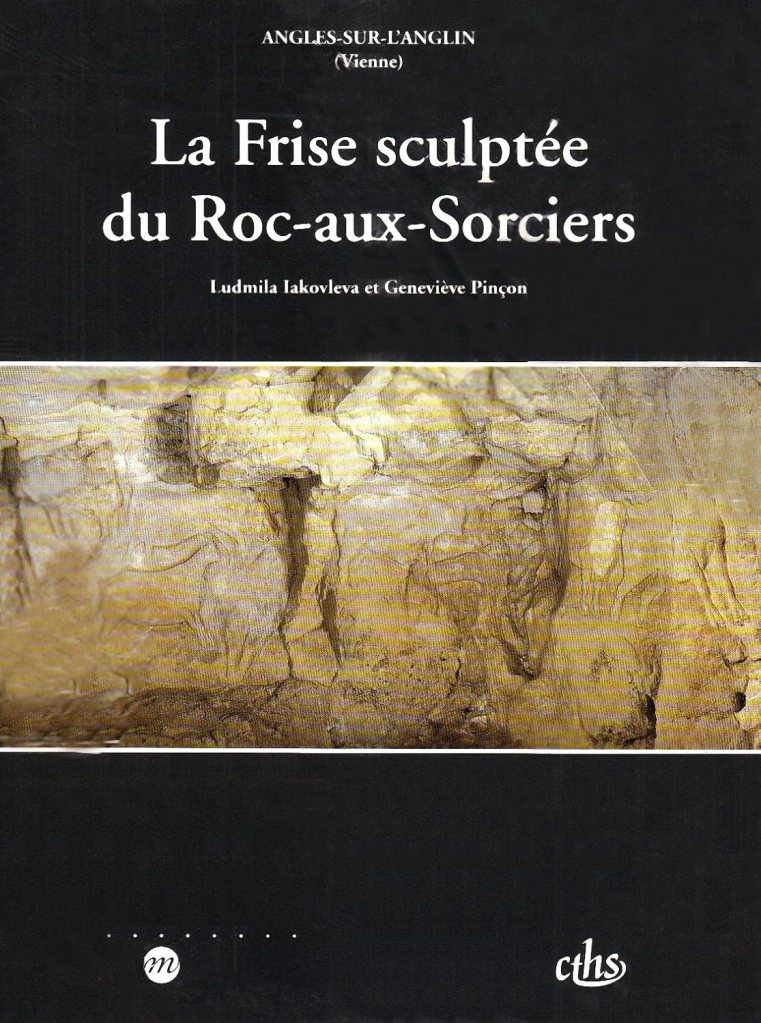
*At Suzanne Cassou de Saint-Mathurin’s request, the research was continued by Geneviève Pinçon. In 1997, she published the book ‘La Frise sculptée du Roc-aux-Sorciers’ with Ludmila Iakovleva and has continued the research with a multidisciplinary team and young researchers.
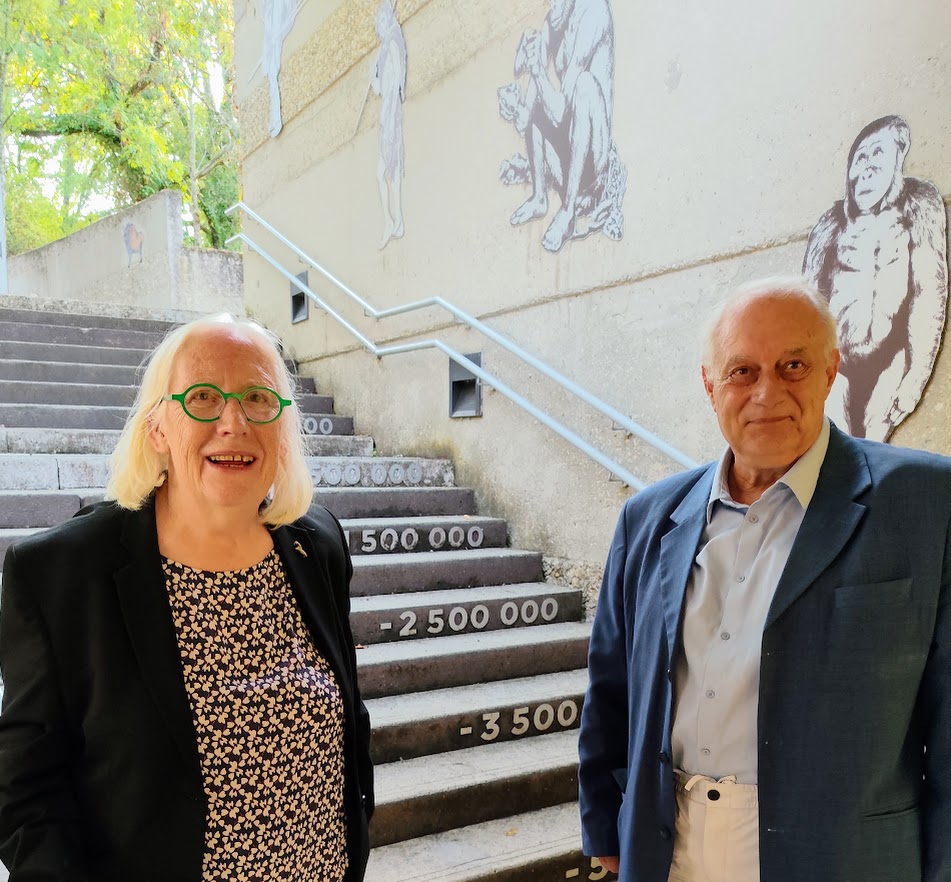
For Geneviève Pinçon, there is little doubt: it was the work of women
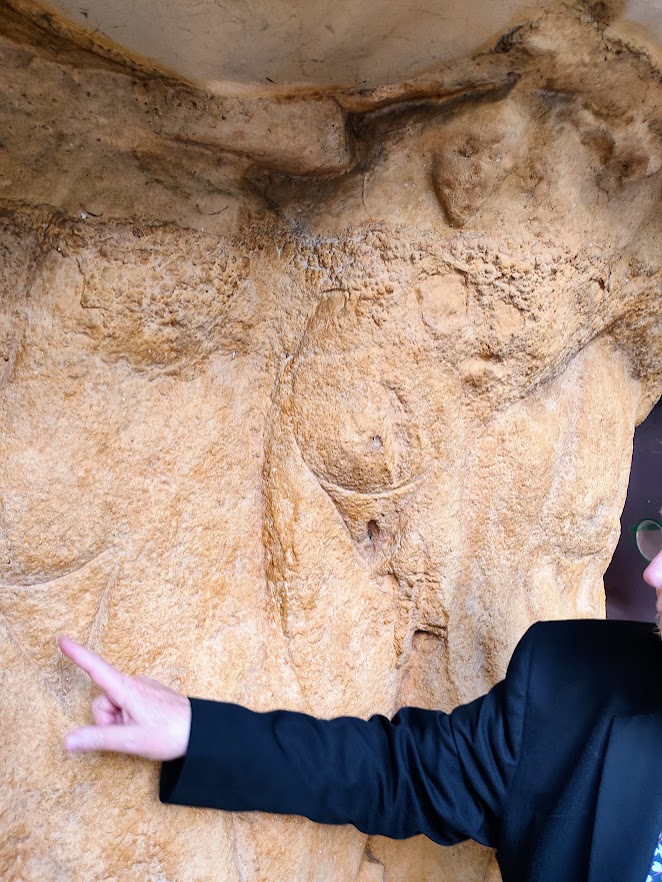
Everything seems to point in that direction: the delicate lines of the sculptures, their varied themes and the sensitivity of their forms. Consider, too, the fine and deeply incised engravings, some of which were even painted*. Could these not have been the work of women? Some of the animal representations, such as the ibex, are life-size. The anatomical details of both animals and humans are remarkably realistic and meticulously rendered. The people who lived at Roc-aux-Sorciers did not simply engrave and sculpt directly into the rock, as happened at other prehistoric sites.
Instead, they first prepared the rock face, smoothing and flattening it before working on it, so that the sculptures would stand out clearly from the surrounding surface. This was a carefully planned and highly coordinated undertaking.
*Traces of colour have been identified on the rock face, in shades of bright red, reddish-brown and yellow.
Photograph © François Collombet.
Inhabited rock shelters
Unlike caves such as Lascaux or Chauvet, decorated rock shelters combine wall art with evidence of human occupation. One example is the numerous rings carved into the limestone along natural vertical ridges. These were used to stretch animal skins, creating divisions between different living spaces. They are also closely associated with the sculpted figures and help to define individual thematic panels, depicting bison, horses and other subjects.
To experience the frieze at first hand: a fascinating and highly educational Interpretation Centre
The Roc-aux-Sorciers Interpretation Centre allows visitors to discover reproductions of the prehistoric sculpted frieze, brought to life through a multimedia sound-and-light presentation.
Following an outdoor trail, visitors are invited to travel back in time before immersing themselves in the everyday lives of the prehistoric artists who lived during this period. The experience continues indoors, where visitors discover a virtual reconstruction of the frieze, followed by a full-scale cast displayed in natural daylight. In this way, an extraordinary piece of prehistoric heritage is brought within everyone’s reach.
Further reading
Lascaux Cave: An Incredible Discovery After 210 Centuries of Silence – amazed
Quand le magdalénien au paléolithique caricaturait ses semblables – Dico du patrimoine