Dreaming of Patagonia: Perito Moreno, El Calafate, El Chaltén, Fitz Roy, Aéropostale, Saint-Exupéry… to be discovered along the mythical Patagonia Ruta 40.
Patagonia, the land of giants
Why does Patagonia inspire so many dreams? No doubt, it is the land of all extremes, fantasies, and myths. A land that, occupied for more than eleven thousand years, created its own cosmogony (too often erased). It was the territory of the Tehuelche people who settled on the plateaus and steppes, of the legendary and highly influential Mapuche who opposed the colonizers, and of many other tribes. The first accounts (Magellan and his crew) in the 16th century associated its inhabitants with the Patagons, a mythical tribe populated by giants. We were then small men facing robust and very tall natives. The Spaniards baptized (in both senses of the word) Patagonia “regio gigantum”, the region of giants, whom they never ceased to fight. Invisible for ages, today we are witnessing an identity revival and, above all, a recognition of their history confiscated by the colonizer.
This land at the end of the world
Patagonia is the end of the world. And at the very end is Tierra del Fuego, Ushuaia, and Cape Horn, in the land of icy mists, terrifying storms, where the Pacific Ocean, the Atlantic Ocean, and the Southern Ocean meet. So why name such a place Tierra del Fuego (Land of Fire)? Not because of the presence of volcanoes, but because of the innumerable fires (and smoke) lit by the indigenous peoples* to protect themselves from the cold, which were visible to the sailors during Ferdinand Magellan’s expedition in August 1520.
*The Yagan or Yámana Indians, essentially nomadic hunter-gatherers, crossed the region aboard canoes. They were decimated at the beginning of the 20th century by colonizers who arrived in Patagonia.
The southernmost region on the planet
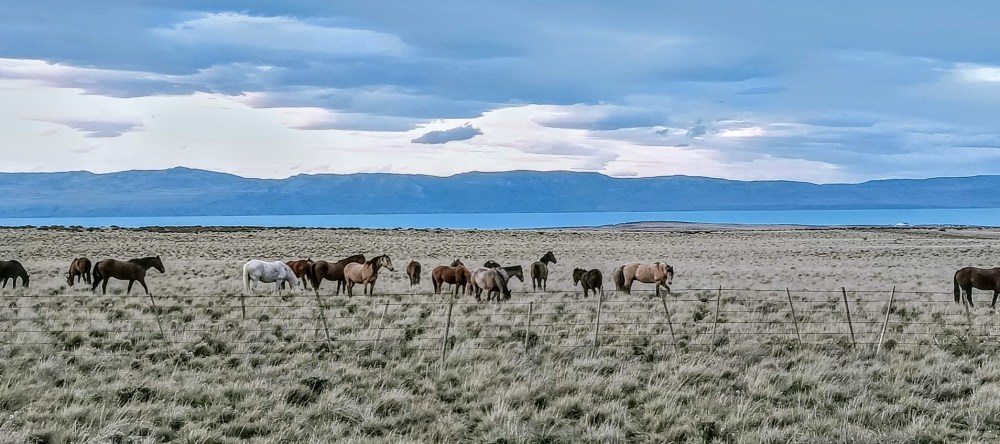
Patagonia is a vast void, also void of population (2 million inhabitants, or barely 4 inhabitants per km²). It is located south of the 40th parallel south, between the 65th and 75th meridians west. Its one million square kilometers at the extreme south of America are endlessly covered with arid steppes, intricate mountain ranges, countless glaciers (17,300 have been counted), labyrinthine fjords, thousands of turquoise-water lakes, and glacial valleys into which Pacific storms plunge.
Massacres, genocides…
But so much wealth—fishing, agricultural, mining, and oil resources—sparked greed, persecution, and ultimately genocides, notably the extermination of the last Mapuche Indians, fierce warriors who occupied this region of Patagonia until 1884 (by the troops of General Roca, who gave his name to Lago Roca). Patagonia, then emptied of its inhabitants, was populated by settlers from Europe in the 19th and 20th centuries (is the Esquel region not called Welsh Patagonia?!). It was the subject of bitter struggles to claim ownership. Result: Argentina occupies the East and Chile the West. And the sheep are well guarded!*
*Some border plots are still disputed today.
These misfits who became legendary figures
To name only the most famous, there was (on the Chilean side) the very short-lived King of Araucanía and Patagonia who, around 1860, reigned for fifteen days over his dual kingdom. What did this Frenchman, Antoine de Tounens—an attorney at the Périgueux Court and a Freemason—have in mind crossing the Atlantic to become a war chief for the Mapuche Indians? He was arrested by Chilean authorities, tried, sentenced to death, but deported back to France. While in Paris people mocked him, did they know that the Indians had idolized him? His account, known under the title El Reino de Araucanía y Patagonia, is thanks to Armando Braun-Menéndez, a historian and man of letters. This King of Patagonia would become known in France thanks to Jean Raspail.
When Patagonia became the Wild West
Who in Patagonia knows a certain Robert Leroy Parker? No doubt the name Butch Cassidy is more familiar. In 1902, he lived near Cholila in the Chubut province (in central Patagonia). He had bought a ranch there. If we are to believe the famous travel writer Bruce Chatwin, he found, lost in these southern lands, a refuge in the company of the Sundance Kid and his friend Etta Place. A peaceful life? Not quite. It was punctuated by a series of bank robberies that forced the small group to flee in 1905 to Bolivia. There, in 1908, he was reportedly involved in a shootout alongside the Sundance Kid. Did they then commit suicide to avoid capture?
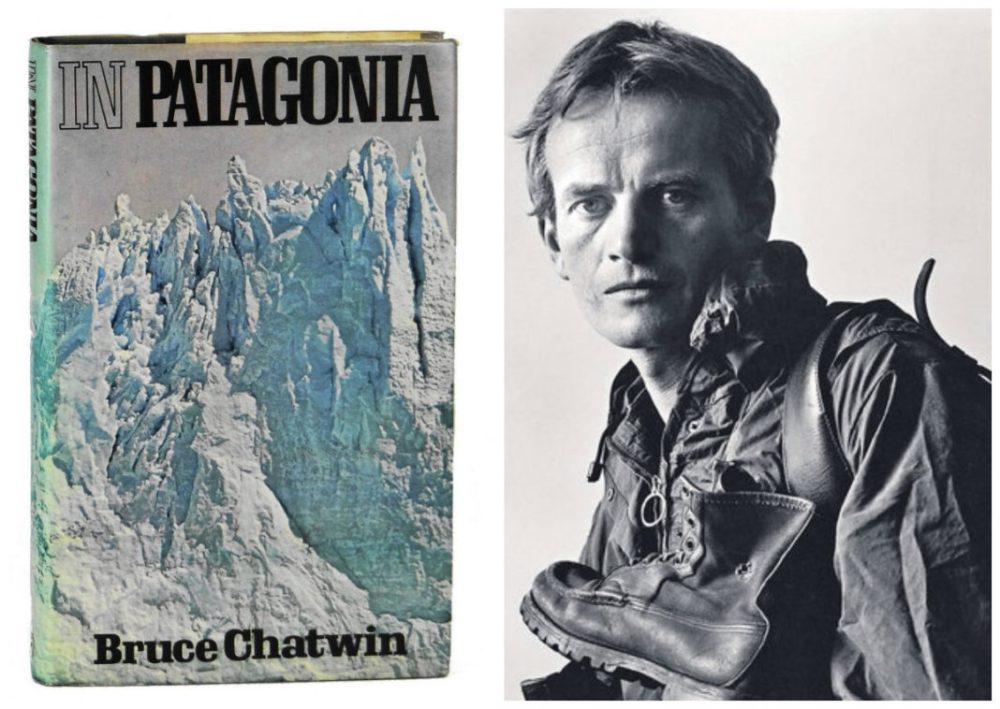
The reference: Chatwin and his iconic book “In Patagonia”
Charles Bruce Chatwin, the greatest British travel writer
Charles Bruce Chatwin (1940–1989) was an English travel writer, novelist, and journalist. Chatwin spent six months in Patagonia, traveling to gather stories of people who came from elsewhere and settled there. This journey resulted in his first book, In Patagonia, published in 1977. This work established Chatwin’s reputation as a travel writer. One of his biographers, Nicholas Murray, called In Patagonia “one of the most original post-war English travel books” and claimed that it revitalized the genre of travel writing.
Patagonia, a 3-hour flight from Buenos Aires
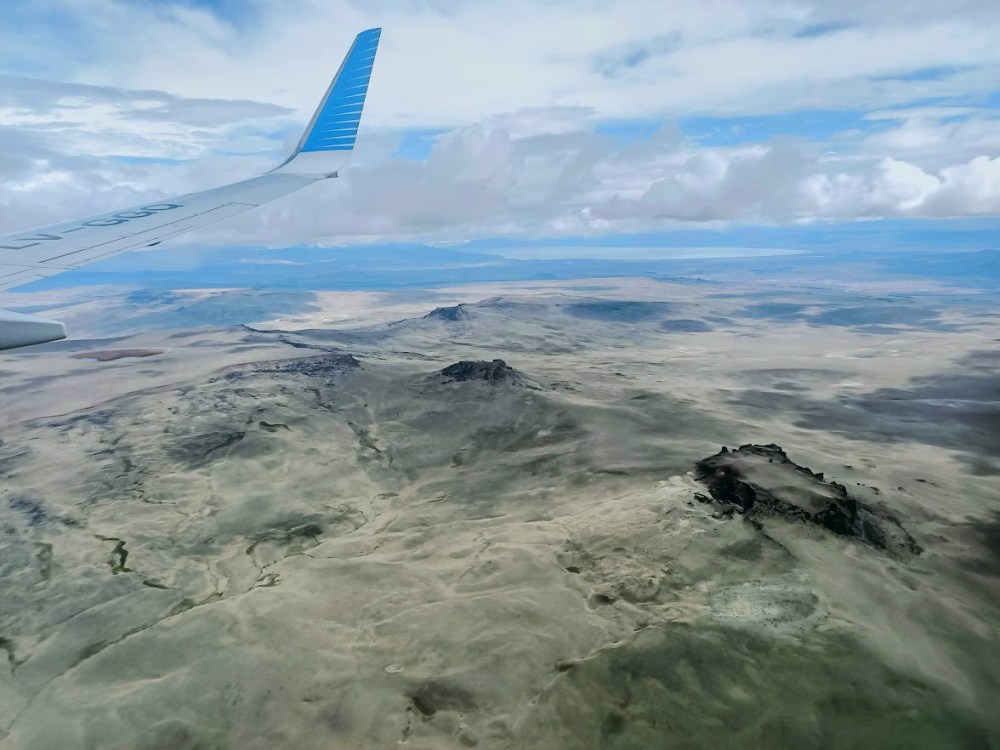
I / El Calafate, gateway to Los Glaciares National Park
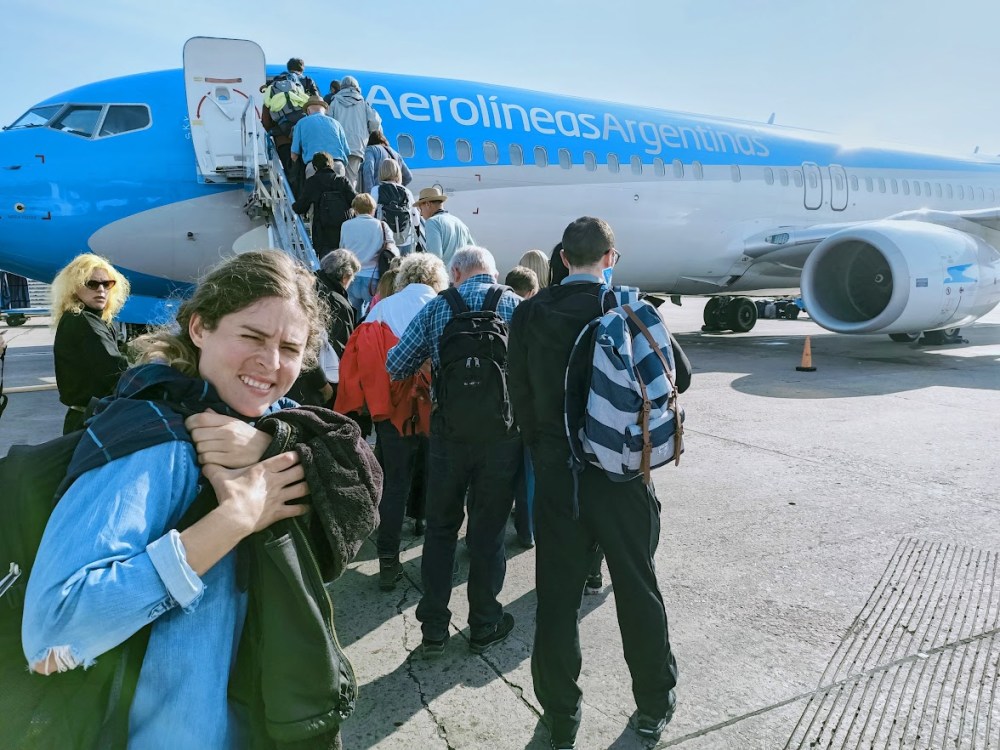
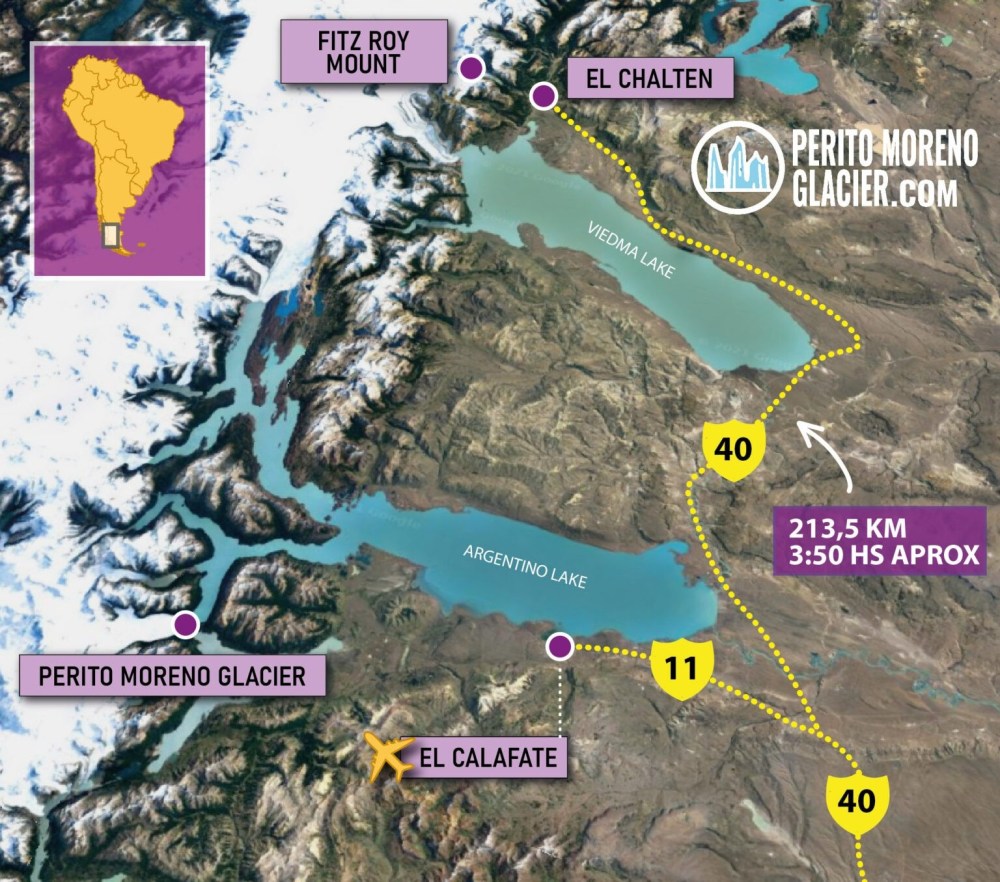
From Buenos Aires, land at the small Comandante Armando Tola International Airport inaugurated in 2001), 23 km east of the town, almost at the junction of Ruta 40 heading toward Río Gallegos. This large town of 22,000 inhabitants, about 2,700 km from Buenos Aires*, in the province of Santa Cruz in southern Argentina, is the heart of Patagonia. It is located on the southern shore of Lago Argentino, the largest freshwater lake in the country.
Buenos Aires (Argentine), le coup de foudre ! – amazed
Lago Argentino, the largest lake in Argentina
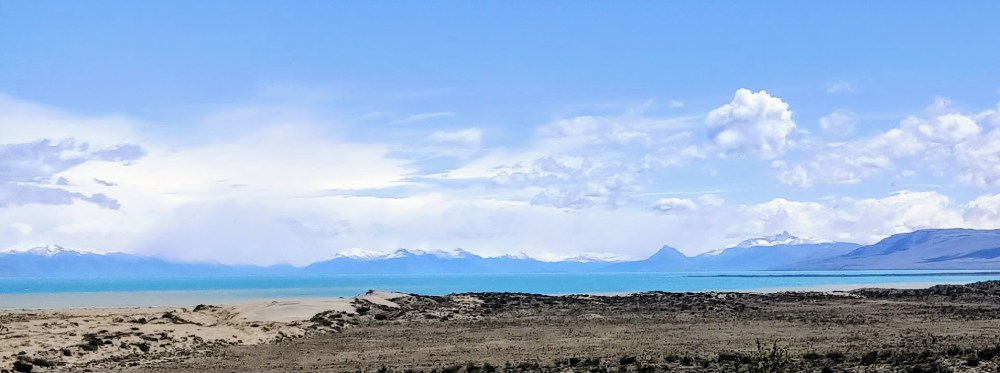
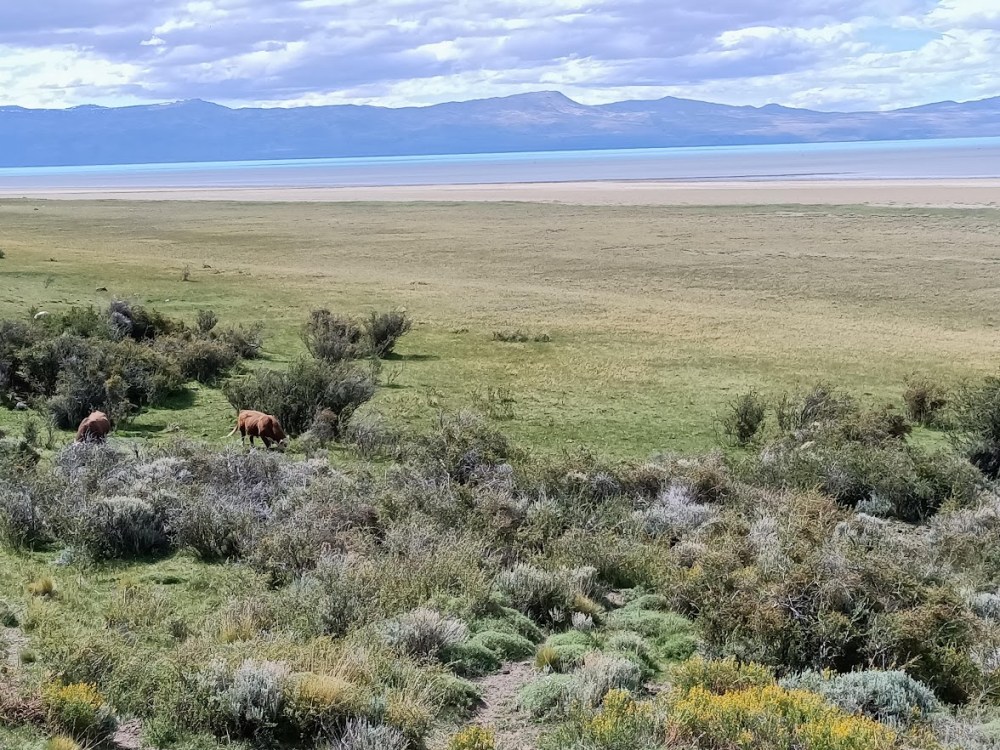
The closest town to Perito Moreno
There are many reasons for a stop in El Calafate, the gateway to Patagonian glaciers. It is the closest town to Perito Moreno, but also to other famous glaciers such as Upsala, one of the largest glaciers in Patagonia (60 km long and 10 km wide), or the impressive Viedma, 78 km long, making it simply the largest glacier in the park and also the largest in Argentina.
*The symbol of the city is the calafate (or Berberis microphylla), a thorny shrub endemic to Patagonian landscapes. Its small edible berries turn from red to dark purple. Its slightly acidic aromatic profile and richness in polyphenols and anthocyanins give it an intense color and antioxidant qualities appreciated in cooking. It is said here that anyone who tastes the calafate fruit will one day return to Patagonia.
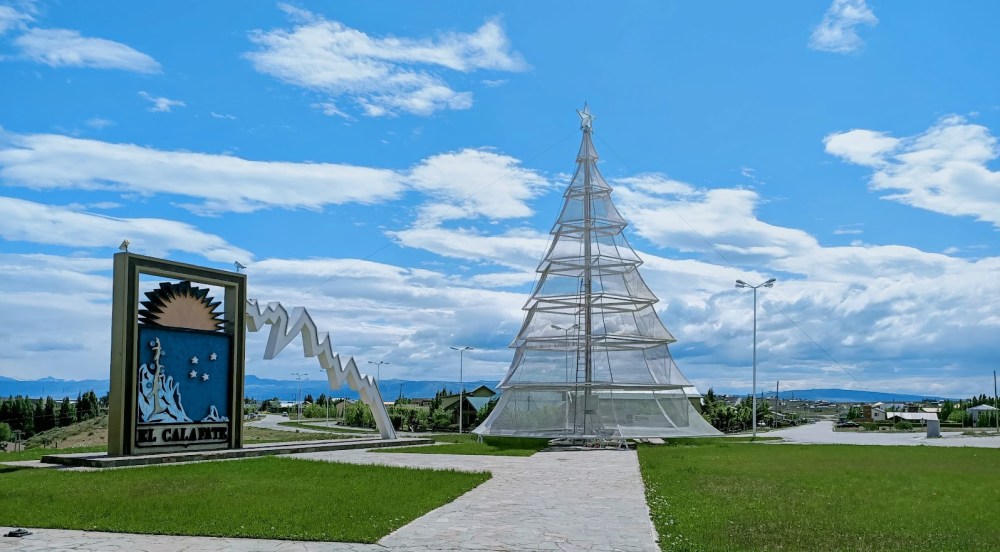
Almost within reach of Perito Moreno, the serenity of Lago Roca and its Estancia Nibepo Aike
A brief moment of respite before the head-on shock: tomorrow having before you (so close, so incredibly surreal!) this enormous ice wall of Perito Moreno, undoubtedly one of the most famous glaciers in the world (and one of the few that continues to grow despite climate change). But today brings the calm and serenity of Lago Roca, a sort of appendage to the immense Lago Argentino on its southern shore.
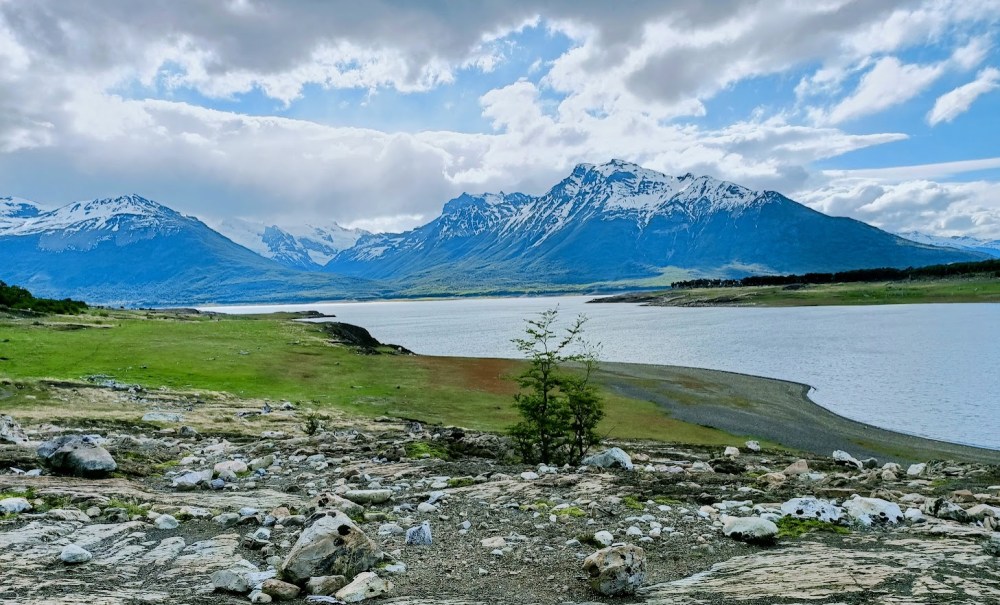
Two activities: hospitality and livestock farming
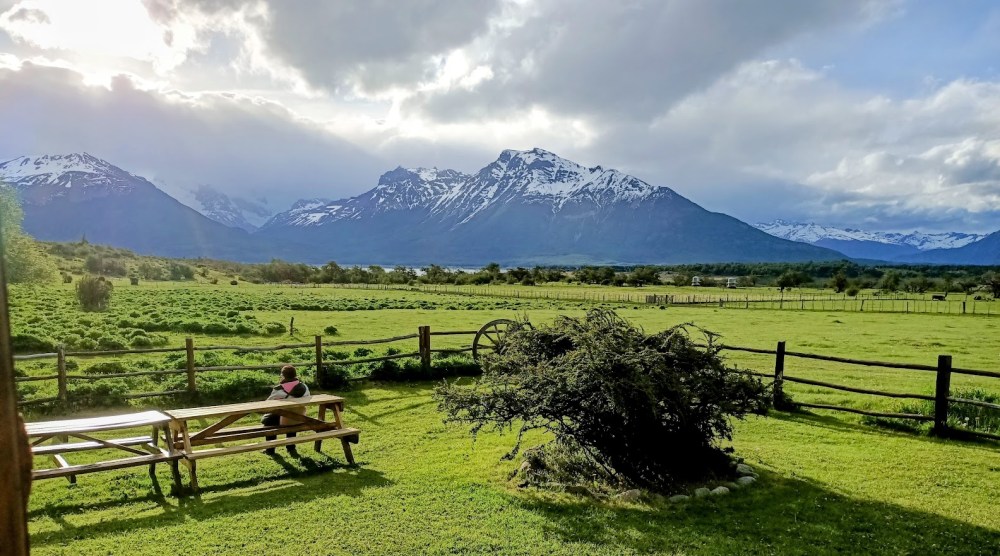
Estancia Nibepo Aike lies at the edge of the southern arm of Lago Argentino, bordering Chile and framed by the Andes mountain range. It takes a good fifty kilometers from El Calafate along Route No. 15 (a dirt track), nicknamed El Camino de las Estancias. And Estancia Nibepo Aike is precisely the destination of the visit. A historic ranch covering over 12,000 hectares founded in 1937 by a Croatian immigrant, Santiago Peso. The name Nibepo combines the nicknames of his three children with aike, a Tehuelche word meaning “place” or “house”. Activity here revolves around cattle, sheep, and horses. Nibepo Aike is also a place of hospitality. It offers lunch and dinner to its guests, as well as accommodation and horseback rides ranging from 1 to 4 days, with a night spent in the estancia’s old stables.
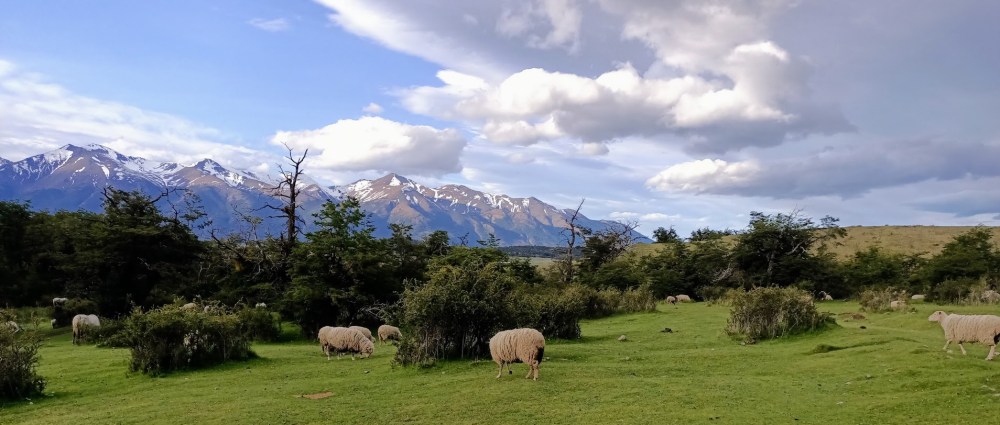
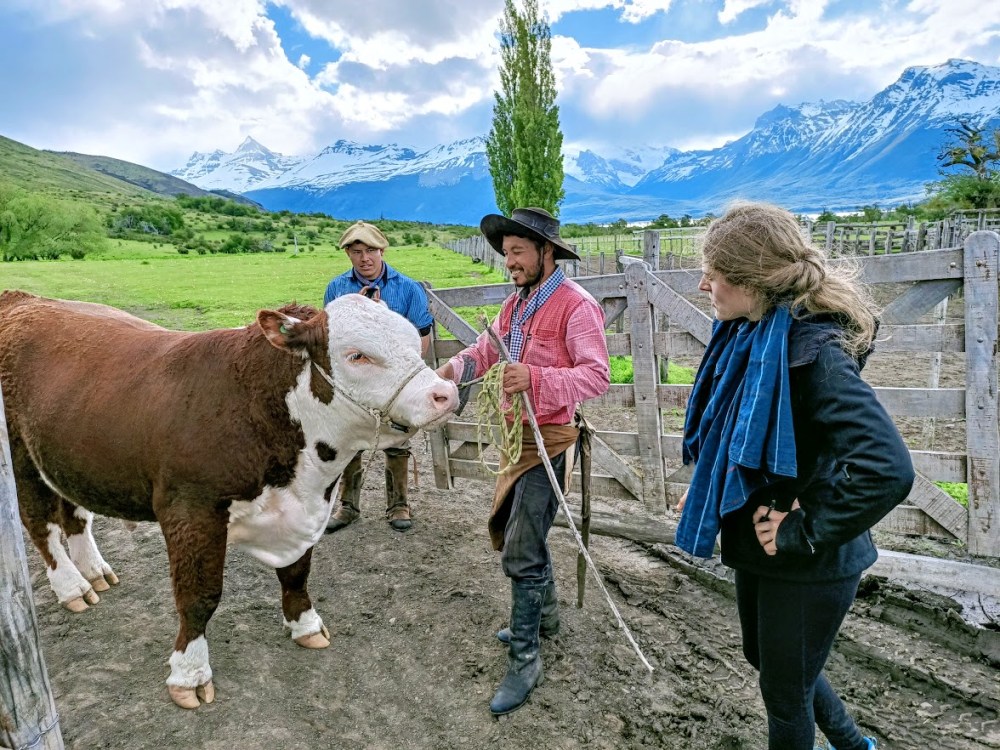
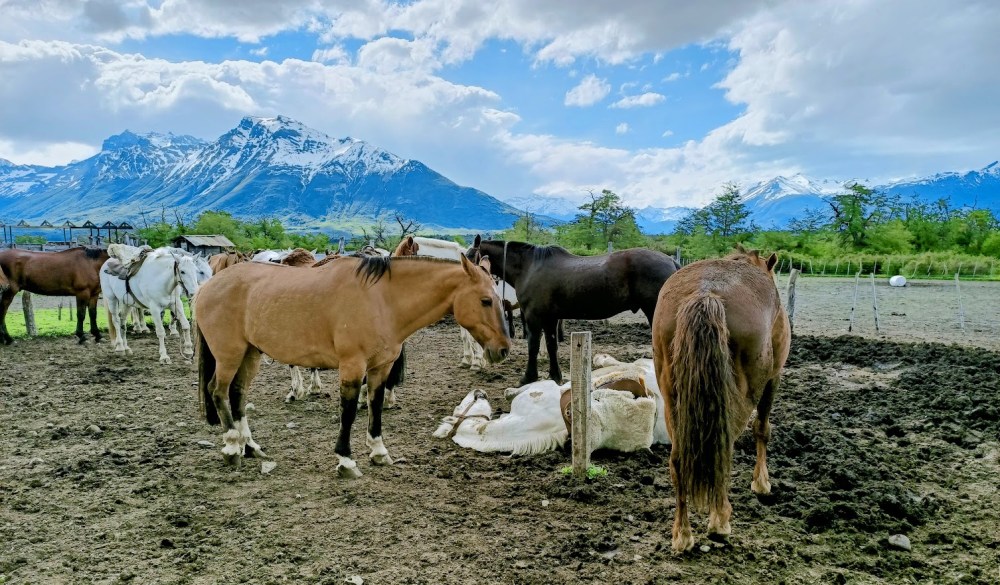
Typically Patagonian cuisine
What awaits you at Estancia Nibepo Aike is rural accommodation (10 rooms), all boasting a splendid panoramic view of the mountains (located 69 km from the Perito Moreno glacier). As for the food, it is typically Patagonian, featuring “asado de cordero” (Patagonian spit-roasted lamb) or a choice cut of beef paired with a wonderful selection of wines, all produced in Patagonia.
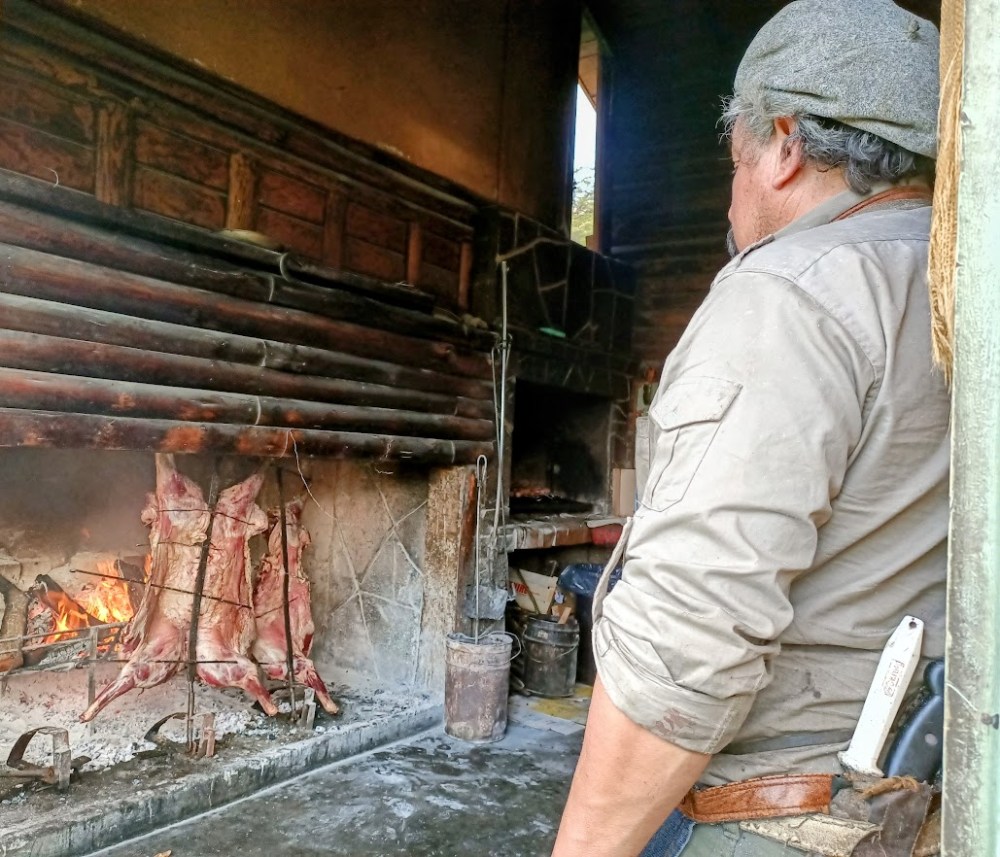
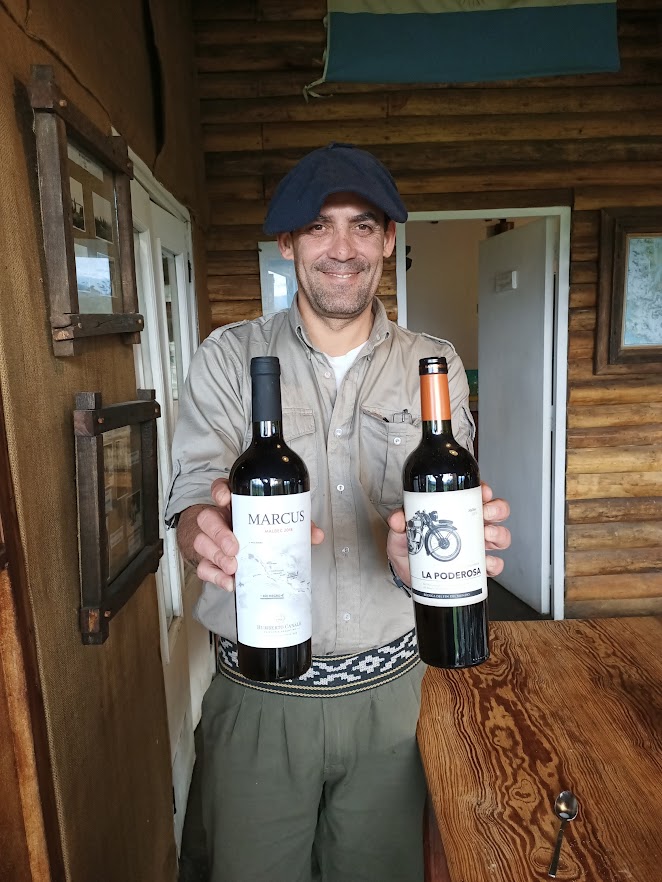
The gaucho sommelier of Estancia Nibepo Aike
A gaucho sommelier who highlights only wines produced in Patagonia, particularly wines from La Bodega del Fin del Mundo, founded by Julio Viola. Work began in the 1990s in San Patricio del Chañar, Neuquén province—a desert region requiring complex development for irrigation. The first vines were planted in 1999 and the first wine was produced in 2002.
On the road to Perito Moreno
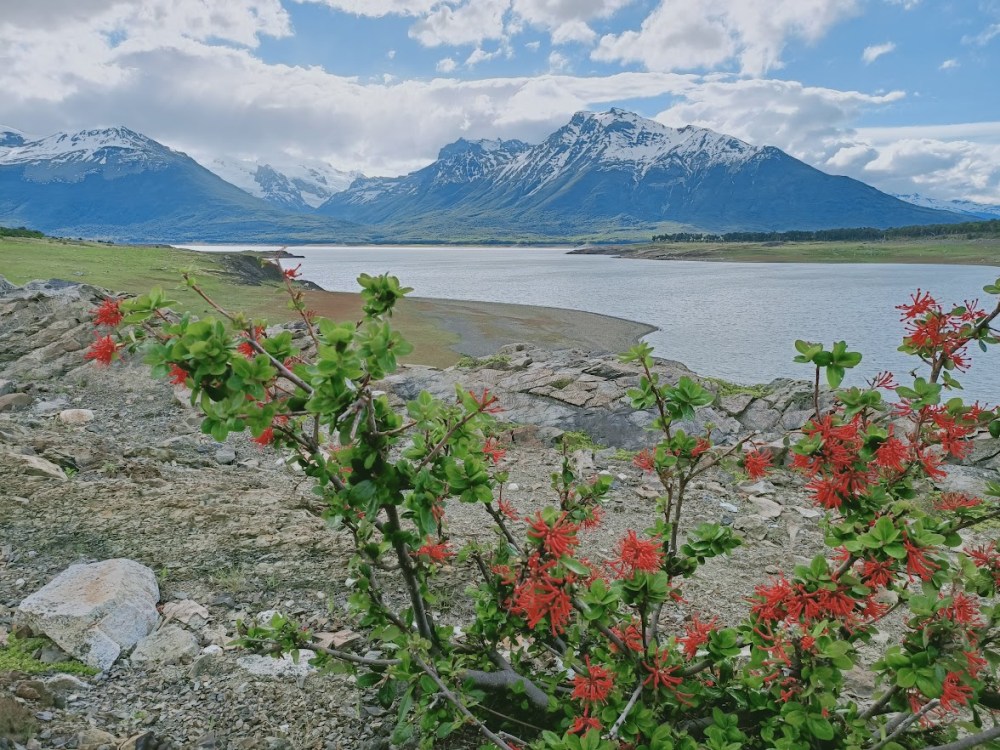
Perito Moreno is located in Los Glaciares National Park (600,000 hectares) and is part of the 48 glaciers of the Southern Patagonian Ice Field. This ice field belongs to the immense Andes mountain range and constitutes the 3rd largest ice sheet in the world after Antarctica and Greenland. It is a region on the borders of Chile and Argentina, dominated by jagged granite peaks at an altitude above 3,000 m above sea level. By car from El Calafate, Perito Moreno is only 80 km further west (a 1 h 30 min drive). Furthermore, the road offers beautiful views of Lago Argentino and the Patagonian steppe.
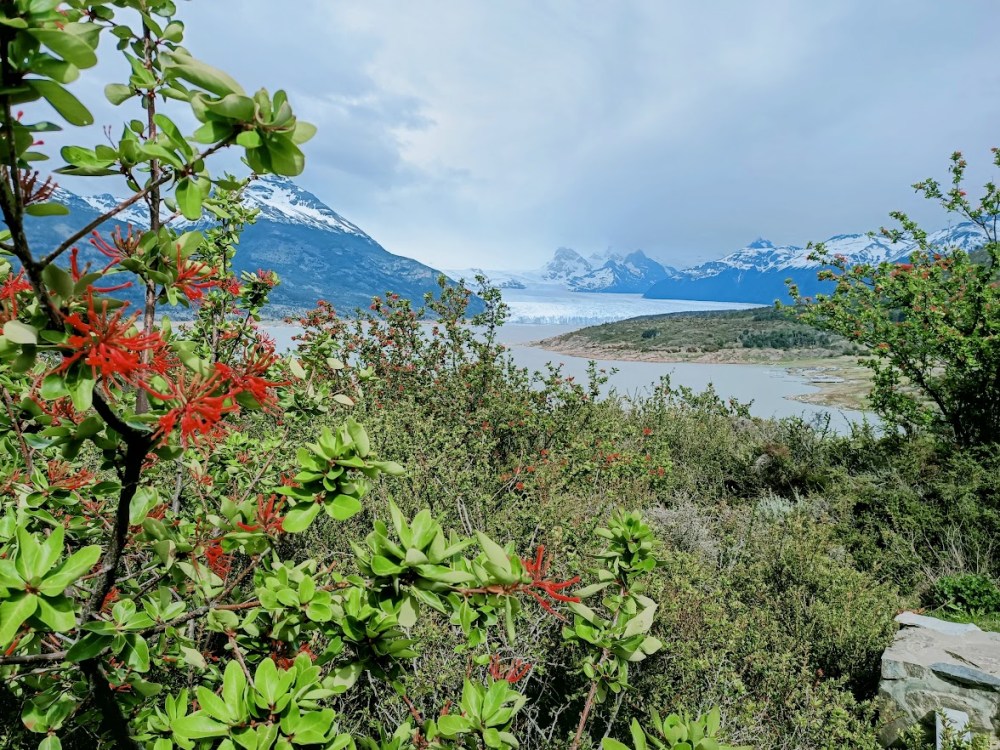
These 3 glaciers—Upsala, Onelli, and Perito Moreno—which “calve” into the icy, bluish, and milky waters of immense Lago Argentino
II / Perito Moreno is breathtaking!
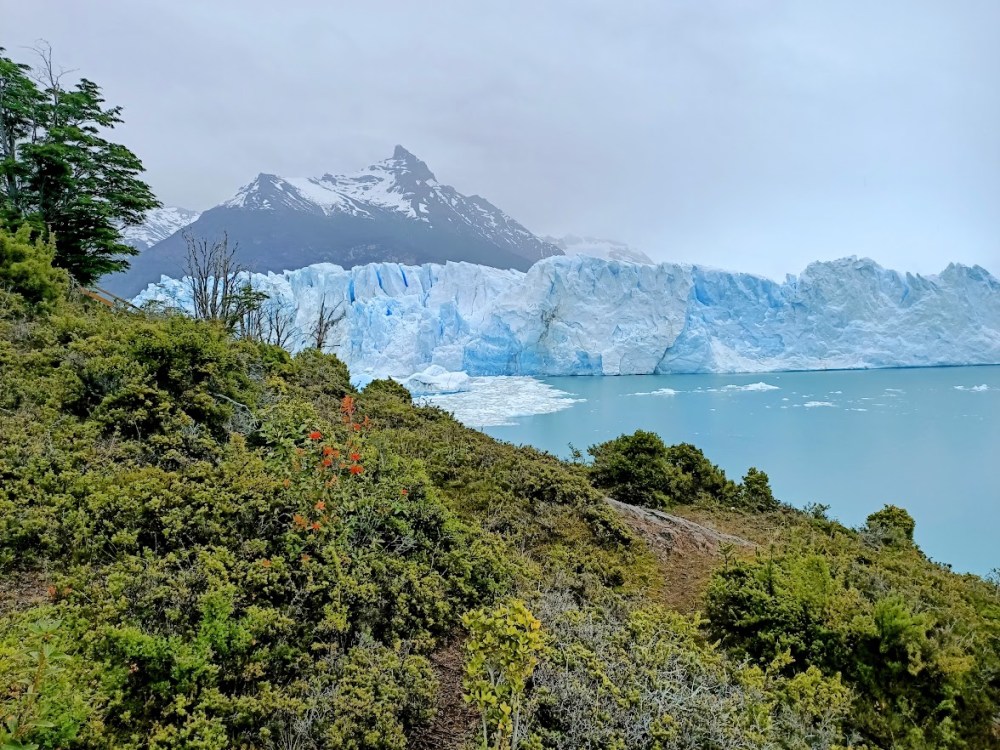
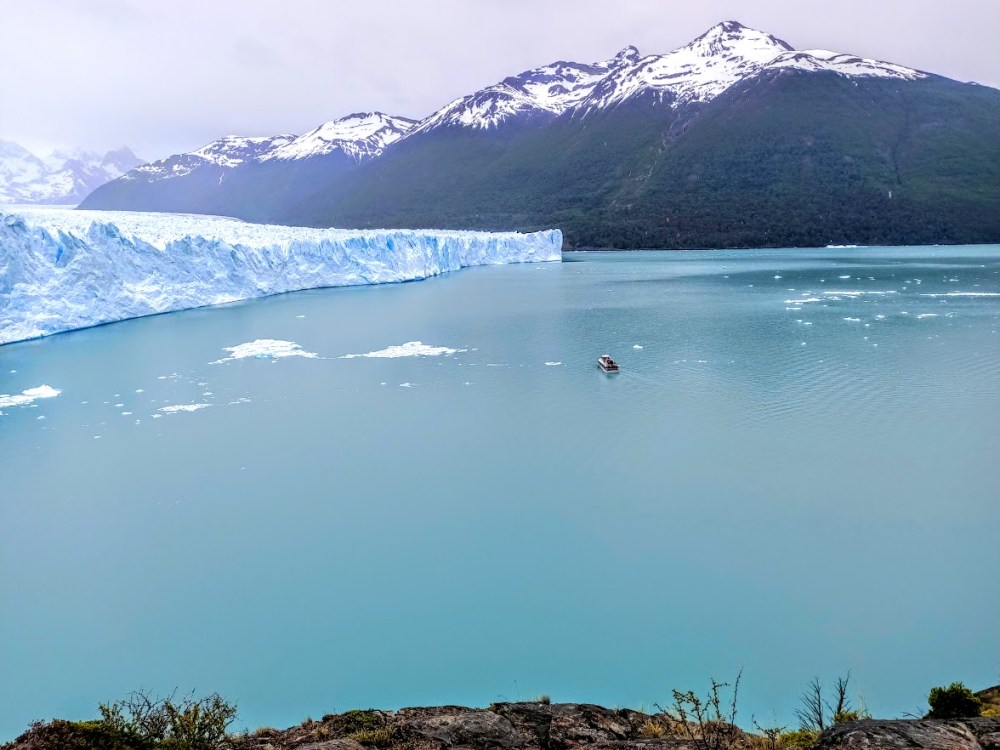
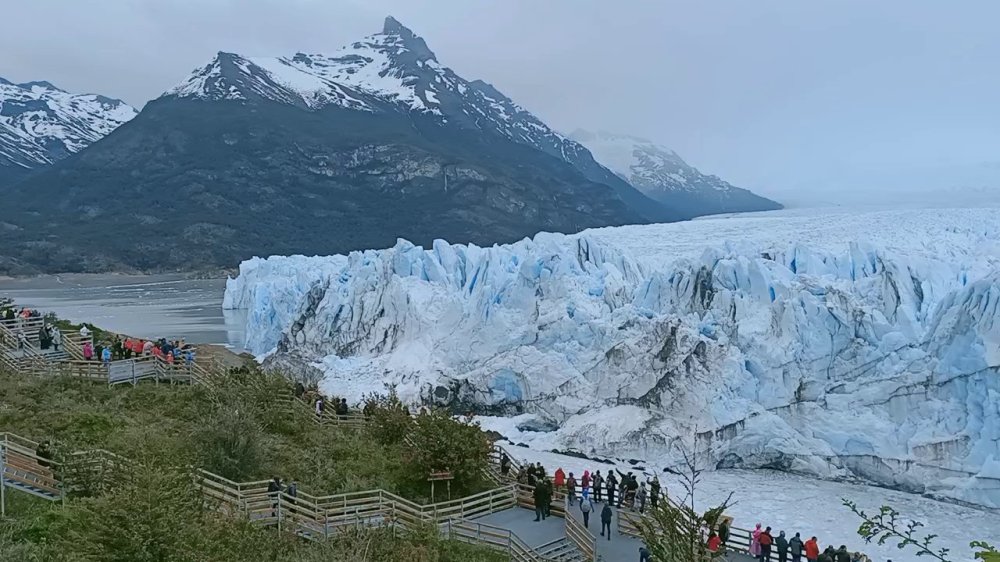
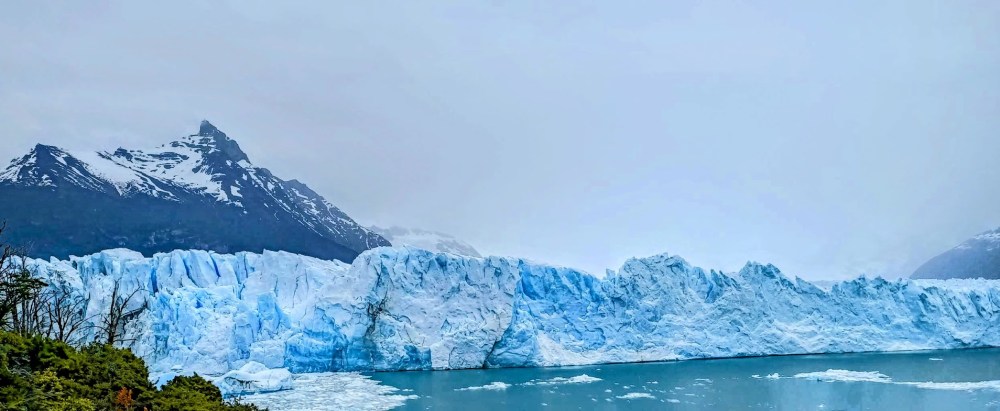
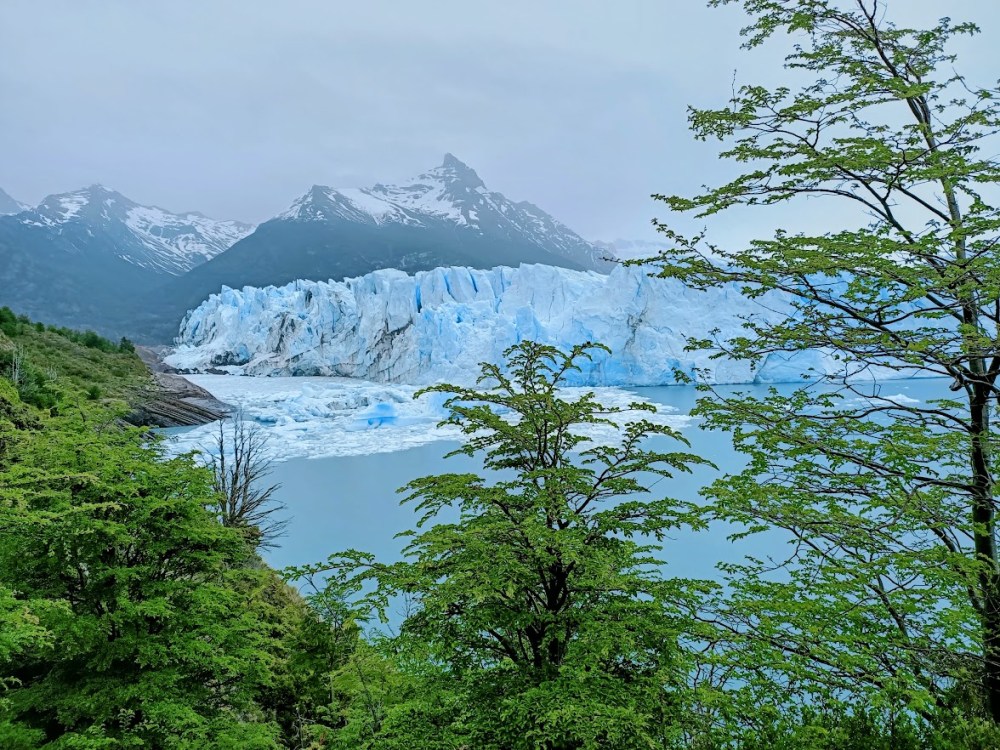
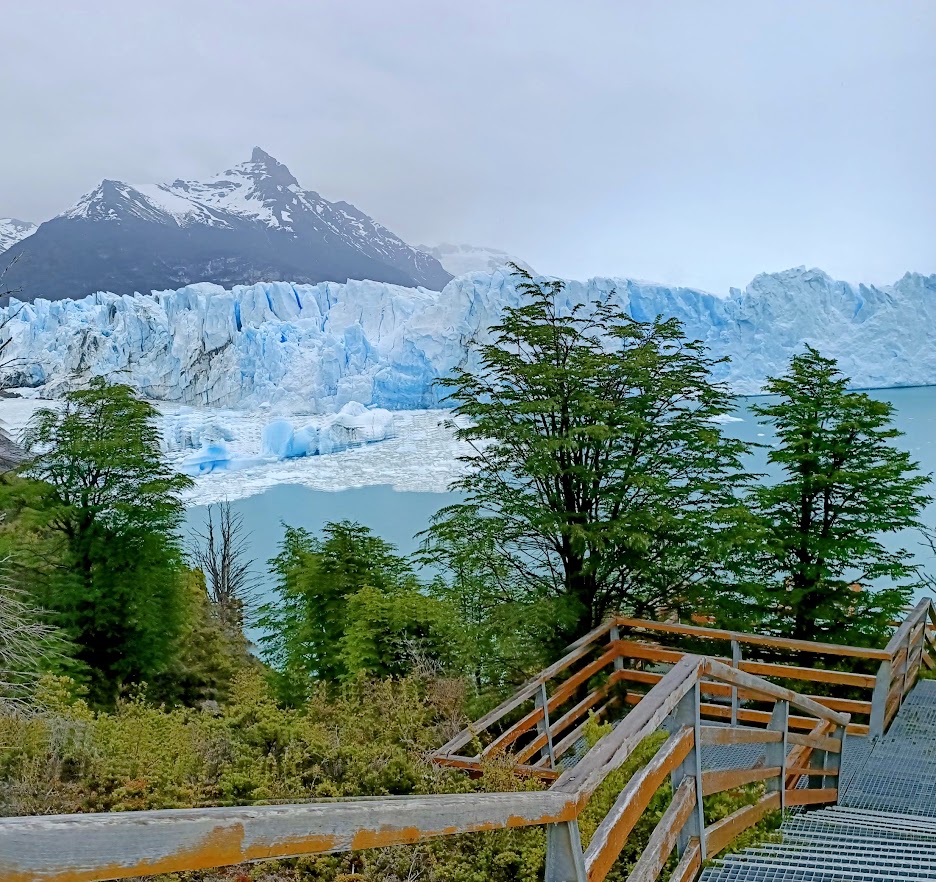
Standing in front of Perito Moreno, how to describe it? Words seem inadequate. Is it incredibly “breathtaking”? An enormous wall of ice, a vast front 60 m high that advances, deforms, and breaks; blocks detaching (calvings), icebergs with bluish reflections crashing into the waters of Lake Argentino with waves and a thunderous roar. When? Perito Moreno has its own clock. You have to wait. Allow yourself to be surprised—what a spectacle!
Impressive! XXL dimensions: 15 km long, 170 m in total height, of which only 60 m is visible above water. Perito Moreno stretches over more than 4 km in width. Other particularities include wooded surroundings, and it is undoubtedly the only glacier visible from so close and at such a low altitude (500 m at its tip plunging into the water of Lago Argentino). Video of Perito Moreno (© François Collombet).
Perito Moreno, a glacier in motion!
To think that you have before you the most iconic glacier in Argentina and probably the most famous in the world! Moreover, it is in constant motion, advancing by about 2 meters per day. Unlike other Patagonian glaciers, Perito Moreno remained largely spared from glacial retreat throughout the 20th century. But since 2018, it has been retreating at an accelerated pace, following the same pattern as neighboring glaciers. So there you have it!
*According to a study published in 2025 in Nature, based on aerial and bathymetric data
proving its retreat.
III / Ruta 40 Patagonia, from Bolivia to Ushuaia: a legendary route
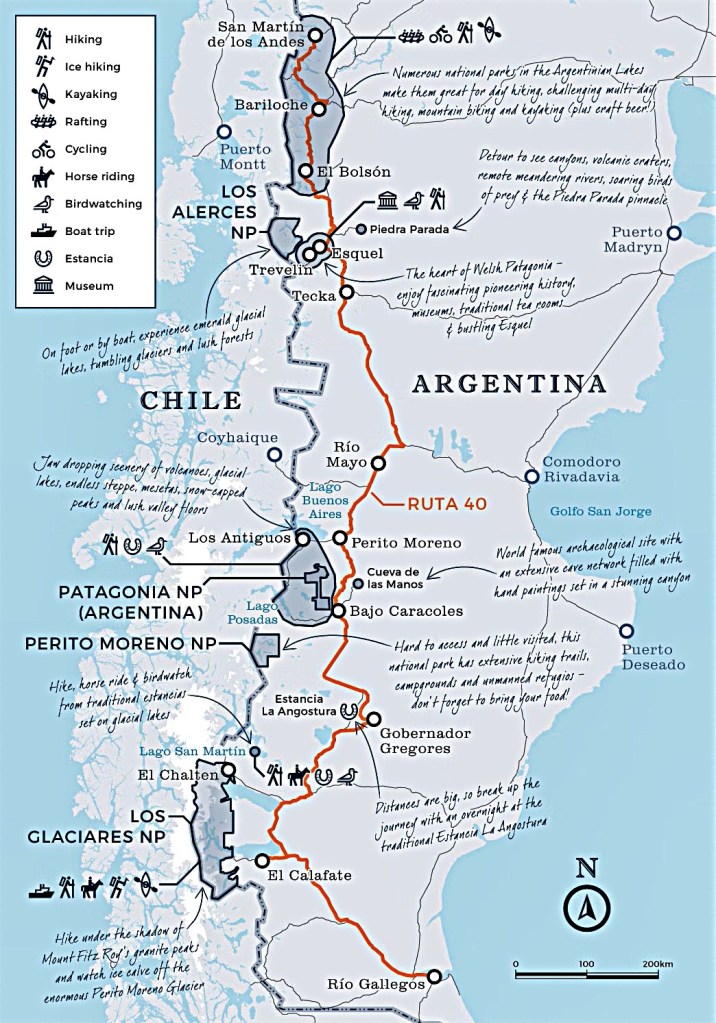
The legendary Patagonia Ruta 40 is the longest and most famous road in Argentina. It crosses Argentina from north to south. Starting in La Quiaca at the Bolivian border, it reaches Ushuaia after 5,121 km. At El Calafate, it enters Los Glaciares National Park from the south (recognized as a UNESCO World Heritage site since 1981), home to Perito Moreno, one of Argentina’s most impressive natural sites.
Section of National Route 40 (or Ruta 40) from Bariloche to El Calafate
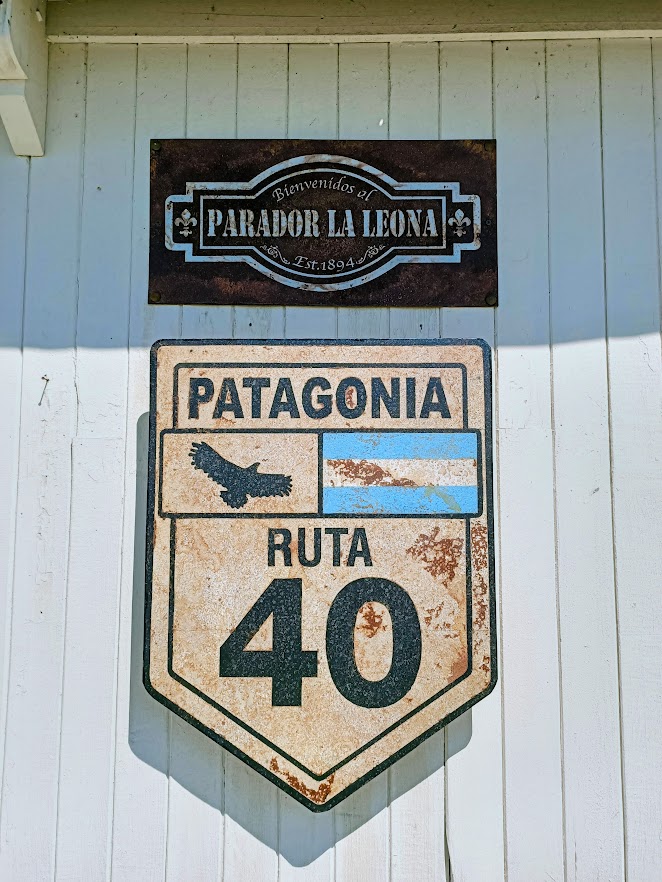
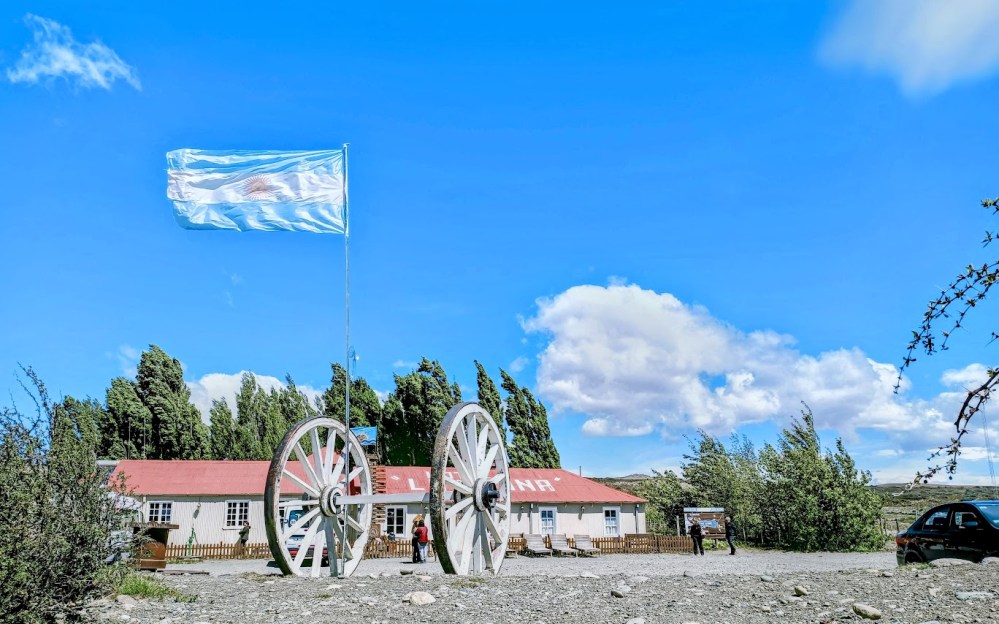
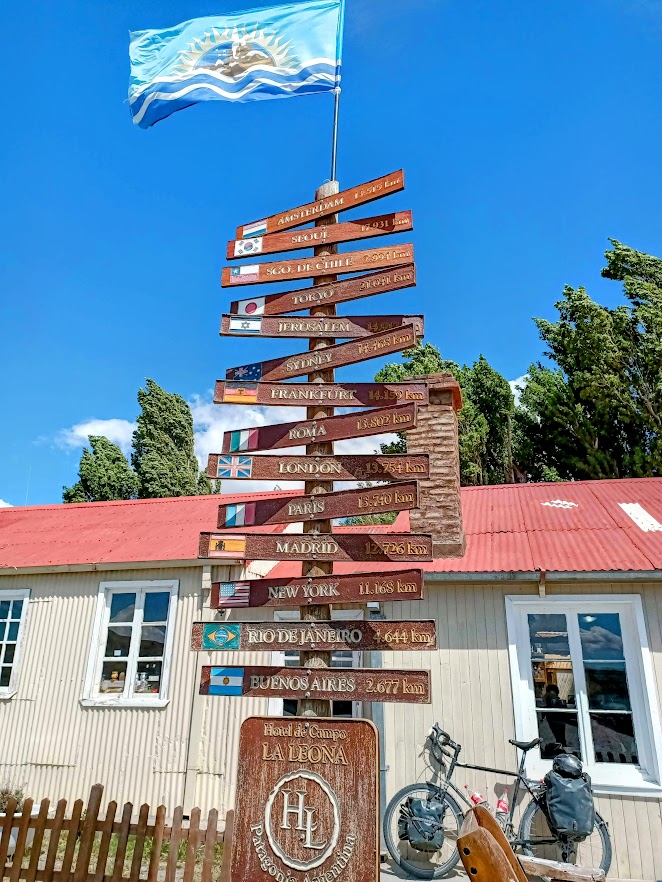
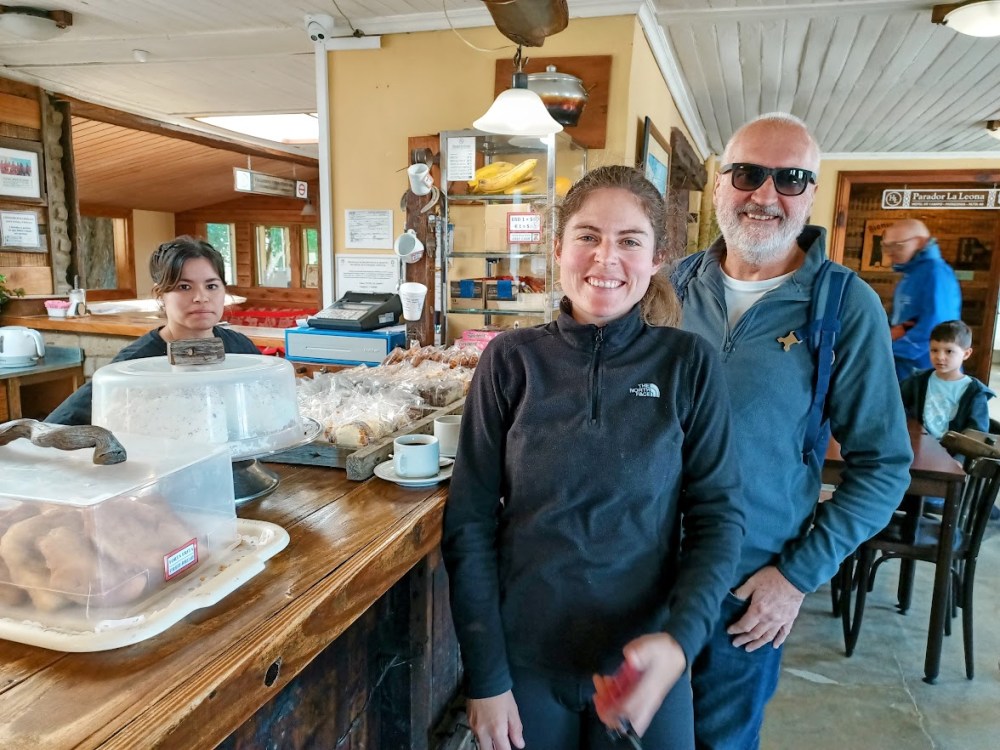
El Parador La Leona on Ruta 40: over a hundred years of history, a mandatory stop!
On Ruta 40, a stop at Parador La Leona between El Chaltén and El Calafate is mandatory. There, you step directly into the history of Patagonia. Parador La Leona can boast of being a historic site for nearly 150 years. It all began in 1894 when a family of Danish immigrants, the Jensens, settled there. But earlier in those same premises, while Francisco P. Moreno (after whom the famous glacier is named) had established his camp, he was attacked by a female puma. The attack was not fatal. At that time, it was said to be a lioness (leona). And so Moreno gave his name both to the La Leona River and later to the Parador.
*Francisco Pascacio Moreno (1852–1919) was born in Buenos Aires. He was a great humanist, scientist, geographer, hiker, adventurer, photographer, naturalist, writer, diplomat, statesman, educator, and philanthropist all at once. On February 15, Francisco Pascacio Moreno (1852-1919) was born in Buenos Aires. He was a great humanist—a scientist, geographer, walker, adventurer, photographer, naturalist, writer, diplomat, statesman, educator, and philanthropist all at once. On February 15, 1877, he discovered and named Lago Argentino. He also explored numerous rivers in Patagonia. On March 2, he discovered and named Mount Fitz Roy, which indigenous peoples still call “Chalten.” His knowledge of the terrain was decisive in defending Argentine rights to resolve the very long and complex territorial dispute with Chile. In his honor, the “Perito Moreno” glacier was named after him in 1899 (Perito meaning “expert” in Spanish).
Celebrities and Dramas at La Leona
The list is long. Let us start with Butch Cassidy and the Sundance Kid. They stayed there for more than a month after robbing the Bank of London in Río Gallegos before continuing their journey toward Chile and Bolivia. In the same vein, there was Ascencio Brunel, a cattle rustler who became famous and almost a legend for escaping from prison twice thanks to his master horse riding skills. He was the most wanted criminal in the south of the country. He had the reputation of being a werewolf, and his exploits are still recounted in Patagonia.
La Leona, Detention and Execution Center
In late 1921, a massive strike broke out in southern Argentina. Driven by anarchists, this strike mainly involved rural workers. The entire territory of Santa Cruz was paralyzed. The reaction of the (democratically elected) government was ruthless. An army expeditionary force was sent to suppress the movement. More than a crackdown, it was a massacre; between 1,000 and 1,500 workers were executed by firing squad. The La Leona inn served as a detention center. Near the La Leona River, behind the Parador, many of these workers who were asking for better working conditions were shot by the army.
Those Who Conquered the Roofs of Patagonia
All the greatest adventurers and explorers who marked the history of Patagonia passed through Parador La Leona. Among the most famous were Lionel Terray, Guido Magnone, Lieutenant Francisco Ibáñez, and Louis Depasse, who were the first mountaineers to reach the summit of Mount Fitz Roy. Jacques Poincenot, who was also part of the expedition, died during the ascent (one of Mount Fitz Roy’s needles bears his name). Another great name is Casimiro Ferrari, one of the greatest figures in the history of climbing. He managed to reach the summit of Cerro Torre in 1974 (one of the most difficult to climb in the world).
And Why Not Us!
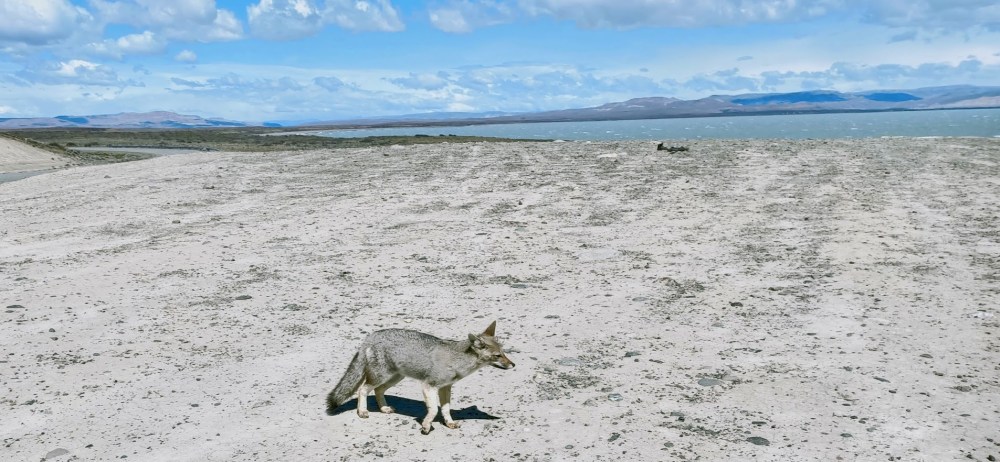
Solitary and Begging, the Patagonian Gray Fox
IV/ El Chaltén at the Foot of the Mythical Mount Fitz Roy: Rain, Wind, Floods, but What a Spectacle!
Mermoz, Guillaumet, Poincenot*, and also Saint-Exupéry inscribed their names on the summits and needles of Fitz Roy
220 km and about 3 hours to reach El Chaltén from El Calafate (hardly encountering any vehicles). Midway, a stop at Parador La Leona, and then, what a transition! You pass from the glacial landscape of Lago Argentino to the steep, granitic peaks of the Fitz Roy range, with a magnificent view of the mountain and its neighboring summits (Cerro Torre, Poincenot*).
*The 1952 French expedition to Patagonia made the first ascent of Fitz Roy (3,405 m). It was marked by the accidental death of mountaineer Jacques Poincenot during the crossing of the Fitz Roy River.
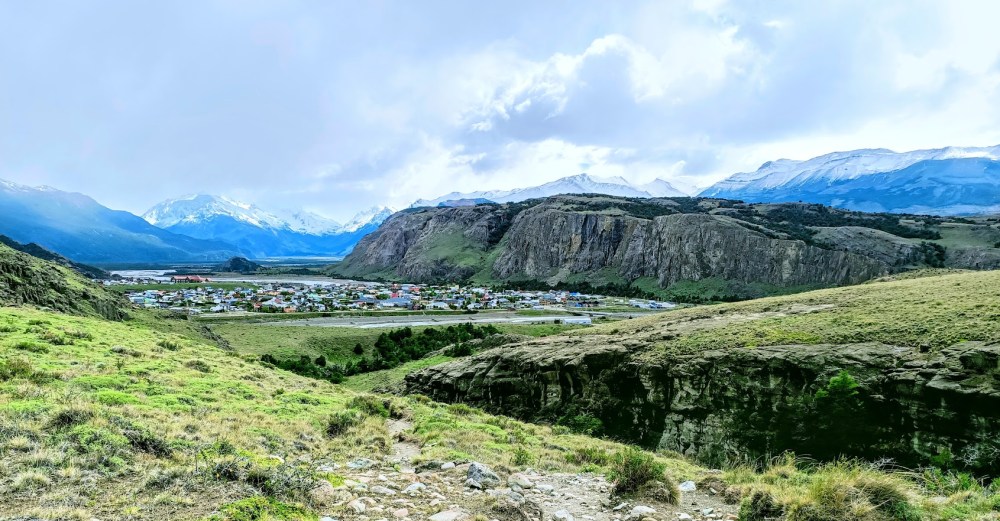
El Chaltén, Argentine Capital of Trekking, at the Foot of the Mythical Mount Fitz Roy (3,405 m)
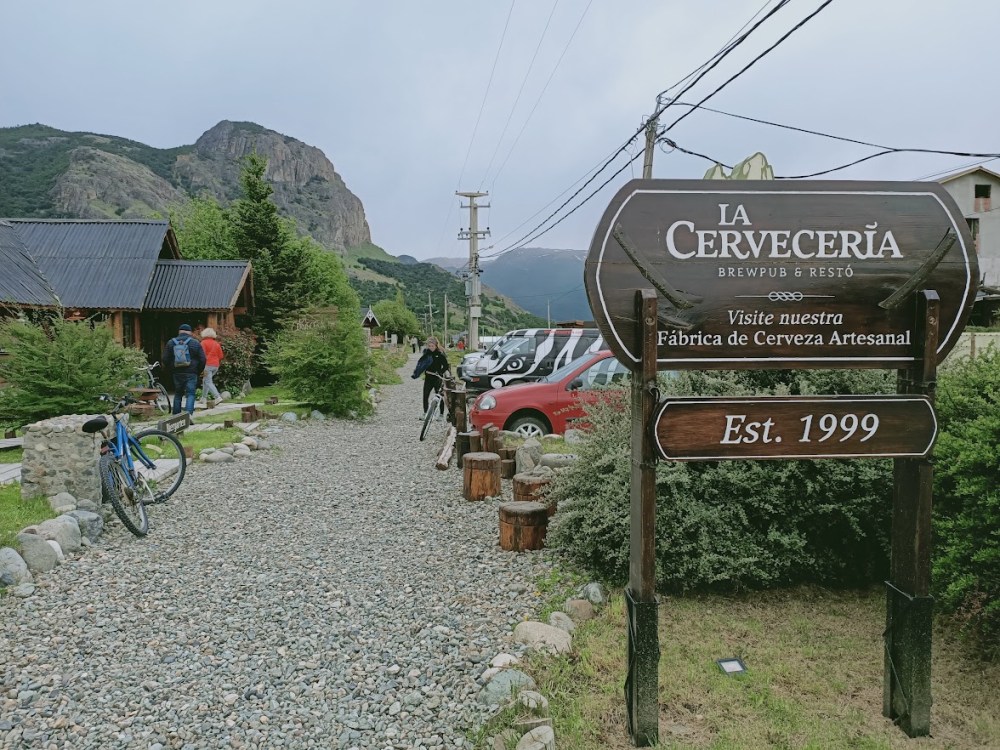
Founded for Geopolitical Reasons
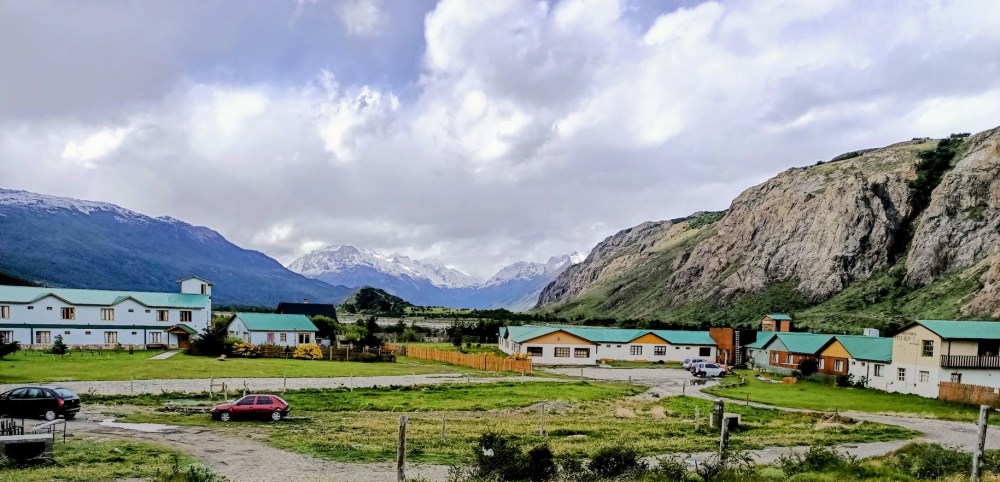
El Chaltén was founded in 1985 for geopolitical reasons. Argentina wanted to establish its presence near the Chilean border. Since then, the village has become the trekking capital of the country. It lies beneath Mount Fitz Roy and Cerro Torre, two of the most dangerous peaks in the Andes. Hikes begin directly at the edge of the village, and mountain routes are world-renowned.
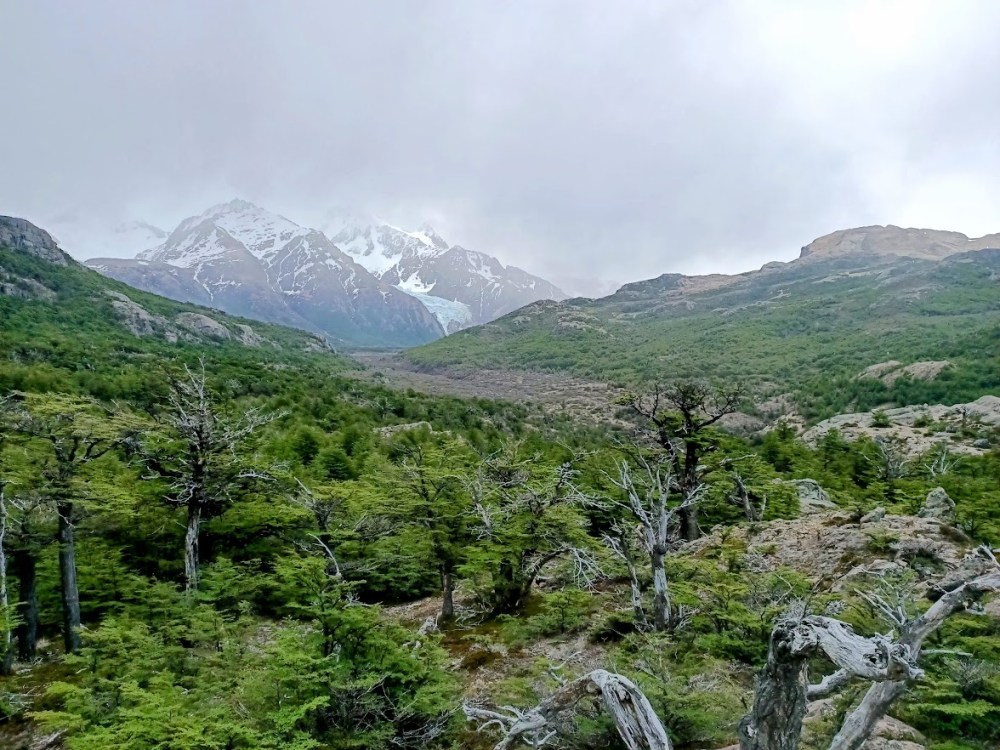
Mirador del Fitz Roy, Memory of the Aéropostale and Saint-Exupéry
From this viewpoint, a 2-hour walk from El Chaltén (without any particular difficulties), you get an incredible view of the Fitz Roy massif in its entirety. Its other name, Cerro Chaltén, comes from the Tehuelche people; it means blue or bluish. This massif, whose peaks can be seen shrouded in mist, is composed of the Guillaumet, Mermoz, and Val Biois needles, Mount Fitz Roy, and the Poincenot, Rafael Juárez, and Saint-Exupéry needles.
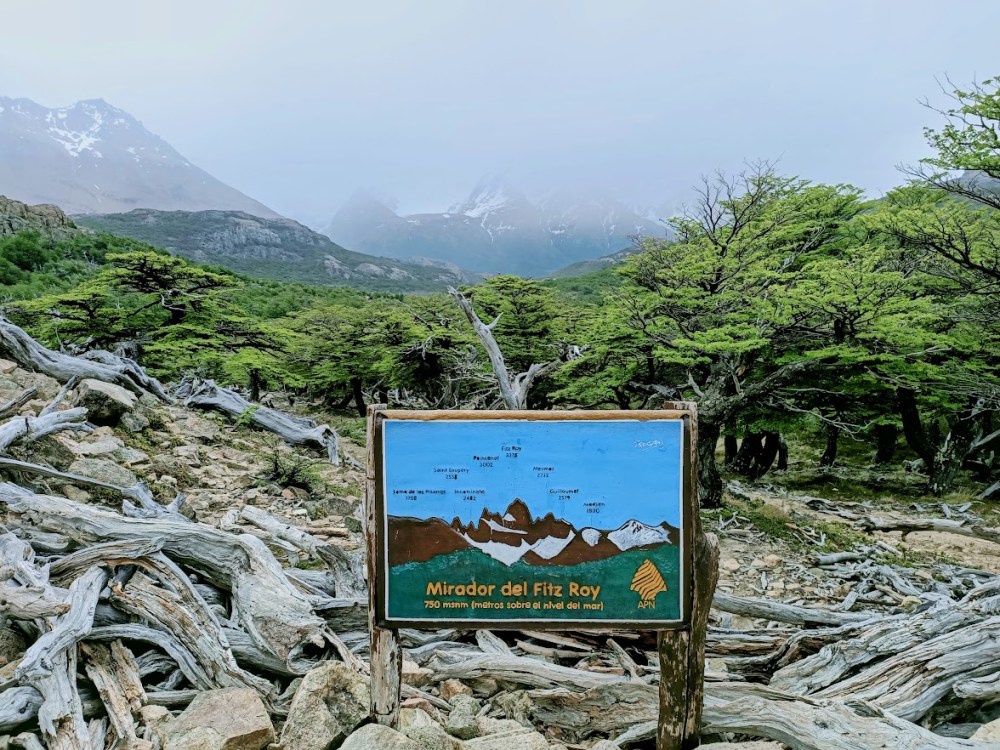
The Memory of the Aéropostale is Inscribed in This Mountain
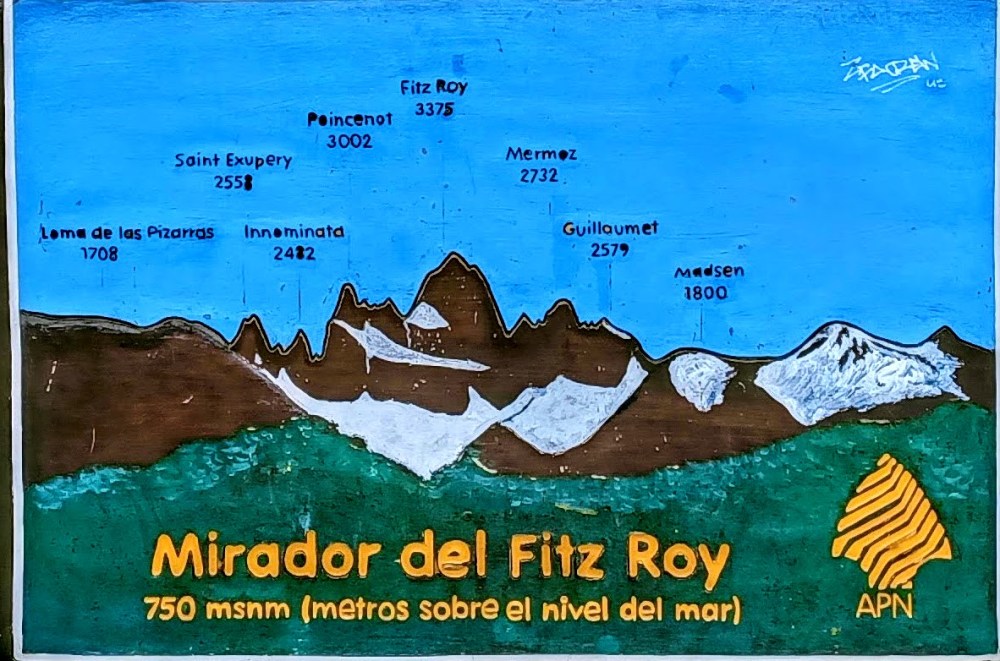
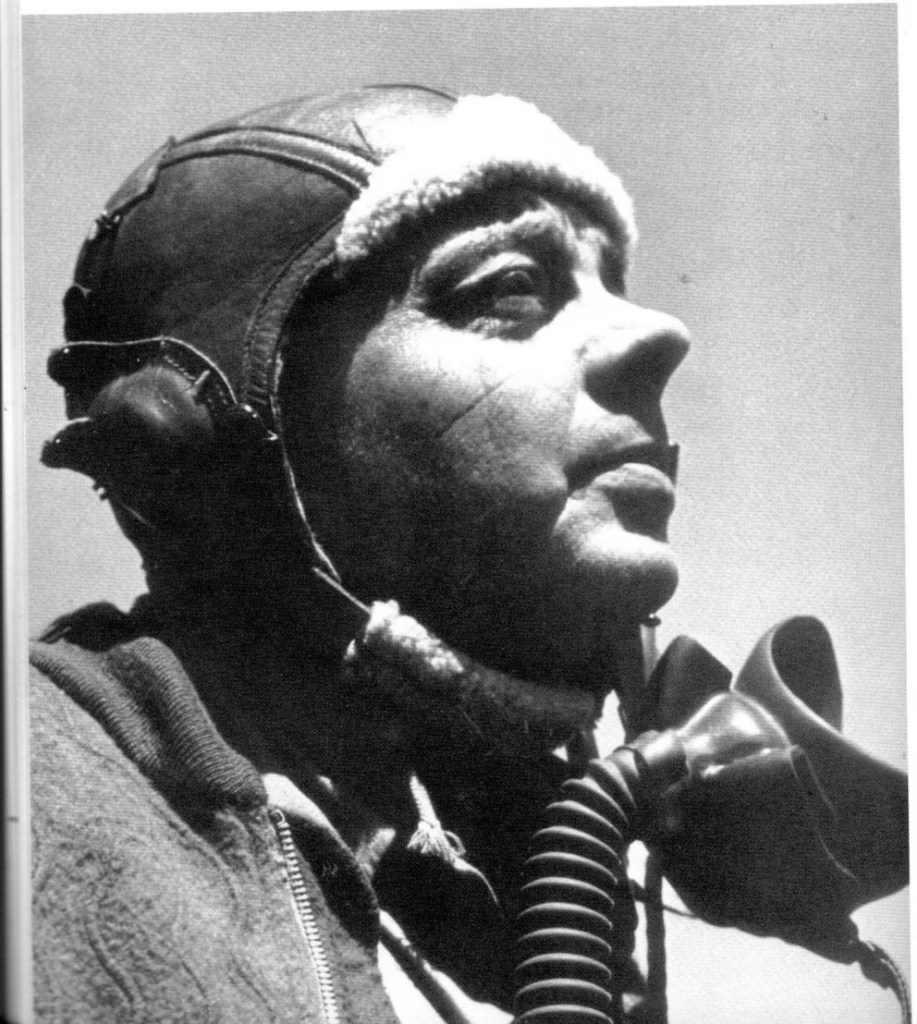
Antoine de Saint-Exupéry in Patagonia
In Patagonia, Antoine de Saint-Exupéry is a legend. How many streets, squares, public buildings, and monuments bear his name? And as for these mountains around us, the author of The Little Prince flew over them extensively. He arrived in Argentina in 1929 as a pilot for the Compagnie générale Aéropostale, the first Argentine airline company. He joined Mermoz and Guillaumet in Buenos Aires. Saint-Exupéry was tasked with developing air routes in Patagonia and carrying mail, the French company’s main activity. He was the one who made the first flights between Buenos Aires and Río Gallegos, capital of the Santa Cruz province in Patagonia—over 500 km from El Chaltén and the last city before Tierra del Fuego.
He Flew for up to 18 Hours Straight
He flew for up to 18 hours at a time, often at night, guided only by the stars. From these flights over Patagonia, one of his masterpieces was born: Night Flight, an international bestseller. “The earth,” he writes, “teaches us more about ourselves than all the books. Because it resists us.” The Andes did not spare the pilots. When he learned of the disappearance of his friend Henri Guillaumet during a storm over the Andes cordillera and saw that no one was willing to search for him, he went himself. Yet a local saying claimed that “the Andes in winter do not return men”!
A Desperate Expedition in Search of His Friend
A desperate journey through the air to find his friend. After a forced landing in the heart of the Andes cordillera, Guillaumet survived. He walked for 5 days through the snow at an altitude of 3,000 meters before being taken in by a shepherd (Juan García). When Saint-Exupéry came to retrieve him, Guillaumet confided to him: “What I have done, I swear to you, no beast would ever have done.” This account appears in Wind, Sand and Stars (Terre des hommes), published in 1939: “And when, once more, I slipped between the giant walls and pillars of the Andes, it seemed to me that I was no onger searching for you, but keeping watch over your body, in silence, in a cathedral of snow.”
In the Meanders of the Swollen Río de las Vueltas
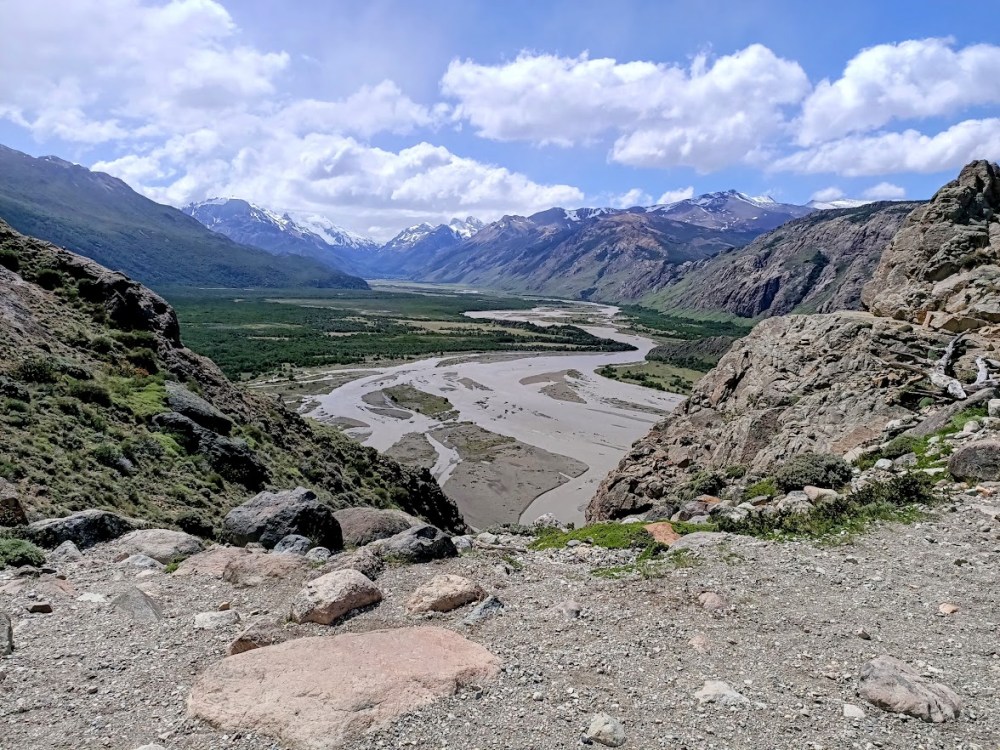
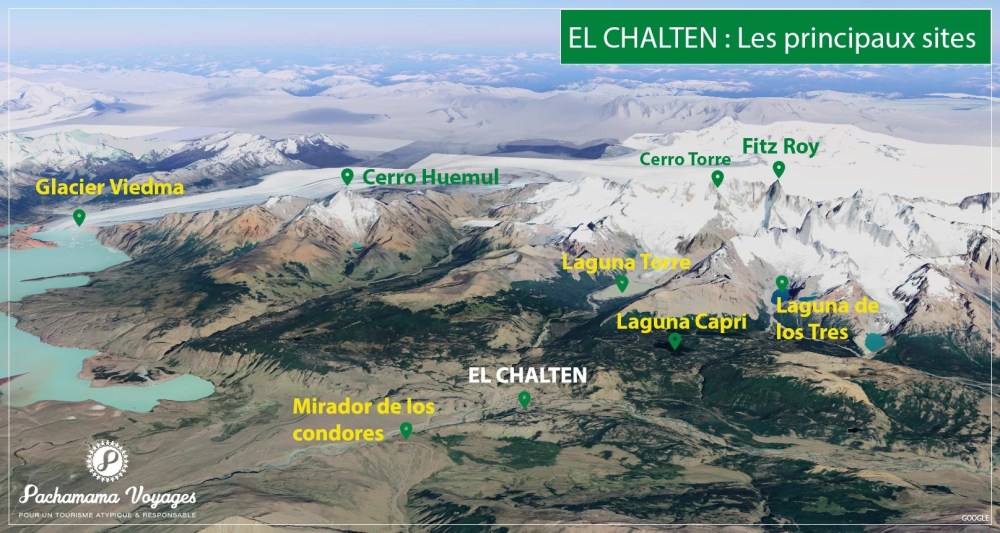
Mirador de los Cóndores and continue along the river.
On the Road (!) to Lago del Desierto
Toward the Chilean Border!
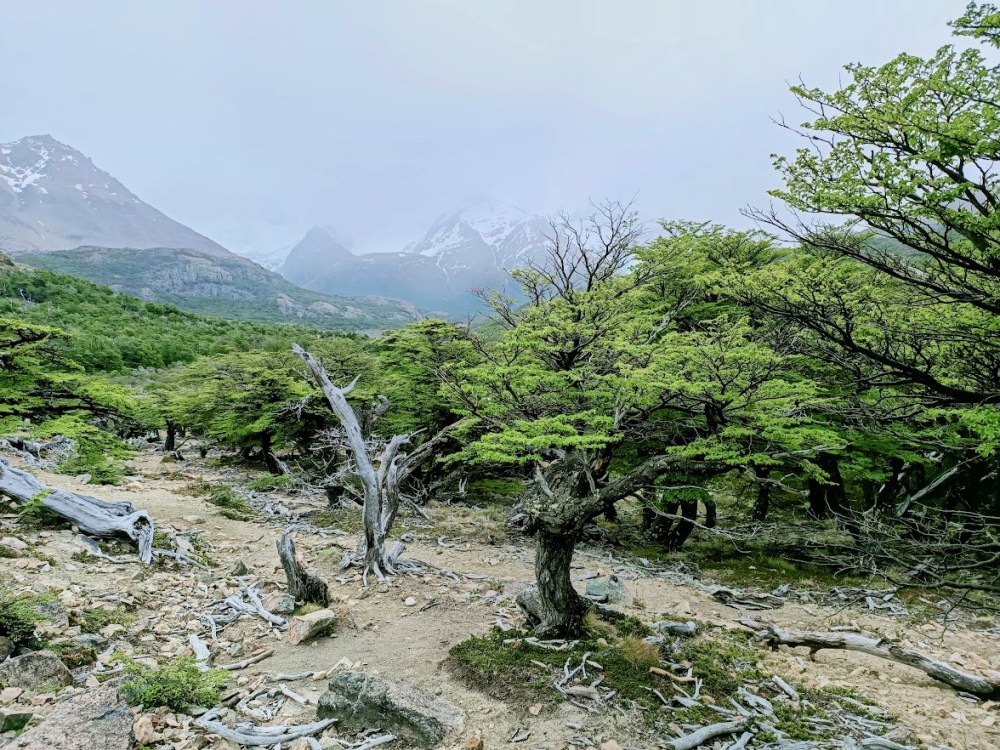
A huge disappointment! Not being able to reach Lago del Desierto, which is neither deserted nor arid. This 15 km long glacial lake, located 37 km from El Chaltén at the end of a dirt track following the Río de las Vueltas, is a “must-see.” Few venture there, preferring the famous trails leading to Laguna de los Tres and Laguna Torre. Yet this road, surrounded by a primary forest of lengas (small trees native to the forests of the Patagonian Andes in southern Chile and Argentina, translated as white beech), offers an incredible panorama of snow-capped peaks. You are right along the continental divide. The view of the Huemul and Vespignani glaciers from this lake is exceptional. The Río de las Vueltas originates here before flowing into Lake Viedma near El Chaltén. Here, you brush against the Chilean border (Última Esperanza Province). Who could believe that this place, so blessed by the gods, was at the center of a territorial dispute between Argentina and Chile? Only international arbitration settled the crisis in 1994.
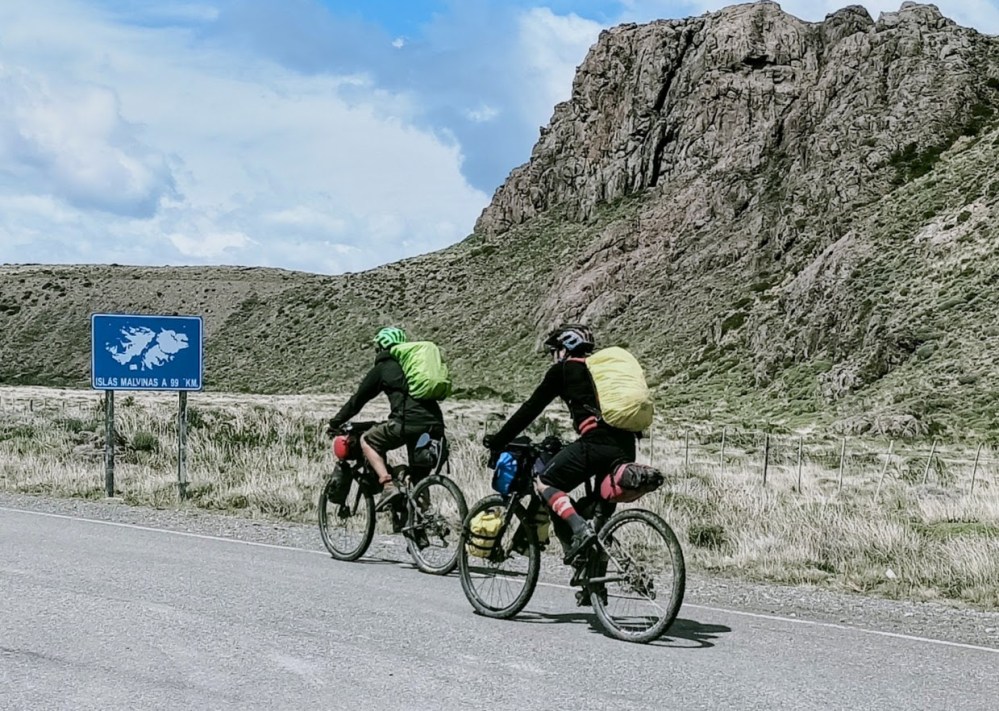
At the Exit of El Chaltén, a Nod to Current Events!
 amazed